Indian consumers have long relied on easy financing options when purchasing household appliances and electronics. However, a significant shift is underway in how these purchases are funded, with traditional banks gradually withdrawing from consumer durable loans and non-banking financial companies (NBFCs) stepping in to fill the void.
The Changing Landscape of Consumer Finance
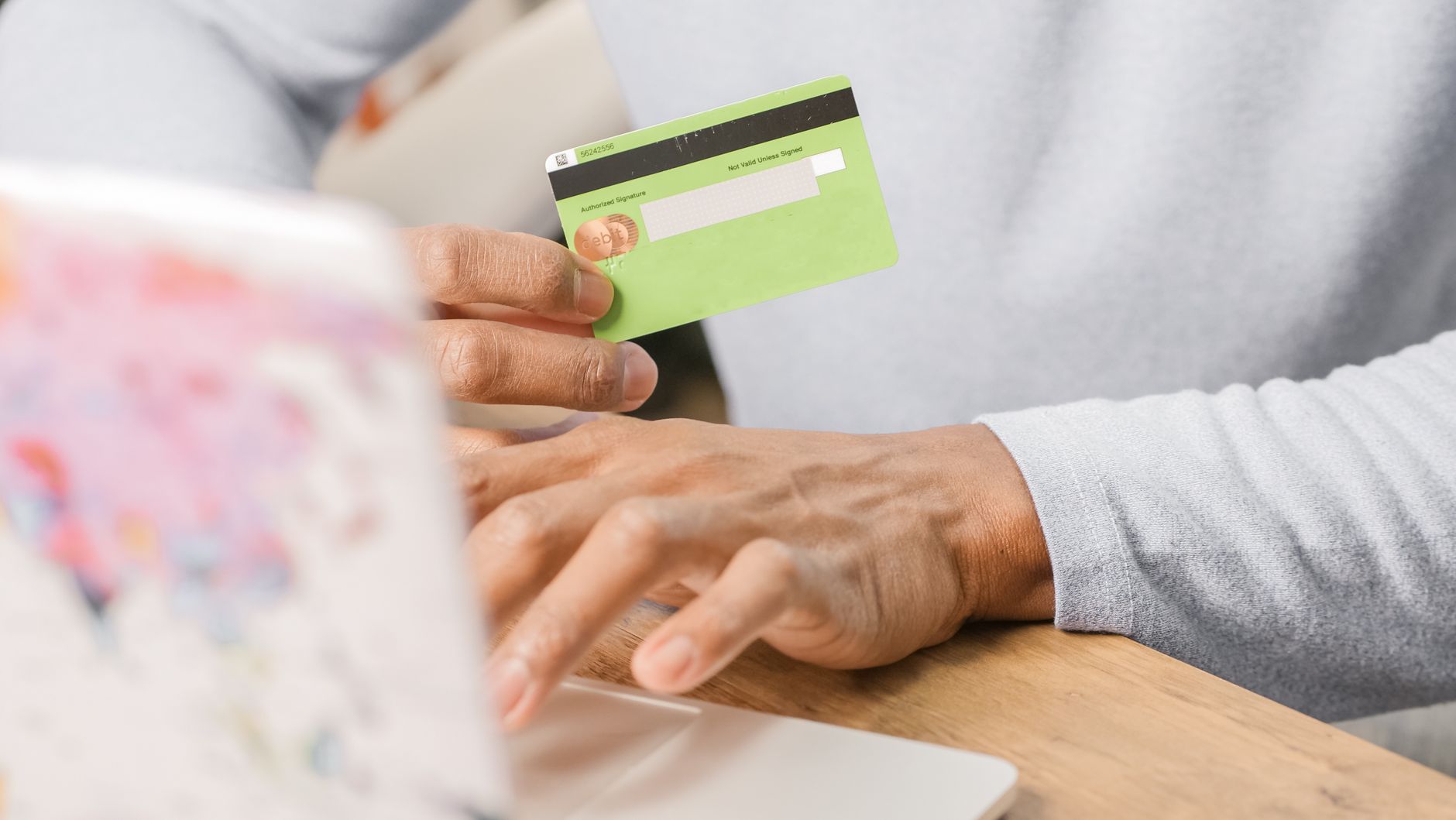
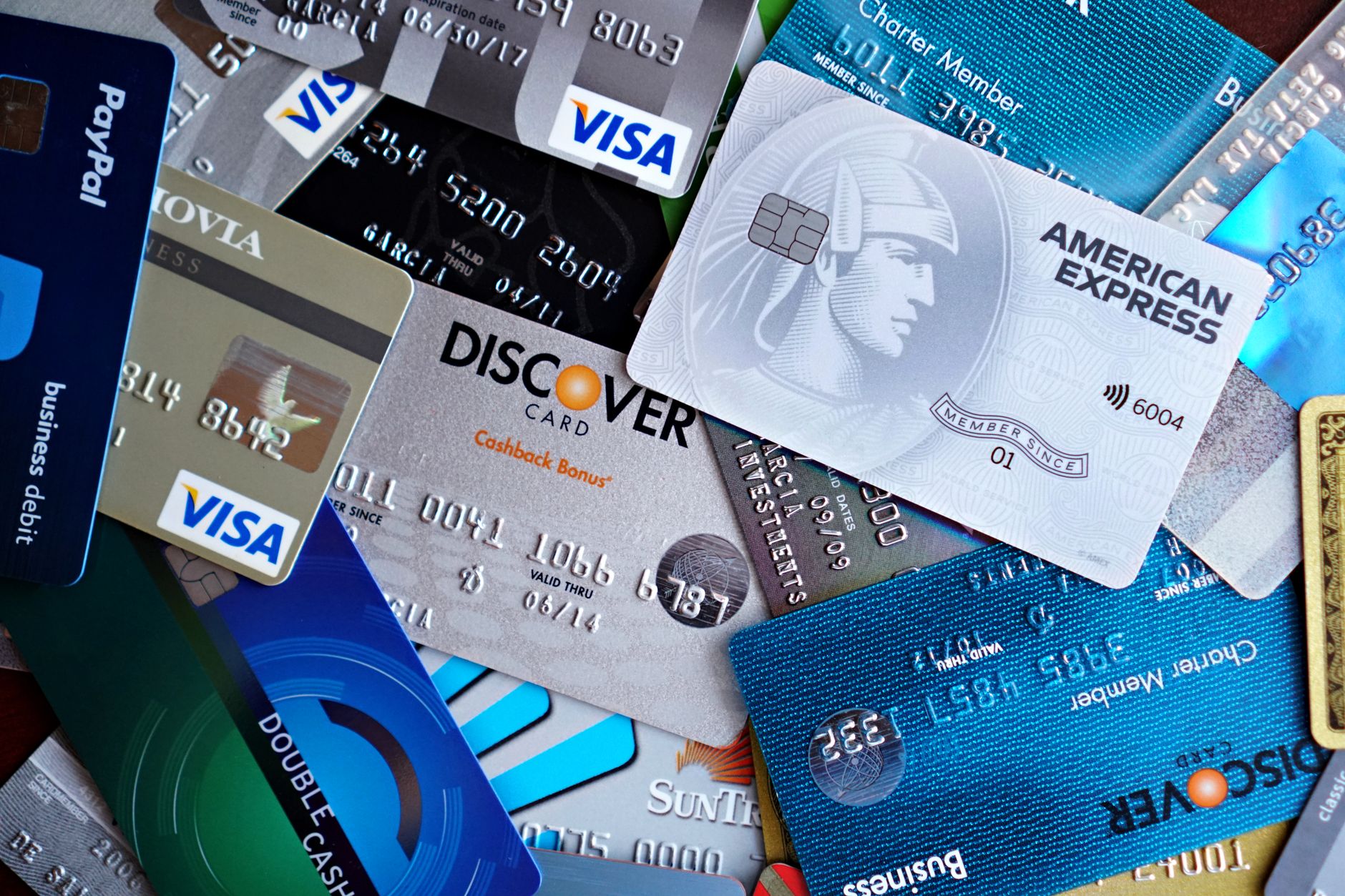
For decades, banks offered dedicated consumer durable loans for purchasing items like televisions, refrigerators, washing machines, and air conditioners. These loans typically ranged from Rs 10,000 to Rs 2 lakhs with tenures spanning 6 to 36 months. However, banks are now reconsidering their involvement in this segment, finding credit cards to be a more efficient vehicle for small-ticket financing.
The reasons behind this strategic shift are multifaceted. Processing individual loans for relatively small amounts involves significant operational costs including documentation, credit assessment, and loan servicing. Credit cards, by contrast, provide a pre-approved credit line that customers can use repeatedly without fresh paperwork for each purchase.
Why Banks Prefer Credit Cards
Credit cards offer banks several advantages over traditional consumer durable loans. First, they generate multiple revenue streams including interest on outstanding balances, annual fees, merchant discount rates, and cross-selling opportunities. Second, the customer acquisition cost is absorbed once, but the credit facility can be used indefinitely. Third, credit cards create stickier customer relationships with ongoing engagement rather than one-time transactions.
Additionally, credit card portfolios are easier to manage at scale through automated systems and credit scoring models. Banks can adjust credit limits dynamically based on customer behavior and repayment patterns, reducing risk while maximizing utilization.
The Rise of NBFCs in Durable Financing
As banks retreat, NBFCs have aggressively expanded their presence in consumer durable financing. These companies have built specialized capabilities in this niche, including:
- Partnerships with retail stores and e-commerce platforms for instant approvals at point of sale
- Simplified documentation requirements and faster processing times
- Flexible repayment options tailored to different customer segments
- Technology-driven underwriting that can assess creditworthiness quickly
- Dedicated sales teams positioned at electronic and appliance showrooms
NBFCs like Bajaj Finserv, HDB Financial Services, and Tata Capital have established extensive networks that enable consumers to walk into a store and walk out with a financed product within minutes. This convenience factor has made them the preferred choice for many retailers and consumers alike.
Impact on Consumer Choice and Costs
For consumers, this transition has mixed implications. On the positive side, NBFCs often provide faster approvals and more flexible terms. The competition among NBFCs has also led to attractive promotional offers like zero-interest EMI schemes, particularly during festive seasons.
However, consumers should be aware that interest rates charged by NBFCs can be higher than bank rates, particularly for borrowers with average credit profiles. While headline rates might appear attractive, processing fees and other charges can add to the overall cost. It's essential to read the fine print and compare total costs rather than just focusing on EMI amounts.
What This Means for Your Finances
If you're planning to finance a consumer durable purchase, consider these factors:
- Compare offers from both NBFCs and your credit card before deciding
- Calculate the total cost including all fees, not just the interest rate
- Check if your credit card offers zero-interest EMI options, which might be cheaper
- Ensure the EMI amount fits comfortably within your monthly budget
- Understand prepayment terms in case you want to close the loan early
- Verify the lender's reputation and complaint resolution mechanism
For those with good credit scores and existing relationships with banks, credit cards with promotional EMI offers may provide the most cost-effective solution. For others, NBFC financing remains a valuable option, especially when credit card limits are insufficient or unavailable.
The Road Ahead
This shift reflects the broader evolution of India's financial services landscape, where specialized players are emerging in specific niches while banks focus on their core strengths. As digital lending platforms and fintech companies continue to innovate, consumers can expect even more choices in how they finance their purchases.
This article is for general informational purposes only and should not be considered financial advice. Please consult with a qualified financial advisor to understand which financing option best suits your individual circumstances and creditworthiness.