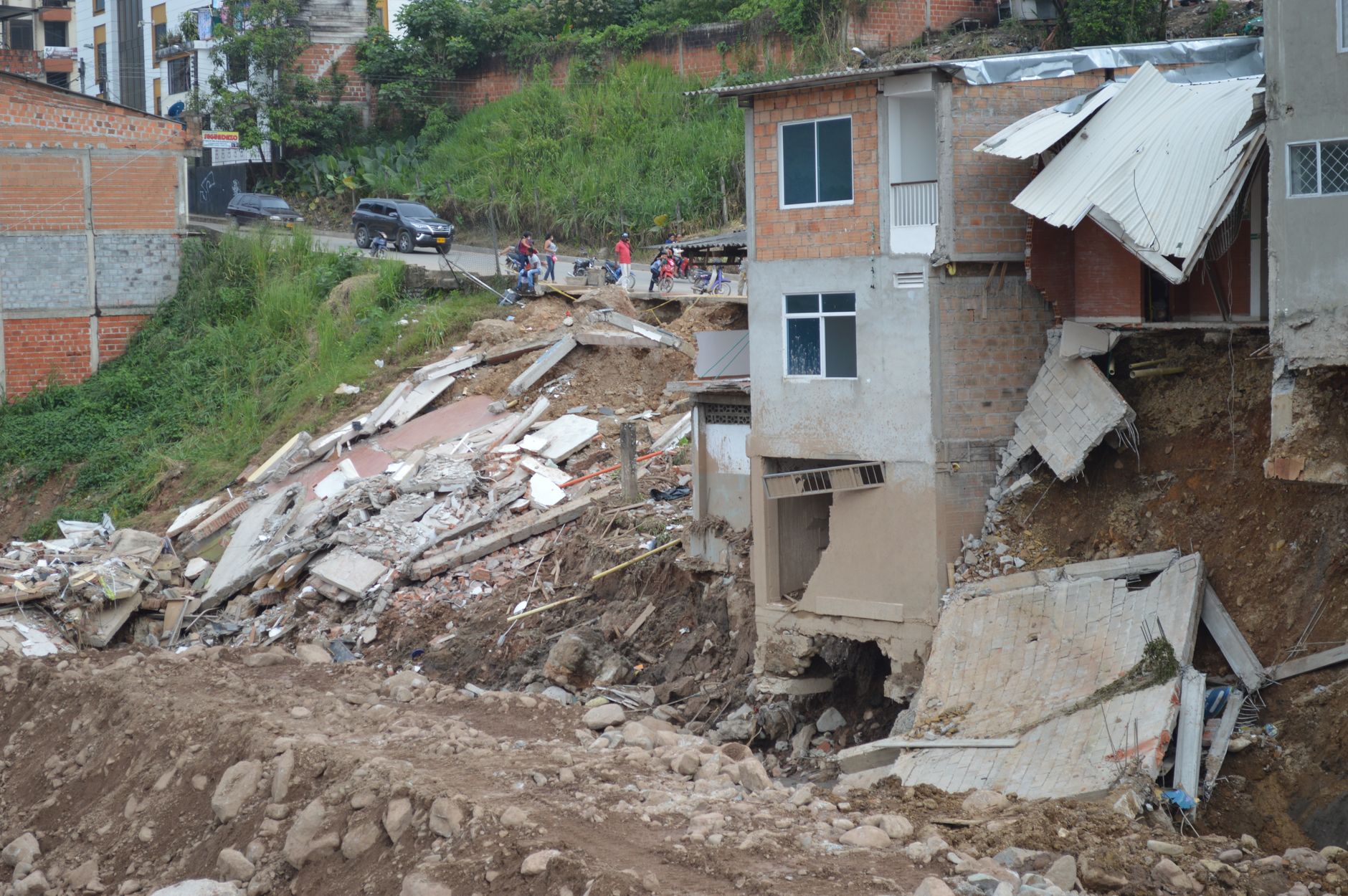
The aftermath of a major earthquake extends far beyond the initial destruction of buildings and infrastructure. In Venezuela's ongoing recovery efforts, public health experts are raising alarms about a secondary crisis that often proves equally dangerous: the health hazards emerging from dust, contaminated water, and debris exposure in affected areas.
The Hidden Health Threats After Earthquakes
When buildings collapse and infrastructure crumbles during seismic events, the resulting environment becomes a breeding ground for multiple health hazards. Crushed concrete, shattered glass, twisted metal, and displaced soil create a toxic mixture that poses immediate and long-term risks to survivors and rescue workers alike.
Airborne dust particles generated from collapsed structures contain silica, asbestos, and other harmful materials commonly found in construction materials. When inhaled, these microscopic particles can lodge deep in the lungs, causing acute respiratory distress and potentially leading to chronic conditions that may not manifest until months or years later.
Water Contamination Concerns
Perhaps the most pressing immediate concern in earthquake-affected regions is the disruption of clean water supplies. Ruptured sewage lines, damaged water treatment facilities, and compromised sanitation systems create perfect conditions for waterborne disease outbreaks.
The risks include:
- Cholera and typhoid fever from bacterial contamination
- Hepatitis A from fecal-oral transmission
- Gastroenteritis and dysentery causing severe dehydration
- Leptospirosis from contact with contaminated water and soil
- Vector-borne diseases as standing water attracts mosquitoes
In disaster zones where thousands may be displaced into temporary shelters with inadequate sanitation, these diseases can spread rapidly through vulnerable populations, particularly affecting children and elderly individuals.
Respiratory Hazards From Airborne Particles
The dust clouds that envelop earthquake-affected areas contain far more than ordinary dirt. Construction debris releases a cocktail of harmful substances including cement dust, crystalline silica, mold spores, and in older buildings, asbestos fibers and lead particles.
Rescue workers and residents returning to damaged areas face prolonged exposure to these airborne hazards. Short-term effects include coughing, wheezing, eye irritation, and exacerbation of existing asthma or allergic conditions. Long-term exposure raises concerns about silicosis, chronic obstructive pulmonary disease, and increased cancer risk.
Injury and Infection Risks From Debris
Sharp debris creates countless opportunities for cuts, puncture wounds, and crush injuries during rescue and recovery operations. These injuries become particularly dangerous in disaster settings where:
- Medical facilities may be damaged or overwhelmed
- Antibiotic supplies run short
- Tetanus vaccinations may not be readily available
- Sanitation conditions promote bacterial growth
Minor wounds can quickly progress to serious infections including tetanus, sepsis, and gangrene when proper medical care is delayed or unavailable.
Mental Health Implications
The stress of navigating a post-disaster environment filled with visible health threats compounds the psychological trauma already experienced by earthquake survivors. Constant awareness of contamination risks, loss of clean water access, and concerns about illness create additional layers of anxiety and depression.
Essential Protective Measures
Health authorities typically recommend several critical precautions during earthquake recovery:
- Wearing N95 or P100 respirators when working in dusty environments
- Using protective eyewear and gloves when handling debris
- Boiling water or using purification tablets before consumption
- Ensuring tetanus vaccinations are current
- Washing hands frequently and thoroughly
- Avoiding standing water that may harbor disease vectors
- Seeking immediate medical attention for any injuries
The Role of International Aid
Large-scale earthquake recovery requires coordinated international health responses. Organizations typically deploy mobile medical units, water purification systems, and disease surveillance teams to prevent outbreaks before they begin. Access to antibiotics, vaccines, and water treatment supplies becomes as critical as food and shelter in the days following a major quake.
Long-Term Health Monitoring
Even after immediate dangers pass, affected populations require ongoing health monitoring. Respiratory conditions, chronic diseases linked to toxic exposure, and mental health issues may emerge months or years after the initial disaster, requiring sustained medical support and research into long-term outcomes.
The transition from immediate rescue to recovery phase presents unique challenges as attention shifts away from affected regions while health risks remain elevated. Maintaining vigilance about these ongoing threats is essential to protecting vulnerable populations as they work to rebuild their lives and communities.