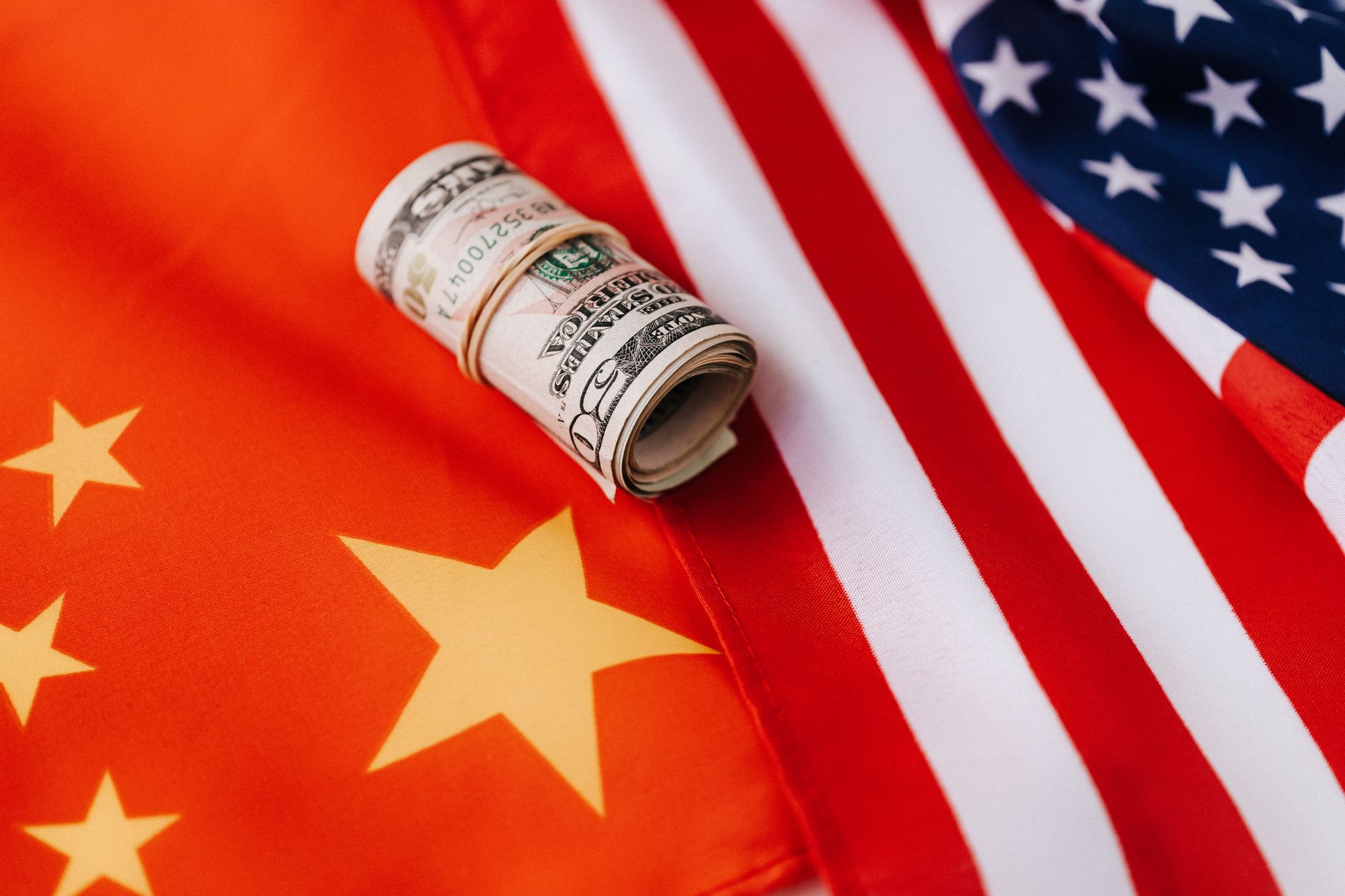
Indian investors today have unprecedented access to international markets, but choosing between expensive US equities at all-time highs and undervalued Chinese stocks requires careful consideration of risks, returns, and portfolio strategy.
The Case for US Markets
Despite trading at record valuations, US markets continue to attract global capital for compelling reasons. The US equity market represents approximately 60% of global market capitalization and houses the world's most innovative companies in technology, healthcare, and consumer sectors.
American companies benefit from strong corporate governance, transparent regulatory frameworks, and a track record of shareholder-friendly policies. Tech giants like Apple, Microsoft, and Nvidia have consistently delivered growth, driving indices to new peaks. The dollar's status as the global reserve currency also provides stability for international investors.
However, high valuations mean future returns may be modest. Price-to-earnings ratios for major US indices are well above historical averages, suggesting limited upside potential in the near term. Additionally, Indian investors face currency risk – a strengthening rupee could erode dollar-denominated returns.
Understanding China's Discount
Chinese equities have traded at significant discounts to global peers for several years. Attractive valuations stem from multiple concerns: regulatory crackdowns on technology companies, real estate sector troubles, geopolitical tensions, and slower economic growth compared to previous decades.
For contrarian investors, these discounts present opportunity. China remains the world's second-largest economy with a massive domestic consumer market. Companies in electric vehicles, renewable energy, and advanced manufacturing offer exposure to long-term growth trends at bargain prices.
Yet investing in China carries distinct risks. The regulatory environment can shift unpredictably, as seen with education and technology sector interventions. Corporate governance standards differ from Western markets, and geopolitical risks with Taiwan and trade tensions with the US create uncertainty. There are also practical challenges – some Chinese stocks face delisting risks from US exchanges.
Diversification: The Middle Path
Rather than choosing one market exclusively, a diversified international allocation often serves retail investors best. Consider splitting international exposure across multiple regions:
- Developed markets like the US for stability and quality
- Emerging markets including China for growth potential
- European markets for value opportunities
- Asian economies like Vietnam or Indonesia for diversification
Practical Considerations for Indian Investors
Indian residents can invest internationally through the Liberalized Remittance Scheme (LRS), which permits up to $250,000 per financial year for overseas investments. Options include direct stock purchases through international brokers, global mutual funds, or exchange-traded funds (ETFs) available on Indian exchanges.
Tax implications matter significantly. International equity gains are taxed as per your income tax slab, with no indexation benefits. Additionally, foreign dividend income and capital gains must be reported in your annual tax returns, adding compliance complexity.
Currency hedging deserves attention. Unhedged international investments expose you to forex fluctuations, which can either enhance or diminish returns. Some funds offer hedged variants that minimize currency impact.
How Much International Exposure Makes Sense
Financial advisors typically recommend limiting international equity exposure to 10-20% of your total equity portfolio. This provides diversification benefits without excessive currency risk or complexity.
Your allocation between expensive and cheap markets should align with your risk tolerance and investment horizon. Younger investors with longer time horizons might allocate more to higher-risk, potentially higher-reward markets like China. Conservative investors approaching retirement might prefer the stability of established US companies despite premium valuations.
The Timing Question
Market timing rarely works consistently. Rather than trying to predict whether US markets will correct or Chinese stocks will recover, systematic investment through SIPs (systematic investment plans) in international funds helps average out volatility.
Remember that both markets face macroeconomic headwinds. The US confronts elevated interest rates and potential recession risks. China grapples with demographic challenges, debt concerns, and property sector weakness. Neither represents a risk-free opportunity.
The choice between US and Chinese markets isn't binary. A thoughtful, diversified approach considering your financial goals, risk appetite, and investment timeline typically delivers better outcomes than concentration in any single geography, regardless of current valuations.
This article is for general informational purposes only and should not be construed as investment advice. International investing carries risks including currency fluctuations and regulatory changes. Consult a qualified financial advisor before making investment decisions based on your specific circumstances.