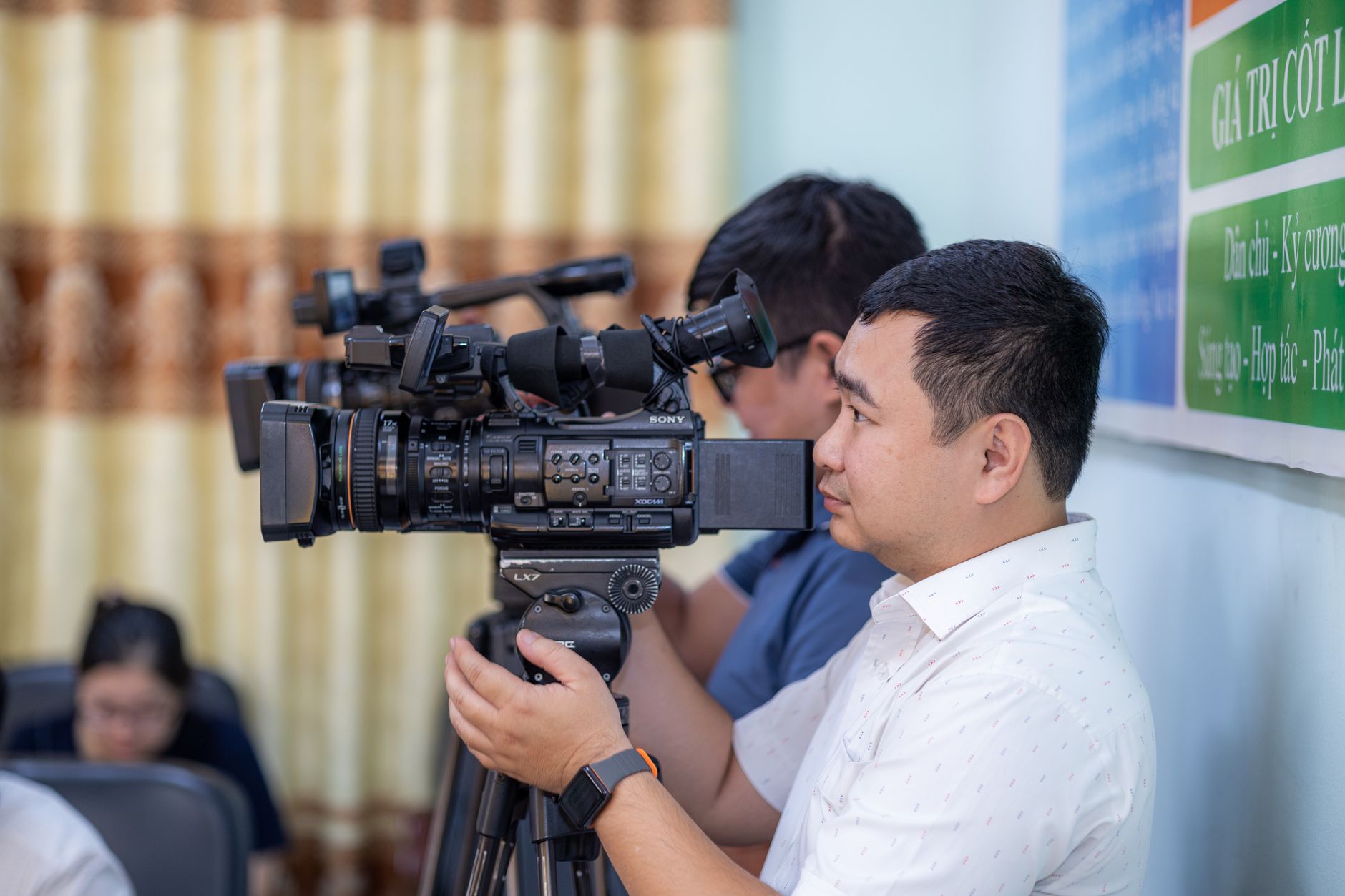
Media professionals across India's Western Zone recently participated in a specialized workshop designed to enhance their understanding and reporting capabilities on childhood non-communicable diseases (NCDs). The collaborative initiative brought together UNICEF India, the Press Information Bureau's Western Zone, and the All India Institute of Medical Sciences, Nagpur, to address a growing public health concern that often receives inadequate media attention.
Understanding Childhood NCDs
Non-communicable diseases in children represent a significant but often overlooked health challenge in India. Unlike infectious diseases, NCDs are chronic conditions that are not transmitted from person to person. In children, these include congenital heart defects, childhood cancers, type 1 diabetes, asthma, mental health disorders, and developmental disabilities.
The burden of childhood NCDs has been rising steadily across India, driven by factors including changing lifestyles, environmental pollution, genetic predispositions, and improved diagnostic capabilities. However, media coverage of these conditions remains sporadic and sometimes inaccurate, creating a knowledge gap among the general public.
The Role of Media in Public Health
Journalists serve as crucial intermediaries between the medical community and the public. Accurate, sensitive, and informed reporting on childhood NCDs can achieve multiple objectives:
- Raising awareness among parents about early warning signs and symptoms
- Reducing stigma associated with chronic childhood illnesses
- Highlighting gaps in healthcare infrastructure and policy
- Showcasing success stories and treatment advancements
- Advocating for better resource allocation and research funding
Workshop Objectives and Content
The two-day programme focused on equipping media professionals with both technical knowledge and ethical frameworks for reporting on childhood health issues. Participants learned about the epidemiology of major childhood NCDs prevalent in India, including their causes, prevention strategies, and treatment protocols.
Medical experts from AIIMS Nagpur provided insights into the clinical aspects of these diseases, helping journalists understand complex medical terminology and translate it into accessible language for general audiences. The workshop also addressed common misconceptions and myths surrounding childhood chronic diseases.
UNICEF India's involvement brought a rights-based perspective, emphasizing children's right to health and the importance of inclusive reporting that respects patient privacy and dignity. Participants explored ethical considerations when interviewing children with chronic conditions and their families, learning to balance compelling storytelling with sensitivity.
Addressing Reporting Challenges
Media professionals often face multiple challenges when covering childhood NCDs. Limited access to medical experts, time constraints, and the complexity of medical information can lead to oversimplified or inaccurate reporting. The workshop addressed these practical concerns through interactive sessions and case study analyses.
Participants discussed how to verify medical information, identify credible sources, and avoid sensationalism. They also learned to recognize and challenge misleading health claims and unproven treatments that frequently circulate in media, particularly on digital platforms.
The Broader Impact
India's healthcare system faces significant challenges in addressing childhood NCDs, from inadequate screening programmes to limited specialized treatment facilities outside major cities. By strengthening media capacity to report on these issues, the workshop aims to create more informed public discourse that can influence policy decisions and resource allocation.
Improved media coverage can also help families navigate the healthcare system more effectively, connecting them with appropriate services and support networks. Stories that highlight systemic issues can prompt administrative action and drive improvements in service delivery.
Moving Forward
The workshop represents part of a broader strategy to mainstream childhood NCD awareness in India. As the country undergoes rapid epidemiological transition, with NCDs increasingly affecting younger populations, the need for informed public dialogue becomes more urgent.
Media professionals trained through such initiatives become valuable resources in their newsrooms, capable of identifying important stories, conducting thorough research, and presenting health information responsibly. Their work can contribute to early detection, better treatment outcomes, and improved quality of life for children living with chronic conditions.
The collaboration between UNICEF, government communication channels, and premier medical institutions sets a model for ongoing engagement between the health and media sectors, recognizing that effective health communication requires continuous learning and partnership.
This article is for general informational purposes only and does not constitute medical advice. Parents concerned about their child's health should consult qualified healthcare professionals for proper diagnosis and treatment.