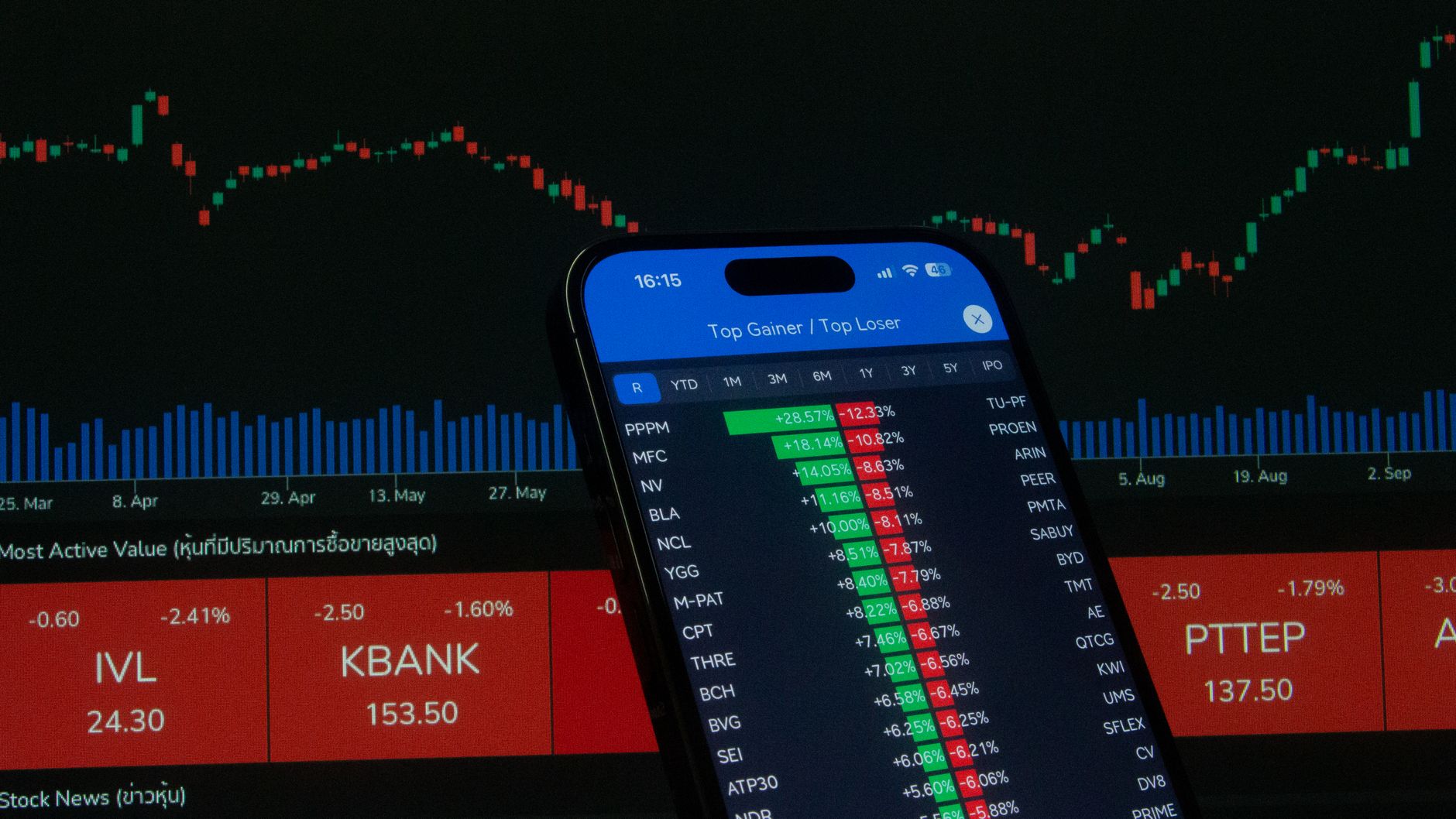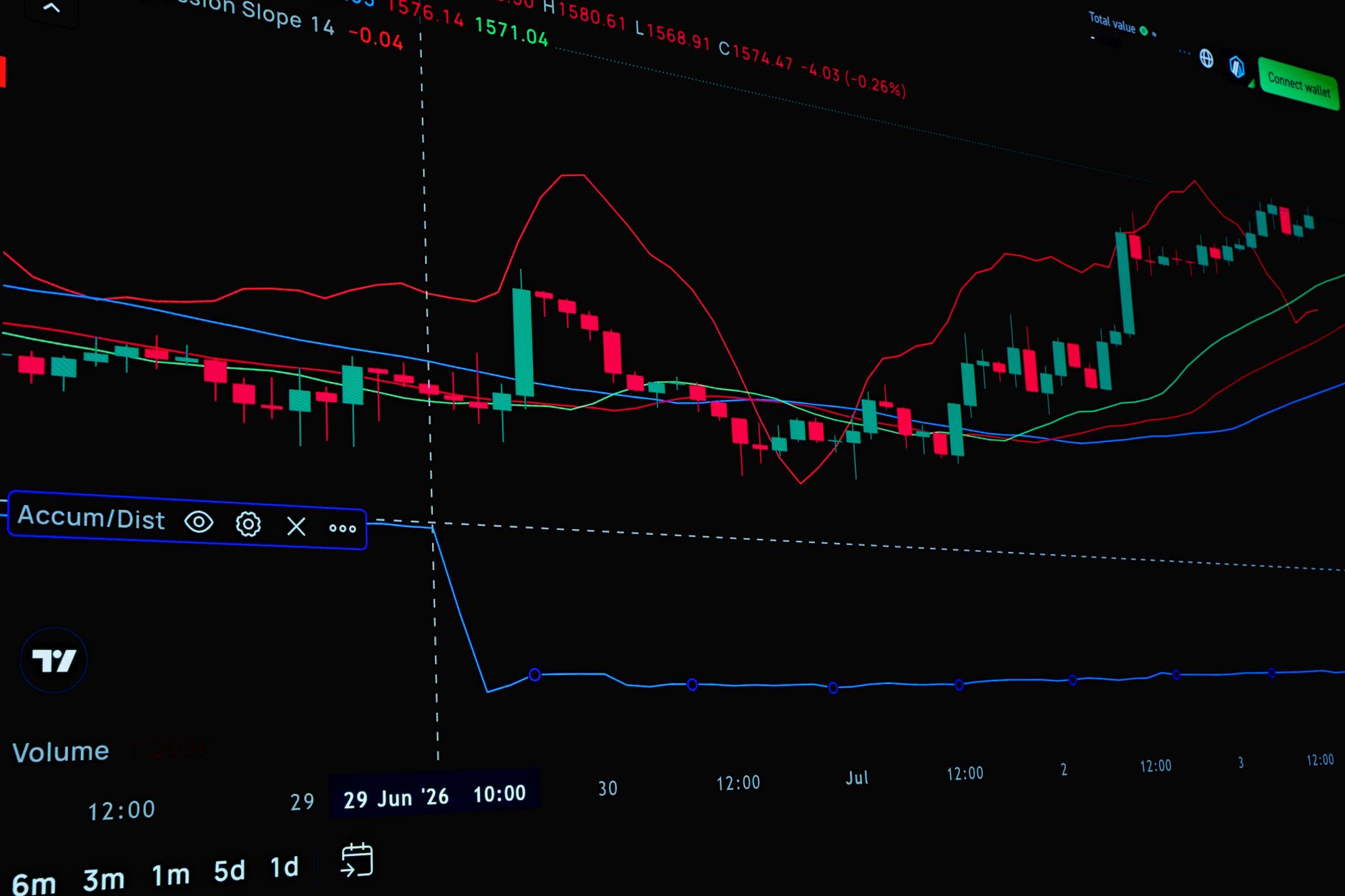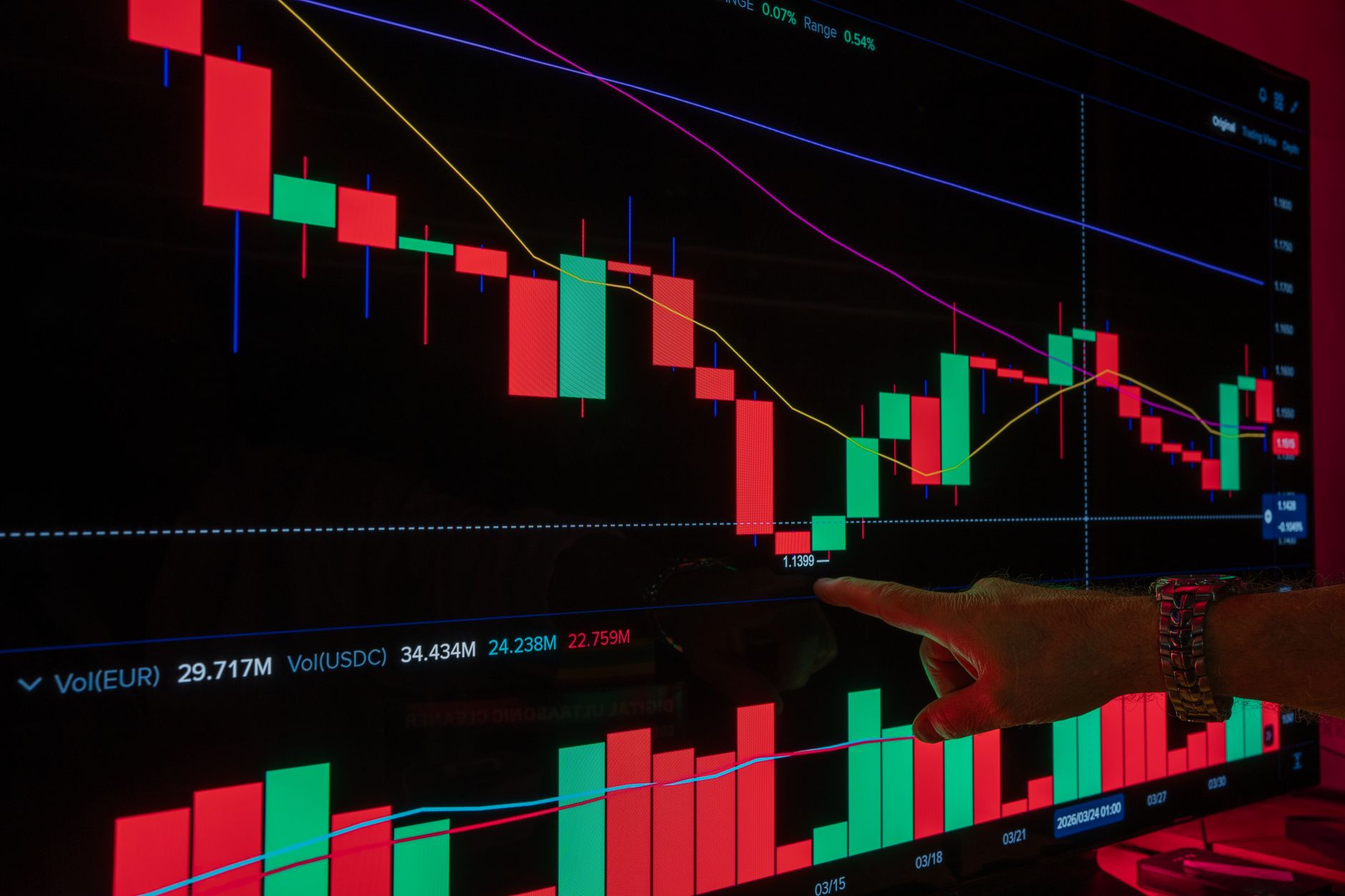
In the fast-paced world of investing, staying informed about market movements and economic trends is crucial for making sound financial decisions. Weekly market commentary from institutional giants like BlackRock has become an essential resource for both professional and retail investors seeking to navigate complex financial markets.
What Is Weekly Market Commentary
Weekly market commentary refers to regular analytical reports published by asset management firms, investment banks, and financial institutions. These reports typically synthesize the previous week's market performance, analyze key economic data releases, and provide forward-looking insights on potential investment opportunities and risks.
BlackRock, as the world's largest asset manager with over $10 trillion in assets under management, publishes influential weekly commentary that shapes investor sentiment and decision-making across global markets. Their analysts examine everything from stock market indices and bond yields to commodity prices and currency movements.
Key Components of Market Commentary
Most comprehensive weekly market reviews include several standard elements that help investors understand the broader economic picture.
- Market performance summaries across major asset classes including equities, fixed income, commodities, and currencies
- Analysis of significant economic data releases such as employment reports, inflation figures, and GDP growth
- Central bank policy updates and their implications for interest rates and monetary conditions
- Geopolitical events and their potential impact on markets
- Sector-specific insights highlighting industries showing strength or weakness
- Technical analysis of chart patterns and market trends
- Forward-looking views on investment positioning
Why Weekly Commentary Matters for Investors
Regular market commentary serves multiple purposes for different types of investors. For institutional investors managing large portfolios, these reports provide professional peer insights and help validate or challenge their existing investment theses. For individual investors, they offer accessible interpretations of complex market dynamics that might otherwise be difficult to understand.
The weekly cadence is particularly valuable because it strikes a balance between staying current and avoiding the noise of daily market fluctuations. Markets can be volatile day-to-day, but weekly reviews help identify more meaningful trends and patterns.
How to Effectively Use Market Commentary
Simply reading market commentary is not enough—investors need to approach these reports strategically. Start by identifying reputable sources from established firms with proven track records. While BlackRock's commentary carries significant weight due to their market position, diversifying your information sources prevents echo chambers and provides multiple perspectives.
Focus on understanding the reasoning behind analysts' views rather than just their conclusions. The "why" behind market movements is often more valuable than the "what." This deeper understanding helps you apply similar analytical frameworks to your own investment decisions.
Pay attention to how commentaries discuss risk factors. Professional analysts typically present balanced views that acknowledge both opportunities and potential headwinds. This nuanced approach is more valuable than overly bullish or bearish predictions.
Limitations and Considerations
While weekly market commentary provides valuable insights, investors should recognize its limitations. These reports reflect views at a specific moment in time, and markets can change rapidly. What appears significant on Monday may be obsolete by Friday.
Additionally, institutional commentary sometimes reflects the biases and business interests of the publishing firm. Asset managers may favor certain investment products or strategies that align with their offerings. Critical thinking and independent research remain essential.
Market commentary also cannot predict unexpected events—the so-called "black swan" occurrences that periodically roil markets. The COVID-19 pandemic, for instance, caught nearly all market commentators by surprise in early 2020.
Integrating Commentary Into Your Investment Strategy
The most effective approach is to use weekly market commentary as one input among many in your investment process. Combine these professional insights with your own research, risk tolerance assessment, and long-term financial goals.
For long-term investors, weekly commentary is most useful for staying informed about major economic shifts rather than making frequent portfolio adjustments. Short-term traders may find more tactical value in identifying emerging trends and potential catalysts.
Consider maintaining a journal of key insights from weekly commentaries over time. This historical perspective can reveal which analysts and firms provide consistently accurate insights versus those prone to missed calls.
This article is for general informational purposes only and should not be considered as personalized investment advice. Market conditions change rapidly, and past performance does not guarantee future results. Consult with a qualified financial advisor before making investment decisions based on market commentary or any other source.