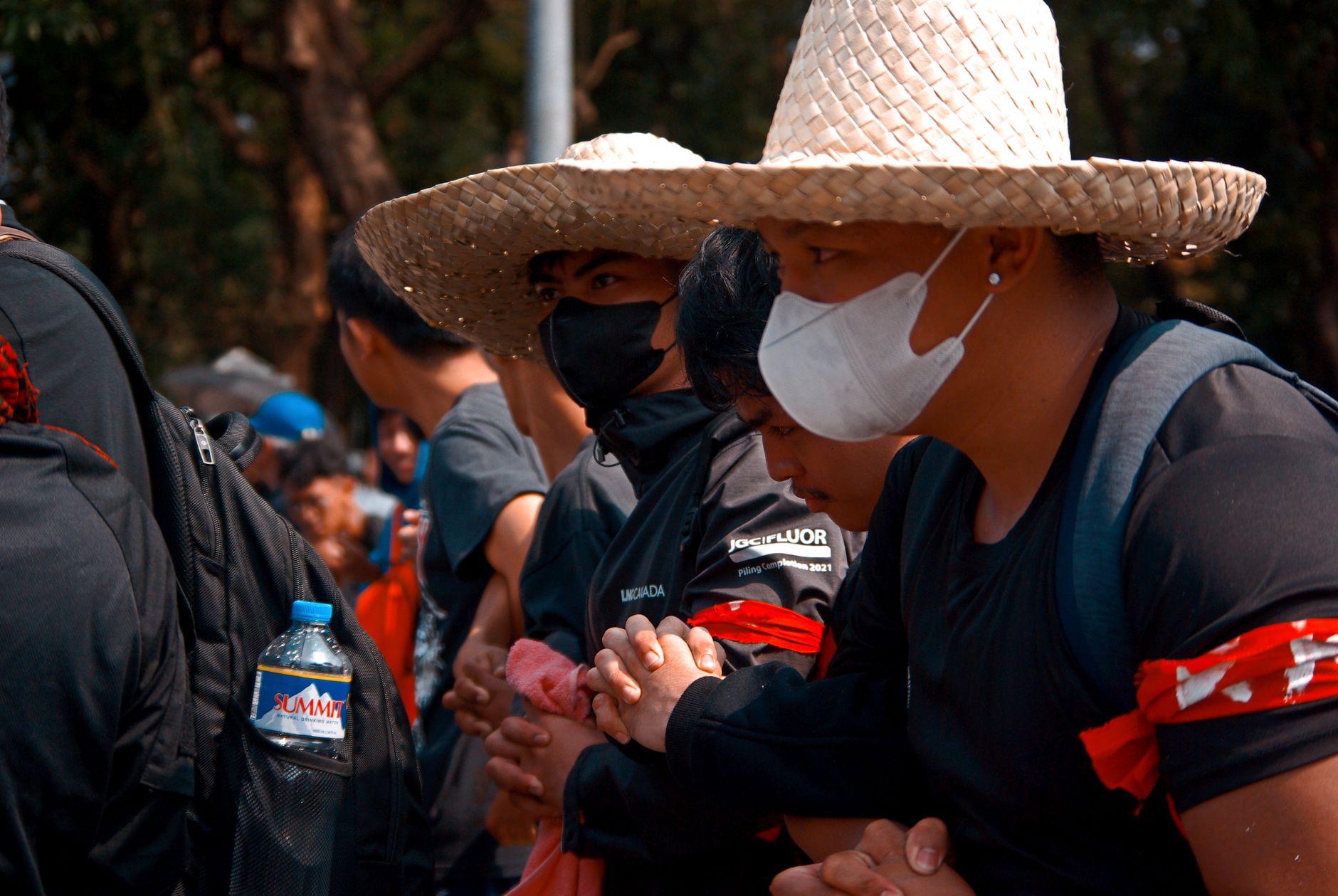
Hunger strikes have long been a powerful tool of non-violent protest in India, from Mahatma Gandhi's historic fasts to contemporary activists demanding policy changes. When Sonam Wangchuk, the renowned education reformer and environmental activist, undertakes such a fast, it draws attention not only to his demands for Ladakh's constitutional safeguards but also to the profound health implications of voluntary starvation.
What Happens to the Body During a Hunger Strike
The human body is remarkably resilient, but it undergoes dramatic changes when deprived of food. Understanding these physiological processes helps explain both the personal sacrifice involved and the medical risks that protesters face.
During the first 24 to 72 hours without food, the body depletes its glycogen stores—the readily available energy reserves stored in the liver and muscles. Once these are exhausted, the body shifts into a metabolic state called ketosis, where it begins breaking down fat for energy. This produces ketones, which can fuel most body tissues but often causes fatigue, dizziness, and mental fog.
The Critical Phases of Fasting
After approximately one week without food, the body's survival mechanisms intensify. Protein from muscles begins breaking down to provide glucose for the brain and other vital organs. This muscle wasting becomes increasingly pronounced as the fast continues, affecting not just skeletal muscles but potentially the heart muscle as well.
Key physiological changes during extended fasting include:
- Significant drops in blood pressure and heart rate
- Electrolyte imbalances that can trigger cardiac arrhythmias
- Weakened immune system function
- Dehydration, especially if water intake is also limited
- Cognitive impairment and difficulty concentrating
- Extreme fatigue and weakness
- Loss of bone density with prolonged fasting
When Hunger Strikes Become Life-Threatening
Medical experts generally consider hunger strikes to become critically dangerous after 21 to 30 days, though individual factors like age, pre-existing health conditions, and body composition play significant roles. The body's ability to regulate temperature diminishes, organ function becomes compromised, and the risk of irreversible damage increases substantially.
The most dangerous complications include cardiac arrest due to electrolyte disturbances, particularly low potassium levels, and organ failure as the body cannibalizes its own tissues for survival. Even if a hunger strike ends, the refeeding process must be carefully managed to avoid refeeding syndrome, a potentially fatal condition that occurs when nutrition is reintroduced too quickly.
The Psychological Dimension
Beyond the physical toll, hunger strikes exact a significant psychological cost. The mental discipline required to sustain such a protest is immense, but protesters also experience mood changes, irritability, and depression as nutritional deficiencies affect brain chemistry. The stress hormone cortisol rises, potentially impacting long-term mental health.
Medical Monitoring and Activism
Responsible activists typically undergo medical monitoring during hunger strikes, allowing doctors to assess vital signs and intervene if life-threatening complications arise. However, this creates an ethical dilemma—medical intervention can undermine the protest's impact while potentially saving the protester's life.
Historical Context in India
India has a rich history of hunger strikes as political protest, dating back to Gandhi's fasts unto death that pressured British colonial authorities. In recent decades, activists like Irom Sharmila's 16-year hunger strike and Anna Hazare's anti-corruption fasts have continued this tradition, though often with medical support and periodic breaks.
Why Activists Choose This Path
Despite the severe health risks, hunger strikes remain powerful because they transform the protester's body into a site of political contestation. The willingness to sacrifice one's health commands attention and can create moral pressure on authorities. For someone like Sonam Wangchuk, whose work on sustainable development in Ladakh has earned international recognition, a hunger strike amplifies demands that might otherwise go unheard.
The effectiveness of such protests depends on public sympathy, media coverage, and the political context. In democratic societies, hunger strikes can mobilize public opinion and force dialogue on contentious issues.
This article provides general information about the physiological and psychological effects of hunger strikes and should not be considered medical advice. Anyone considering or currently engaged in extended fasting should consult qualified healthcare professionals. Hunger strikes carry serious health risks that can result in permanent damage or death.