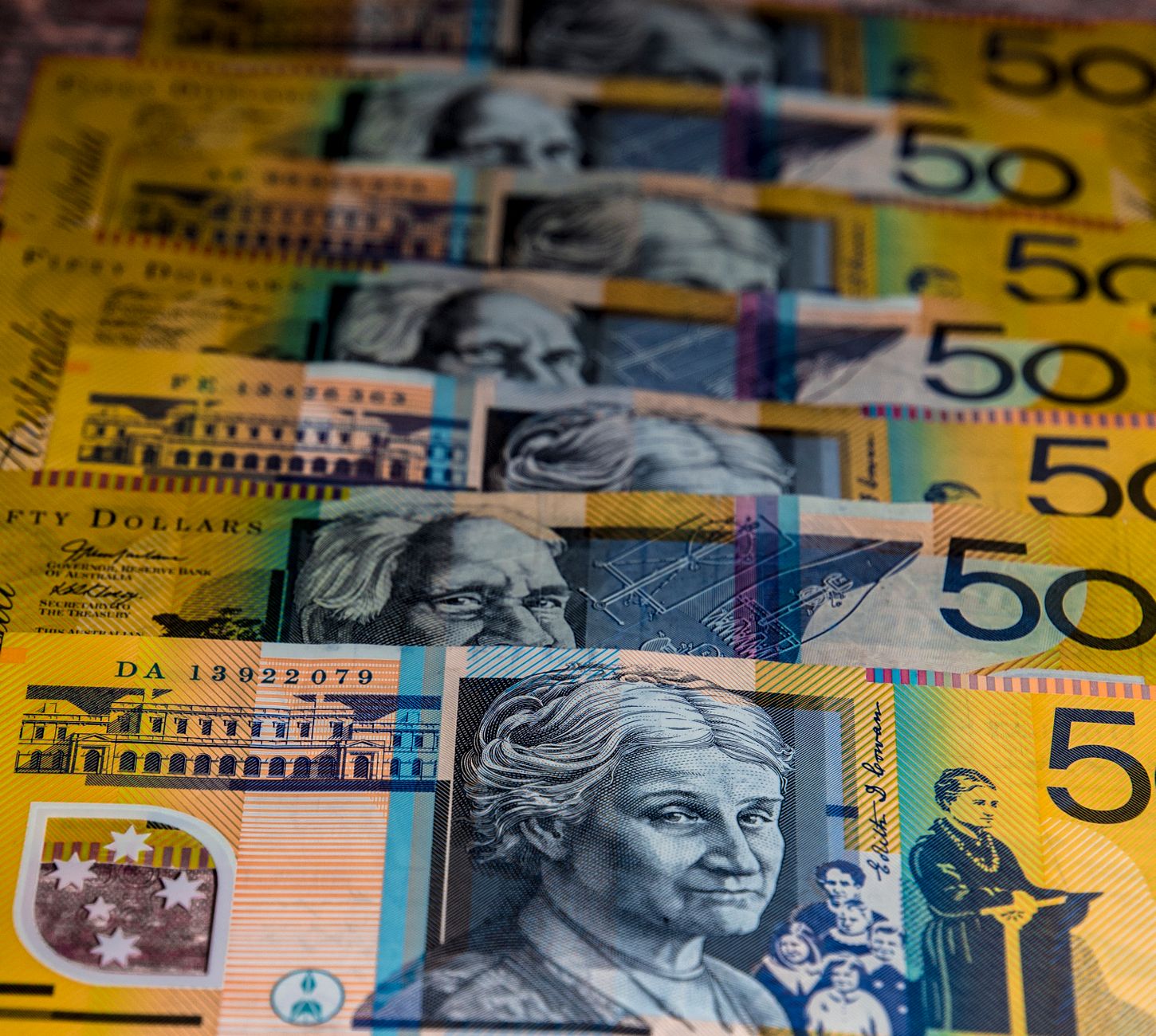
The global transition from traditional paper currency to polymer-based plastic banknotes has accelerated over the past decade, creating ripples across financial markets and manufacturing sectors. What began as an innovation by Australia in 1988 has now spread to over 50 countries, prompting investors to reconsider their positions in companies tied to currency production, security printing, and polymer materials.
Why Countries Are Making the Switch
Central banks have been increasingly attracted to plastic banknotes for several compelling reasons. Polymer notes typically last two to three times longer than their paper counterparts, with some lasting up to seven years compared to the one to two-year lifespan of cotton-based notes. This durability translates into significant cost savings over time for governments and central banks.
The security features available with plastic currency also surpass traditional paper notes. Polymer notes can incorporate transparent windows, holographic elements, and advanced anti-counterfeiting technologies that are nearly impossible to replicate. For countries struggling with counterfeit currency, this represents a major advantage.
Additionally, plastic banknotes are more hygienic and resistant to water, dirt, and general wear. They can survive a trip through a washing machine and remain intact in humid climates where paper notes deteriorate rapidly.
The Investment Angle
The shift to polymer currency creates investment opportunities in several distinct sectors. Companies specializing in polymer substrate production have seen increased demand as more nations consider the transition. CCL Industries' Innovia Films and CCL Secure, for instance, have become dominant players in the specialized polymer film market used for banknotes.
Security printing companies with expertise in polymer note production have also gained strategic advantages. The technology transfer and printing processes for plastic notes require different equipment and expertise compared to paper currency, creating barriers to entry that benefit established players.
Raw material suppliers, particularly those providing the specialized polypropylene films and security inks used in polymer notes, represent another investment consideration. The technical specifications for banknote-grade polymer are stringent, limiting the number of qualified suppliers.
The Challenges and Controversies
Despite the apparent advantages, the case for plastic banknotes remains tricky from an investment perspective for several reasons. The initial capital outlay for countries switching to polymer is substantial. Governments must invest in new printing equipment, train staff, and manage the logistics of phasing out old currency. This means the adoption curve may be slower than initially anticipated.
Environmental concerns have also emerged as a complication. While plastic notes last longer, they are harder to recycle than paper currency. Paper notes can be composted or recycled relatively easily, but polymer notes require specialized recycling facilities. Some environmental groups have criticized the shift, arguing it increases plastic pollution and carbon emissions during production.
The market concentration presents risks for investors as well. With only a handful of companies capable of producing banknote-grade polymer substrate at scale, regulatory changes or shifts in central bank preferences could dramatically impact valuations. A single lost contract can significantly affect a company's revenue stream.
Market Adoption Patterns
Adoption of plastic banknotes varies significantly by region. The United Kingdom completed its transition to polymer notes by 2021, while Canada began its shift in 2011. Many Asian and African nations have followed suit, recognizing the benefits in tropical climates where humidity damages paper currency quickly.
However, major economies like the United States and the European Union have been cautious. The U.S. dollar remains on cotton-based paper, partly due to the massive scale of dollar production and circulation worldwide. Any transition would involve enormous logistical challenges and costs. The eurozone has similarly taken a wait-and-see approach, conducting studies but not committing to wholesale adoption.
This uneven adoption creates uncertainty for investors trying to forecast long-term demand for polymer banknote materials and production services.
Technological Evolution
The future may not solely belong to plastic either. Researchers are exploring biodegradable polymer alternatives and even digital currency solutions that could eventually reduce demand for physical currency altogether. Central bank digital currencies (CBDCs) are being tested by numerous countries, potentially disrupting the entire physical currency manufacturing sector in the long term.
For investors, this creates a complex risk-reward calculation. Companies in the polymer banknote space may enjoy a decade or more of growing demand, but they face potential obsolescence from digital alternatives and environmental pressures to develop more sustainable materials.
The investment case for plastic banknotes ultimately depends on one's timeline and risk tolerance, as well as beliefs about the pace of digital currency adoption and the continued relevance of physical cash in an increasingly digital global economy.