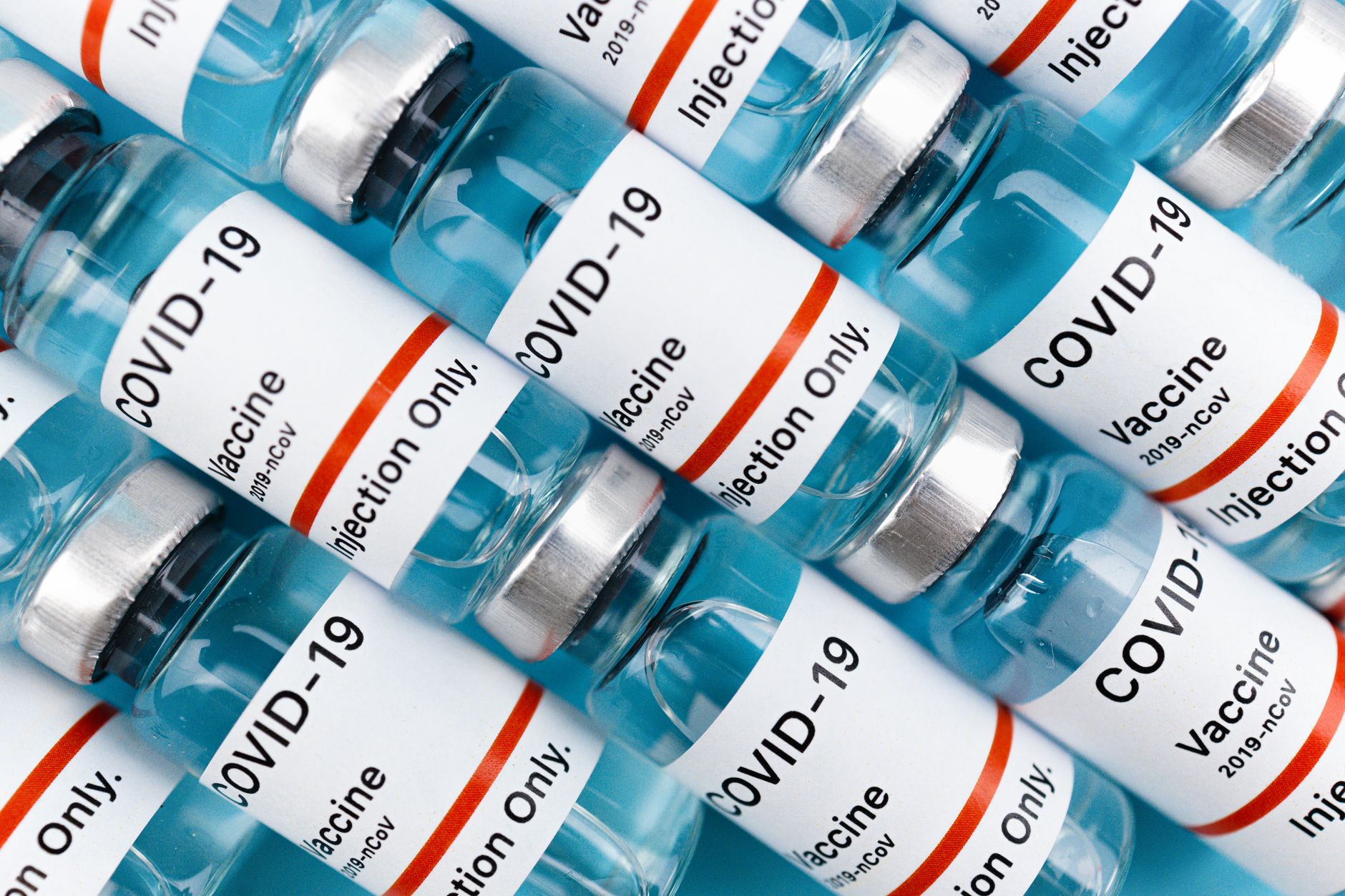
India has taken a major step forward in combating dengue fever with the approval of QDENGA, developed by Takeda Pharmaceutical Company. This marks the first dengue vaccine to receive regulatory approval in India, a country where dengue poses a persistent public health challenge affecting millions of people each year.
Understanding the Dengue Threat in India
Dengue fever is a mosquito-borne viral infection that has become increasingly prevalent across India, particularly during monsoon seasons. The disease is transmitted primarily by Aedes aegypti mosquitoes and can range from mild fever to severe complications including dengue hemorrhagic fever and dengue shock syndrome, which can be fatal.
India reports hundreds of thousands of dengue cases annually, with the actual numbers likely much higher due to underreporting and misdiagnosis. Urban and semi-urban areas are particularly vulnerable due to factors like inadequate water storage practices, poor waste management, and dense populations that facilitate mosquito breeding.
What Makes QDENGA Different
QDENGA is a live-attenuated vaccine, meaning it contains weakened forms of the dengue virus that cannot cause disease but can stimulate immune responses. The vaccine is designed to protect against all four serotypes of the dengue virus (DEN-1, DEN-2, DEN-3, and DEN-4), which is crucial because infection with one serotype does not provide immunity against others and can actually increase the risk of severe disease upon subsequent infections with different serotypes.
The vaccine is administered in a two-dose schedule, with doses given three months apart. This regimen has been developed based on extensive clinical trials conducted across multiple dengue-endemic regions worldwide.
Clinical Evidence and Efficacy
Clinical trial data has shown that QDENGA can significantly reduce the risk of symptomatic dengue infection and hospitalization. The vaccine has demonstrated effectiveness regardless of whether individuals have been previously exposed to dengue, which is an important consideration in endemic areas where many people may have had prior infections without realizing it.
Studies have indicated that the vaccine's protection is sustained over several years, though the exact duration of immunity and the need for booster doses continue to be evaluated through ongoing research and post-market surveillance.
Target Population and Rollout
The vaccine is expected to be recommended for individuals within a specific age range, typically children and adolescents, who are at higher risk of dengue infection in endemic areas. The exact guidelines for vaccine administration in India will be determined by health authorities based on epidemiological data and cost-effectiveness considerations.
Healthcare experts anticipate that the vaccine rollout will likely be phased, potentially starting in regions with the highest dengue burden. Integration into existing vaccination programs and public health campaigns will be essential for achieving meaningful population-level protection.
Broader Implications for Public Health
The approval of QDENGA represents more than just a new medical tool; it signals a shift in India's approach to vector-borne diseases. While mosquito control measures remain fundamental to dengue prevention, vaccination provides an additional layer of protection, particularly for high-risk populations.
This approval may also pave the way for increased investment in vaccines for other tropical diseases prevalent in India. It demonstrates regulatory confidence in novel vaccine technologies and could accelerate the approval process for future preventive therapies.
Challenges Ahead
Despite the promising development, several challenges remain. The cost of the vaccine and its affordability for average Indian families will be critical factors in determining its uptake and impact. Government subsidies or inclusion in public immunization programs may be necessary to ensure widespread access.
Additionally, public awareness and vaccine hesitancy will need to be addressed through education campaigns that explain the benefits and safety profile of the vaccine. Healthcare infrastructure must also be strengthened to ensure proper storage, distribution, and administration of the vaccine, which requires specific cold chain management.
Integration with Existing Prevention Measures
Health experts emphasize that vaccination should complement, not replace, existing dengue prevention strategies. Mosquito control through elimination of breeding sites, use of insect repellents, protective clothing, and community-level sanitation efforts remain crucial components of comprehensive dengue prevention.
The combination of vaccination and traditional public health measures offers the best hope for significantly reducing dengue's burden on India's population and healthcare system in the coming years.
This article is for general informational purposes only and does not constitute medical advice. Individuals should consult qualified healthcare professionals regarding vaccination decisions and dengue prevention strategies appropriate for their specific circumstances.