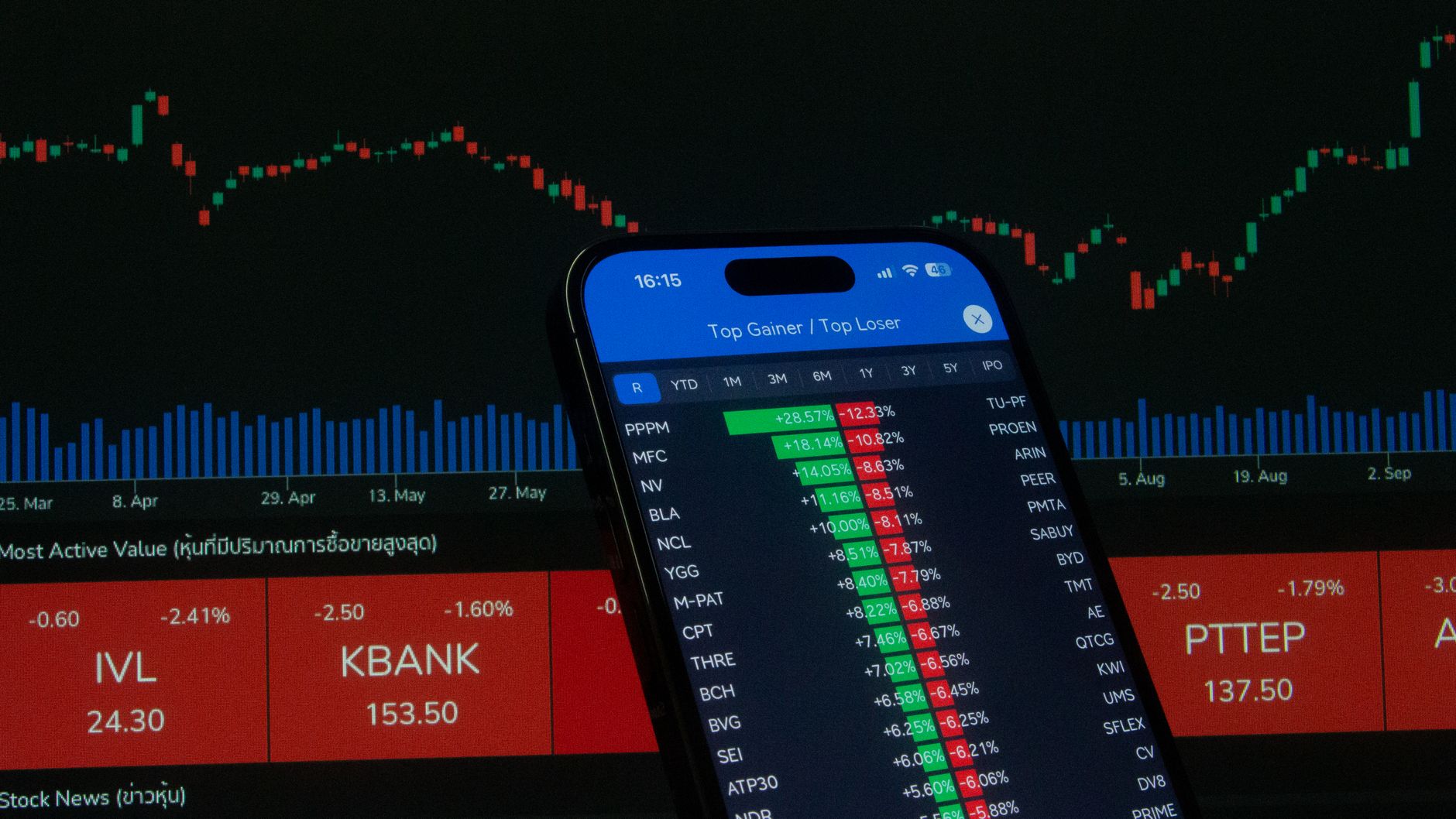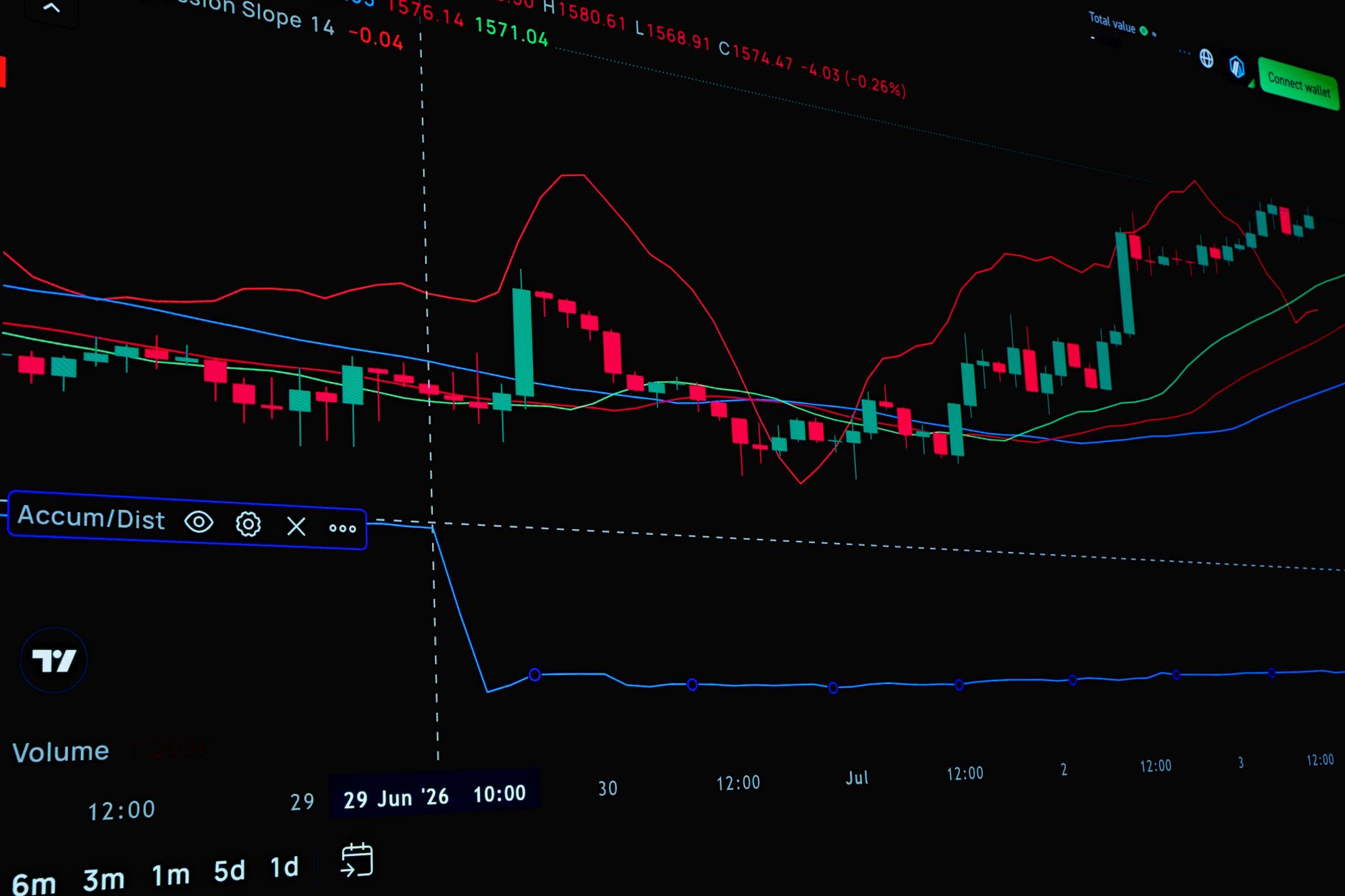
The Indian stock market experienced significant selling pressure today, with benchmark indices witnessing sharp declines. The BSE Sensex tumbled approximately 900 points while the NSE Nifty50 closed below the crucial 23,800 mark, leaving investors concerned about the near-term market trajectory. This widespread selloff reflects a combination of domestic challenges and global headwinds that have dampened investor sentiment.
Global Economic Concerns
International factors often play a crucial role in shaping domestic market movements. Weakness in global equity markets, particularly in the United States and other developed economies, tends to create ripple effects across emerging markets like India. Concerns about the global economic outlook, including potential recession fears in major economies, have prompted foreign institutional investors to adopt a risk-off approach. When global investors become cautious, they typically reduce exposure to emerging market equities, leading to capital outflows that pressure Indian indices.
Additionally, movements in commodity prices, especially crude oil, impact India significantly as a major importer. Rising oil prices can widen the trade deficit and fuel inflation concerns, both of which negatively affect market sentiment.
Foreign Institutional Investor Selling
Foreign institutional investors have been net sellers in Indian equities recently, contributing significantly to the downward pressure on indices. FII selling often accelerates during periods of global uncertainty or when alternative markets offer better risk-adjusted returns. The sustained outflow of foreign capital not only directly impacts stock prices but also creates negative sentiment among domestic investors.
Currency movements also factor into FII decisions. When the rupee weakens against the dollar, it can trigger additional selling as foreign investors seek to limit currency-related losses on their investments.
Weak Corporate Earnings
The ongoing quarterly earnings season has brought mixed results, with several prominent companies reporting numbers below market expectations. Disappointing earnings growth, margin pressures, and cautious management commentary about future prospects have contributed to the bearish mood. When corporate earnings fail to meet investor expectations, it triggers downgrades by analysts and reassessment of valuations.
Sectors particularly vulnerable include those facing demand slowdowns, input cost pressures, or regulatory challenges. When bellwether companies across multiple sectors report subdued performance, it raises concerns about the broader economic health and corporate profitability trends.
Inflation and Interest Rate Concerns
Persistent inflationary pressures remain a key concern for markets. High inflation reduces consumer purchasing power and can squeeze corporate margins, particularly for companies unable to pass on increased costs to customers. Moreover, elevated inflation limits the central bank's ability to cut interest rates, which means the cost of capital remains high for businesses.
High interest rates make equities less attractive compared to fixed-income instruments. When investors can earn reasonable returns from relatively safer debt instruments, the risk premium demanded for holding equities increases, leading to valuation compression in stock markets.
Profit Booking After Recent Rally
Technical factors and profit-booking also contributed to today's decline. Indian markets had witnessed significant gains over recent months, pushing valuations to elevated levels in certain segments. When markets reach new highs or approach resistance levels, traders and short-term investors often book profits, triggering a correction.
Overbought technical indicators may have prompted algorithmic and momentum-based selling, amplifying the downward movement. Market corrections are a natural part of equity market cycles and often provide healthier consolidation before the next leg of movement.
Sector-Specific Challenges
Certain sectors faced additional headwinds today. Banking and financial services stocks, which carry significant weight in the indices, may have declined due to concerns about asset quality or lending growth. Information technology stocks might have faced pressure from unfavorable currency movements or concerns about global technology spending.
Auto, real estate, and consumer discretionary sectors are sensitive to interest rate environments and consumer sentiment. Any negative news flow affecting these major sectoral constituents can disproportionately impact the broader indices.
What Investors Should Consider
Market volatility is inherent to equity investing, and single-day movements, while significant, should be viewed in the context of long-term investment objectives. Diversification across sectors and asset classes remains crucial for managing risk. Investors with long-term horizons might view corrections as opportunities to accumulate quality stocks at better valuations.
This article is for general informational purposes only and should not be considered as investment advice. Investors should conduct their own research or consult with qualified financial advisors before making investment decisions based on their individual financial situation and risk tolerance.