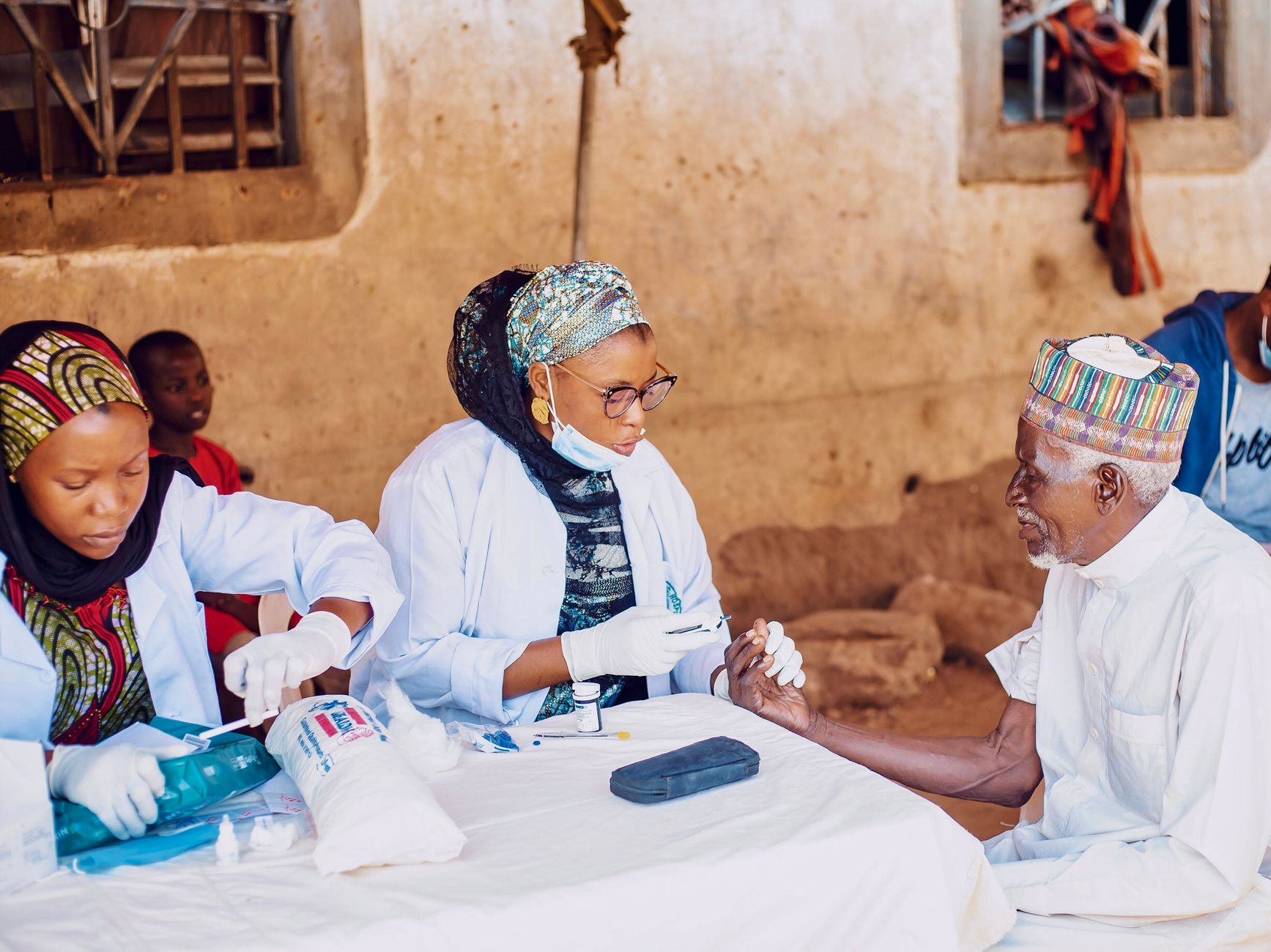
Motul India, the lubricant manufacturing company, has significantly expanded its corporate social responsibility efforts in the healthcare sector. The Sehat Ki Samriddhi Initiative has now grown to encompass 108 health camps spanning 27 districts across India, marking a substantial commitment to improving healthcare access in underserved communities.
Understanding Corporate Healthcare Initiatives
Corporate social responsibility programs in healthcare have become increasingly vital in bridging the gap between India's urban and rural healthcare infrastructure. Companies across sectors are recognizing their role in supporting public health, particularly in areas where government facilities are overburdened or inaccessible.
The Sehat Ki Samriddhi Initiative represents a model of how private sector organizations can contribute meaningfully to community health. By organizing mobile health camps, such programs bring medical services directly to populations that might otherwise face barriers in accessing quality healthcare.
Scale and Reach of the Program
The expansion to 108 health camps across 27 districts demonstrates a strategic approach to maximizing impact. This geographic spread ensures that the program reaches diverse communities across different states, addressing varied healthcare needs and challenges specific to each region.
Health camps typically offer several essential services:
- General health screenings and check-ups
- Blood pressure and diabetes monitoring
- Basic diagnostic tests
- Health education and awareness sessions
- Distribution of medicines for common ailments
- Referrals for specialized treatment when necessary
Addressing Healthcare Gaps
India's healthcare system faces significant challenges in ensuring universal access to quality medical services. Rural and semi-urban areas particularly struggle with shortages of medical professionals, inadequate infrastructure, and limited awareness about preventive healthcare.
Mobile health camps serve multiple purposes beyond immediate medical attention. They create awareness about common health conditions, promote preventive healthcare practices, and help in early detection of diseases that might otherwise go undiagnosed until reaching advanced stages.
For working-class communities, particularly those in industrial areas where Motul operates, such initiatives eliminate the need to take time off work or travel long distances for basic health consultations. This accessibility factor significantly increases healthcare utilization among vulnerable populations.
The Business Case for Health CSR
Companies investing in healthcare initiatives often serve communities connected to their business operations, including employees, their families, and surrounding neighborhoods. This creates a positive ecosystem where healthier communities contribute to better workforce productivity and stronger community relationships.
The choice of 108 camps is symbolically significant in Indian context, as the number 108 holds cultural and spiritual importance while also being India's emergency ambulance service number. This numbering may help increase program recognition and recall among beneficiaries.
Impact Beyond Immediate Healthcare
Health camp initiatives generate ripple effects in communities. When individuals receive diagnoses and treatment recommendations, they often share this information with family and neighbors, amplifying health awareness. Follow-up camps can track progress and ensure continuity of care for chronic conditions.
Additionally, such programs often collaborate with local healthcare providers, strengthening the overall medical ecosystem in underserved areas. They may also provide training opportunities for local health workers and create temporary employment for community members assisting with camp operations.
Sustainability and Future Expansion
For maximum impact, healthcare CSR initiatives need sustainable models that ensure regular service rather than one-time interventions. The expansion to 108 camps suggests a systematic approach with potential for further growth.
Successful programs typically incorporate feedback mechanisms, allowing organizers to adapt services based on community needs. They may also partner with government health departments, NGOs, and local medical institutions to enhance service quality and reach.
Measuring Success
The effectiveness of such initiatives can be evaluated through various metrics including number of beneficiaries served, diseases detected and treated, referrals made, and long-term health improvements in target communities. Regular monitoring helps optimize resource allocation and program design.
As corporate India continues recognizing its role in supporting national health goals, initiatives like Sehat Ki Samriddhi demonstrate how businesses can contribute to building a healthier nation while strengthening their community connections and fulfilling social responsibilities.
This article is for general information purposes only and does not constitute medical advice. Readers should consult qualified healthcare professionals for specific health concerns and treatment recommendations.