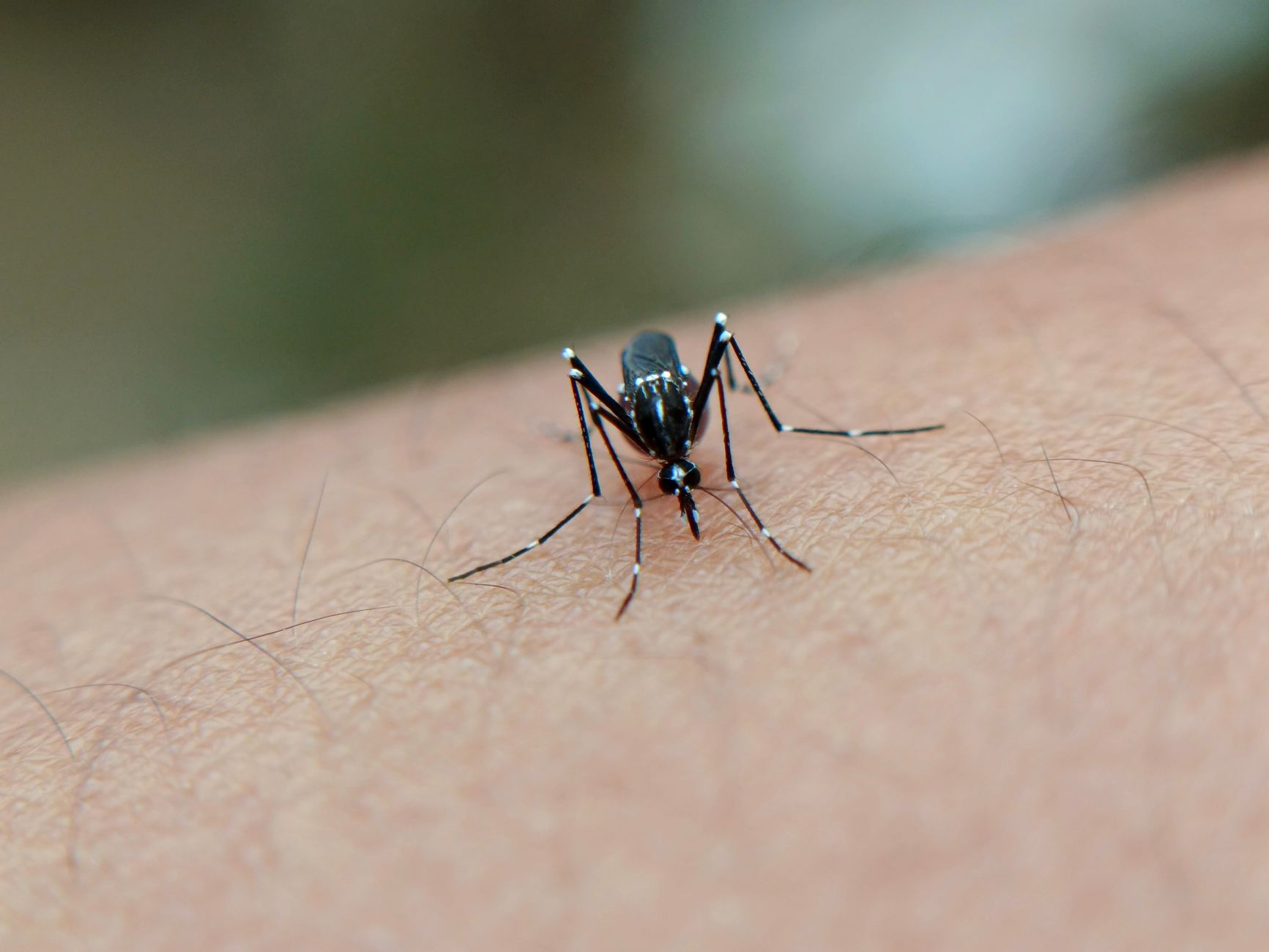
India's monsoon season brings more than just rainfall and relief from summer heat. It ushers in a predictable yet concerning surge in vector-borne diseases, particularly dengue fever. However, the current health landscape reveals a more complex picture as the country grapples with what experts call a double disease burden – the simultaneous challenge of infectious diseases and rising non-communicable conditions.
The Dengue Surge Explained
Dengue fever, transmitted by the Aedes aegypti mosquito, thrives during monsoon months when stagnant water accumulates in urban and semi-urban areas. These water collections in discarded containers, coolers, plant pots, and construction sites become perfect breeding grounds for mosquitoes. The disease manifests with high fever, severe headache, pain behind the eyes, joint and muscle pain, and in severe cases can progress to dengue hemorrhagic fever, a potentially fatal complication.
The current surge follows a familiar pattern but is intensified by factors including unplanned urbanization, inadequate waste management, and climate variations that extend the mosquito breeding season. Dense populations in cities create ideal conditions for rapid disease transmission, with a single infected person potentially spreading the virus to multiple mosquitoes that then infect others.
The Positive Trends: Malaria and Kala-Azar Decline
Amid concerns about dengue, India has recorded significant victories against other vector-borne diseases. Malaria cases have steadily declined over recent years thanks to coordinated government programs, improved diagnostics, better treatment protocols, and extensive use of insecticide-treated bed nets in endemic regions. The National Vector Borne Disease Control Programme has intensified surveillance and rapid response mechanisms in high-burden states.
Similarly, kala-azar, also known as visceral leishmaniasis, has seen remarkable reduction. This potentially fatal disease, transmitted by sandflies, once plagued large parts of Bihar, Jharkhand, Uttar Pradesh, and West Bengal. Aggressive case detection, effective treatment with newer drugs, and vector control measures have brought infection rates down significantly, moving India closer to its elimination targets.
The Rising Threat: Non-Communicable Diseases
While infectious disease control improves, India faces mounting pressure from non-communicable diseases (NCDs) including diabetes, hypertension, cardiovascular conditions, cancer, and chronic respiratory diseases. Lifestyle changes, dietary shifts toward processed foods, reduced physical activity, tobacco use, and alcohol consumption contribute to this epidemic.
The double disease burden strains healthcare resources as the system must simultaneously handle acute infectious outbreaks and manage chronic conditions requiring long-term care. Urban hospitals during monsoon often overflow with dengue patients while continuing to treat the growing population of diabetes and heart disease patients.
Public Health Implications
This dual challenge demands a comprehensive healthcare approach. The government's focus cannot shift entirely toward NCDs while vector-borne diseases still pose seasonal threats. Healthcare infrastructure must be robust enough to handle monsoon surges while maintaining chronic disease management programs year-round.
What Individuals Can Do
Prevention remains the most effective strategy for dengue. Citizens should eliminate standing water around homes, use mosquito repellents, install screens on windows and doors, and wear protective clothing during peak mosquito hours (early morning and evening). Communities should organize cleanup drives to remove potential breeding sites.
For NCDs, prevention involves lifestyle modifications including regular exercise, balanced nutrition, avoiding tobacco and excessive alcohol, regular health screenings, and managing stress. Early detection through routine check-ups enables better management of conditions like diabetes and hypertension before complications develop.
The Path Forward
India's health success stories with malaria and kala-azar demonstrate that sustained commitment, adequate funding, community participation, and evidence-based interventions produce results. Applying similar dedication to dengue control and NCD prevention could reshape the country's health landscape.
The government's integrated approach through programs addressing both communicable and non-communicable diseases represents recognition of this complex reality. However, success requires not just policy frameworks but effective implementation, adequate healthcare workforce, public awareness, and individual responsibility.
As monsoon rains continue, vigilance against dengue remains crucial while not losing sight of the longer-term challenge posed by lifestyle diseases that increasingly affect younger populations.
This article provides general health information only and should not replace professional medical advice. Readers experiencing symptoms of dengue or any health condition should consult qualified healthcare providers for proper diagnosis and treatment.