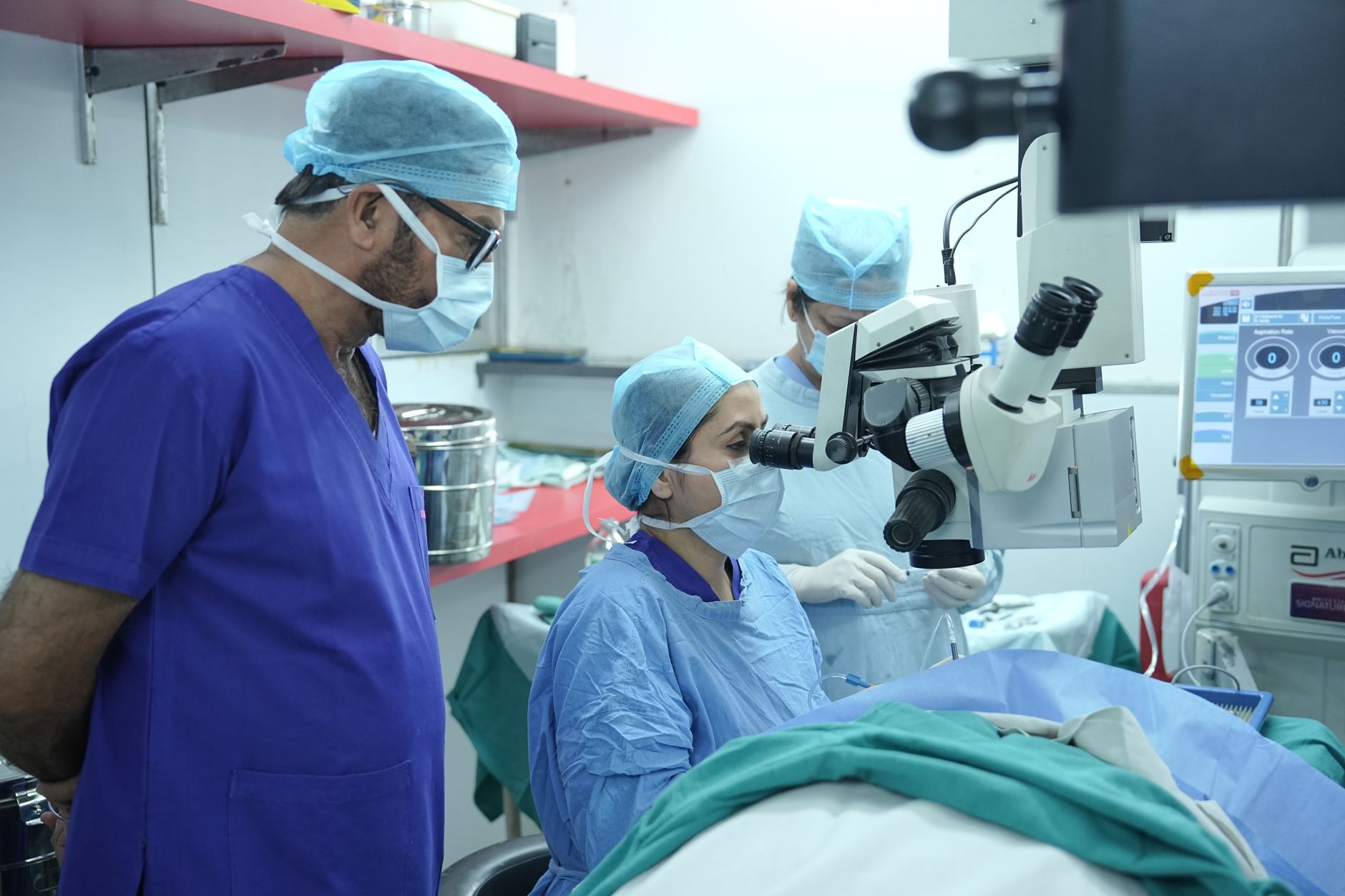
India's healthcare sector is witnessing a historic moment as Manipal Health Enterprises prepares to launch what will be the country's largest initial public offering in the healthcare space. With a target of Rs 9,275 crore, this IPO represents not just a significant fundraising exercise but also signals growing investor confidence in India's rapidly expanding healthcare industry.
Understanding Manipal Health Enterprises
Manipal Health Enterprises operates one of India's most extensive private hospital networks under the Manipal Hospitals brand. The company runs a chain of multi-specialty tertiary and quaternary care hospitals across multiple cities in India, offering services ranging from routine medical care to complex surgical procedures and specialized treatments.
The healthcare provider has built a strong reputation over decades, combining quality medical care with modern infrastructure. The network includes hospitals equipped with advanced medical technology, staffed by experienced doctors and healthcare professionals across various specialties including cardiology, oncology, neurosciences, orthopedics, and organ transplantation.
Breaking Down the IPO Details
The Rs 9,275 crore IPO is structured as a combination of fresh equity issuance and an offer for sale by existing shareholders. Fresh equity proceeds typically help companies fund expansion plans, reduce debt, or strengthen their balance sheets, while the offer for sale component allows current investors to partially exit their investments.
This mammoth offering surpasses previous healthcare IPOs in the Indian market, underlining the scale and ambition of Manipal Health's public market debut. The pricing and exact share allocation details are typically announced closer to the issue opening date, allowing the company to gauge market conditions and investor appetite.
Why This IPO Matters for India's Healthcare Sector
The healthcare industry in India has undergone tremendous transformation, particularly accelerated by the COVID-19 pandemic. The crisis exposed gaps in healthcare infrastructure while simultaneously highlighting the critical importance of quality medical facilities and the willingness of patients to pay for reliable healthcare services.
Several factors make this IPO significant. First, it provides a benchmark valuation for healthcare assets in India, which could influence future deals and investments in the sector. Second, it demonstrates that large-scale healthcare enterprises can attract substantial public market capital, potentially encouraging more private investment into healthcare infrastructure.
Third, successful listing could pave the way for other healthcare chains to consider public offerings, ultimately bringing more transparency and corporate governance standards to the sector.
Growth Drivers for Manipal Health
Multiple tailwinds support the growth trajectory of organized healthcare providers in India. The country's rising middle class increasingly seeks quality healthcare and is willing to pay premium prices for reliable medical services. Health insurance penetration, though still low compared to developed markets, is gradually increasing, making private healthcare more accessible.
India's medical tourism industry also presents significant opportunities. The country has emerged as a preferred destination for patients from across the globe seeking affordable yet high-quality medical treatments, particularly for procedures like cardiac surgery, orthopedic interventions, and organ transplants.
Additionally, the shift toward preventive healthcare, wellness services, and regular health check-ups is creating new revenue streams for hospital chains beyond acute care services.
Considerations for Potential Investors
While the IPO presents an opportunity to participate in India's healthcare growth story, investors should evaluate several factors. The hospital business is capital-intensive, requiring continuous investment in equipment, technology, and infrastructure upgrades. Regulatory changes in healthcare policy, pricing controls, or insurance reimbursement rates could impact profitability.
Competitive intensity in major metros is high, with several established players and new entrants vying for market share. Investors should assess Manipal Health's occupancy rates, average revenue per bed, bed expansion plans, and ability to attract and retain quality medical talent.
The company's debt levels, cash flow generation, and return on invested capital are crucial metrics to examine. Geographic diversification across cities and states can be a strength, reducing dependence on any single market.
The Road Ahead
The success of this IPO could mark a turning point for India's healthcare sector, potentially triggering a wave of capital formation that improves medical infrastructure across the country. For Manipal Health, going public brings opportunities for growth through acquisitions, organic expansion, and brand building, while also imposing greater scrutiny and accountability.
This article is for general informational purposes only and should not be construed as investment advice. Potential investors should conduct their own due diligence, read the offer document carefully, and consult with qualified financial advisors before making any investment decisions.