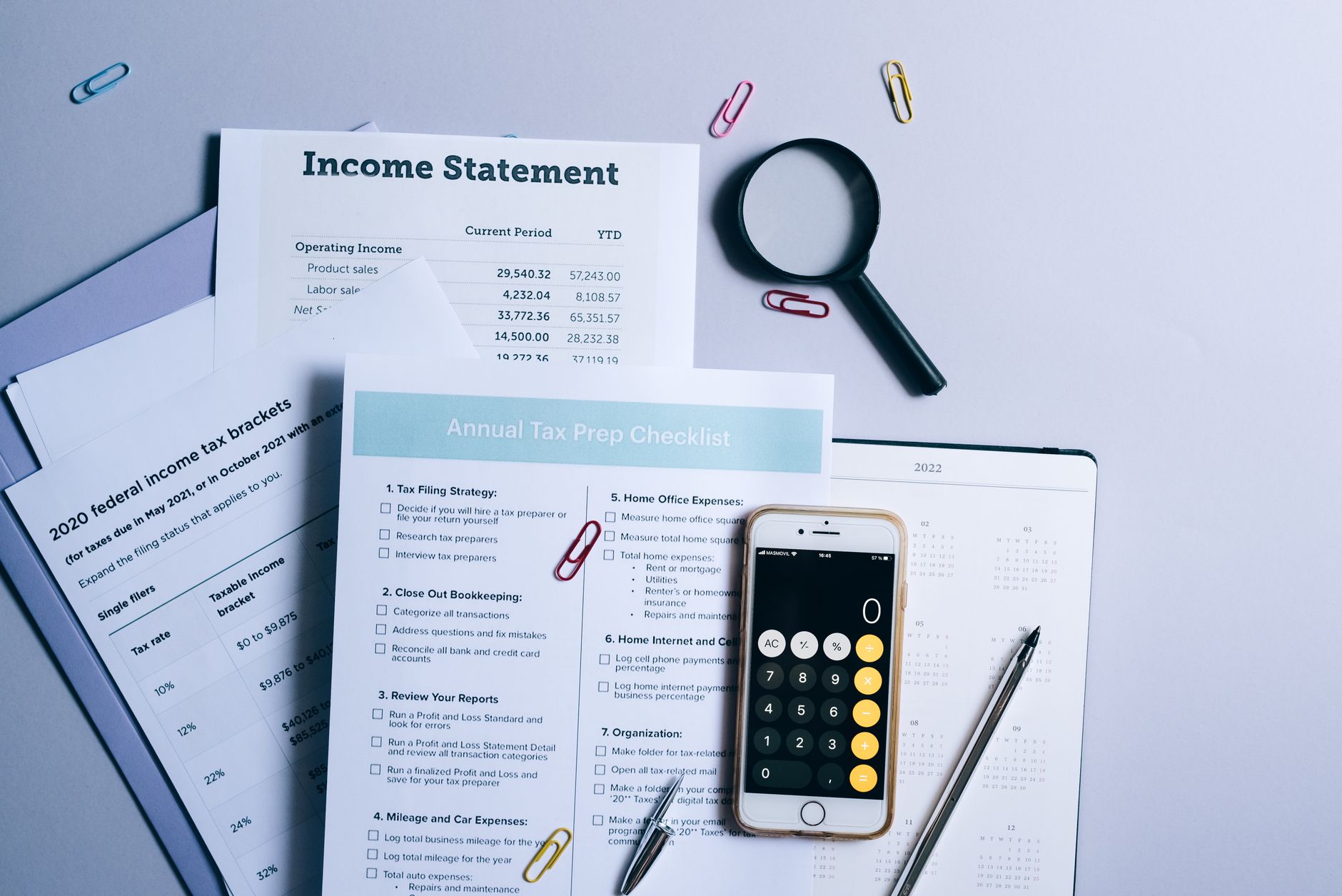
Selling assets like shares, property, or cryptocurrency during the financial year triggers capital gains tax obligations that must be properly reported in your income tax return. With the ITR filing deadline approaching, taxpayers who have engaged in such transactions need to understand the specific tax implications and reporting requirements to remain compliant.
Understanding Capital Gains Tax
Capital gains arise when you sell a capital asset at a price higher than its purchase cost. The tax treatment depends on the holding period and the nature of the asset. Assets are classified as either short-term or long-term based on how long you held them before selling, and this classification significantly impacts your tax liability.
For equity shares and equity mutual funds, holdings of more than 12 months qualify as long-term. For other assets like property, debt mutual funds, gold, and cryptocurrency, the threshold is 24 months for long-term classification.
Tax Rules for Share Sales
When you sell equity shares listed on recognized stock exchanges, the tax treatment varies based on the holding period and transaction volume.
Long-term capital gains from equity shares exceeding Rs 1.25 lakh in a financial year are taxed at 12.5 percent without indexation benefit. Short-term capital gains from equity shares are taxed at 20 percent. Securities Transaction Tax (STT) must have been paid on both purchase and sale for these concessional rates to apply.
- Report all share transactions in Schedule CG (Capital Gains) of your ITR
- Maintain detailed records of purchase dates, sale dates, quantities, and prices
- Include contract notes from your broker as supporting documentation
- Consider losses from some transactions against gains from others
Property Sale Tax Implications
Real estate transactions involve substantial capital gains considerations. When selling property held for more than 24 months, long-term capital gains tax of 12.5 percent applies without indexation benefit under current rules.
Short-term capital gains from property sales are added to your total income and taxed according to your applicable income tax slab rates, which can be significantly higher.
However, taxpayers can claim exemptions on long-term capital gains from property sales under specific conditions. Section 54 allows exemption if you invest the gains in another residential property within specified timelines. Section 54EC permits investment in specified bonds within six months of sale to claim exemption up to Rs 50 lakh.
Cryptocurrency and Digital Asset Taxation
Cryptocurrency has emerged as a popular investment avenue, but it comes with strict tax rules. From April 1, 2022, all income from transfer of virtual digital assets, including cryptocurrencies and NFTs, is taxed at a flat 30 percent rate under Section 115BBH.
- No deduction except the cost of acquisition is allowed
- Losses from crypto transactions cannot be set off against other income
- Losses cannot be carried forward to subsequent years
- TDS at 1 percent applies on crypto transactions exceeding specified thresholds
Taxpayers must maintain detailed records of all cryptocurrency transactions, including dates, quantities, purchase prices, and sale prices. Report these transactions in Schedule VDA (Virtual Digital Assets) of your ITR.
Essential Documentation and Reporting
Proper documentation is critical when reporting capital gains. Gather all relevant documents before beginning your ITR filing process.
For shares, collect contract notes, demat account statements, and bank statements showing transaction amounts. For property, maintain sale deeds, purchase agreements, payment receipts, and improvement cost documentation. For cryptocurrency, download transaction history from all exchanges you used.
Common Mistakes to Avoid
Many taxpayers inadvertently make errors when reporting capital gains. Failing to report all transactions, even those resulting in losses, can trigger notices from the tax department. The Income Tax Department receives transaction data from stock exchanges, property registrars, and crypto exchanges, making it essential to report accurately.
Incorrectly calculating the holding period, missing out on available exemptions, or choosing the wrong ITR form are other frequent mistakes. Ensure you select ITR-2 or ITR-3 as applicable, since ITR-1 cannot be used when you have capital gains to report.
Advance Tax Obligations
If your capital gains liability exceeds Rs 10,000 in a financial year, you must pay advance tax. Failure to pay advance tax attracts interest under Sections 234B and 234C. Consider your tax liability throughout the year and make timely advance tax payments to avoid interest charges.
This article provides general information about capital gains taxation and ITR filing requirements. Tax laws are subject to change, and individual circumstances vary. Consult a qualified tax professional or chartered accountant for advice specific to your financial situation before making tax-related decisions or filing your return.