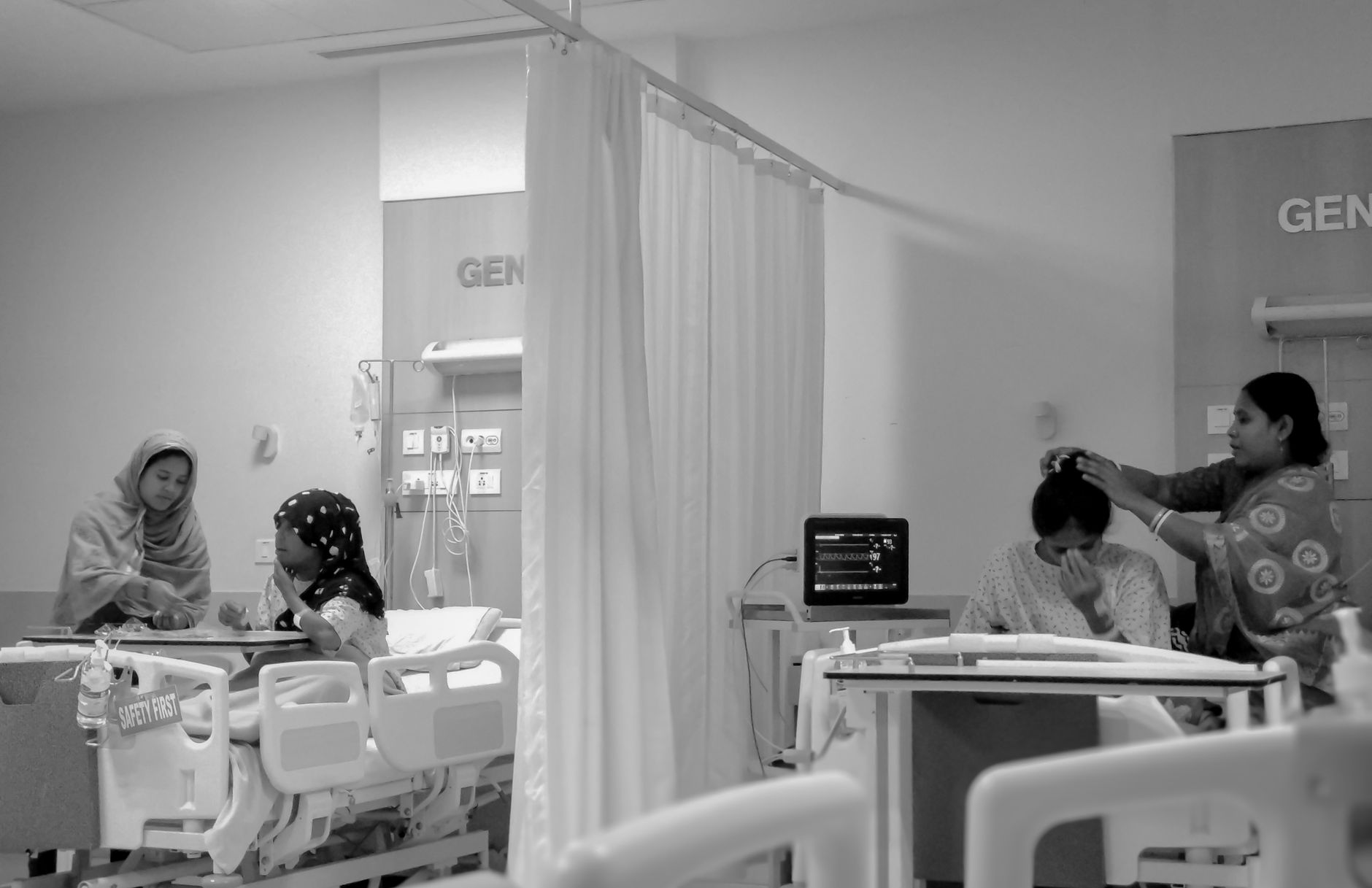
The concept of walking into a hospital and not encountering a billing counter might sound like a distant dream for most Indians, yet one innovative healthcare institution is turning this vision into reality. By expanding with four new super-specialty departments, this facility is demonstrating that alternative healthcare financing models can work at scale, potentially reshaping how we think about medical service delivery in India.
Understanding the No-Billing Counter Model
The traditional hospital experience in India typically involves multiple interactions with billing departments—during admission, before tests, after consultations, and at discharge. This no-billing-counter approach eliminates these touchpoints entirely, fundamentally rethinking the patient journey. Instead of fee-for-service transactions at every step, patients are covered through alternative financing mechanisms such as corporate tie-ups, insurance arrangements, or subscription-based models that are settled without direct patient involvement at the point of care.
This model mirrors successful international examples where healthcare access is separated from immediate payment concerns, reducing administrative burden and allowing medical staff to focus on care rather than collections. For employees of partner corporations, this means seamless access to medical services without the stress of upfront payments or reimbursement paperwork.
The Four New Super-Specialty Departments
The expansion into super-specialty care represents a significant evolution beyond basic healthcare services. Super-specialty departments typically include advanced fields such as cardiology, neurology, oncology, orthopedics, and gastroenterology—areas requiring sophisticated equipment, highly trained specialists, and comprehensive treatment protocols.
By extending the no-billing model to these complex, typically expensive medical services, the hospital is addressing one of healthcare's most challenging aspects: access to specialized care. Super-specialty treatments often involve substantial costs that can be financially devastating, even with insurance. Removing billing counters from this equation suggests a comprehensive approach to corporate healthcare benefits.
How Corporate Healthcare Partnerships Work
Corporate healthcare arrangements have been growing in India as companies recognize that employee health directly impacts productivity and retention. Under these partnerships, employers negotiate comprehensive healthcare packages with providers, paying either capitation fees (per employee regardless of usage) or negotiated rates for services rendered.
The no-billing-counter model likely operates through such corporate partnerships where:
- Companies pre-fund healthcare services for their employees
- Hospitals receive guaranteed payments through bulk arrangements
- Employees access care without individual transactions
- Administrative costs are reduced for all parties
This approach benefits corporations by simplifying health benefits administration while potentially reducing overall costs through predictable budgeting and improved employee health outcomes.
Advantages for Patients and Healthcare Providers
For patients, the elimination of billing counters offers several immediate benefits. The psychological stress of healthcare costs is substantially reduced during medical emergencies when families can focus entirely on patient recovery rather than financial arrangements. There's no need to arrange deposits, seek approvals for procedures, or navigate complex billing departments during already stressful times.
Healthcare providers also benefit from reduced administrative overhead. Billing and collections represent significant operational costs for hospitals, involving staff, infrastructure, and time. By eliminating point-of-service billing, hospitals can redirect these resources toward patient care, potentially improving quality while managing costs more effectively.
Challenges and Scalability Questions
While innovative, this model faces inherent challenges. It requires substantial capital and partnerships to operate without immediate patient payments. The model works best with stable corporate relationships and may not easily extend to unaffiliated individuals or small businesses without similar arrangements.
Quality control becomes crucial—without the discipline of individual patient payments, hospitals must maintain excellence through corporate accountability and outcomes monitoring. Additionally, the model must carefully manage utilization to prevent both overuse and rationing of services.
Implications for India's Healthcare Future
India's healthcare system faces enormous challenges balancing accessibility, affordability, and quality. Models like the no-billing-counter approach offer potential pathways, particularly for the employed middle class. If successful at scale across super-specialties, this could influence policy discussions around universal healthcare financing and inspire other private-sector innovations.
However, this remains a model primarily serving those with corporate employment, leaving questions about how similar benefits might extend to India's vast informal workforce and rural populations.
The expansion into super-specialty care signals confidence in the model's viability and suggests that simplified, pre-arranged healthcare financing can work even for complex medical services. As healthcare costs continue rising globally, such innovative approaches deserve attention as potential solutions to making quality care more accessible without the administrative burden that often compounds medical stress.
This article is for general informational purposes only and does not constitute medical or financial advice. Individuals should consult with healthcare providers and benefits administrators regarding their specific healthcare coverage options.