When India's athletes compete at major international sporting events like the Commonwealth Games, the spotlight typically falls on their performances and medal tallies. However, behind every successful campaign lies an equally critical mission: keeping the entire contingent healthy and competition-ready in unfamiliar environments.
Dr. Dinshaw Pardiwala, one of India's leading sports medicine specialists, recently shed light on the extensive medical preparations undertaken to safeguard Team India's health during the Commonwealth Games in Glasgow. His insights reveal the sophisticated medical infrastructure that modern sports teams require to compete at the highest level.
The Challenge of International Competition
Athletes traveling abroad face numerous health risks that can derail months or years of preparation. Change in climate, unfamiliar food, different water quality, jet lag, and exposure to new pathogens all create vulnerabilities. Respiratory infections like influenza spread easily in the close quarters of athlete villages, where hundreds of competitors from dozens of countries live in proximity.
For India's medical team, preventing illness outbreaks becomes as important as treating injuries. A single flu case can cascade through a contingent, potentially sidelining multiple athletes during crucial competition windows.
Preventive Medicine Takes Center Stage
The "no flu on our watch" approach represents a shift toward preventive rather than reactive medical care. This strategy involves multiple layers of protection implemented well before athletes board their flights.
Pre-departure preparations typically include comprehensive health screenings, vaccination updates, and immune system optimization through proper nutrition and supplementation. Athletes receive detailed briefings on hygiene protocols, sleep management across time zones, and recognizing early warning signs of illness.
On-Ground Medical Infrastructure
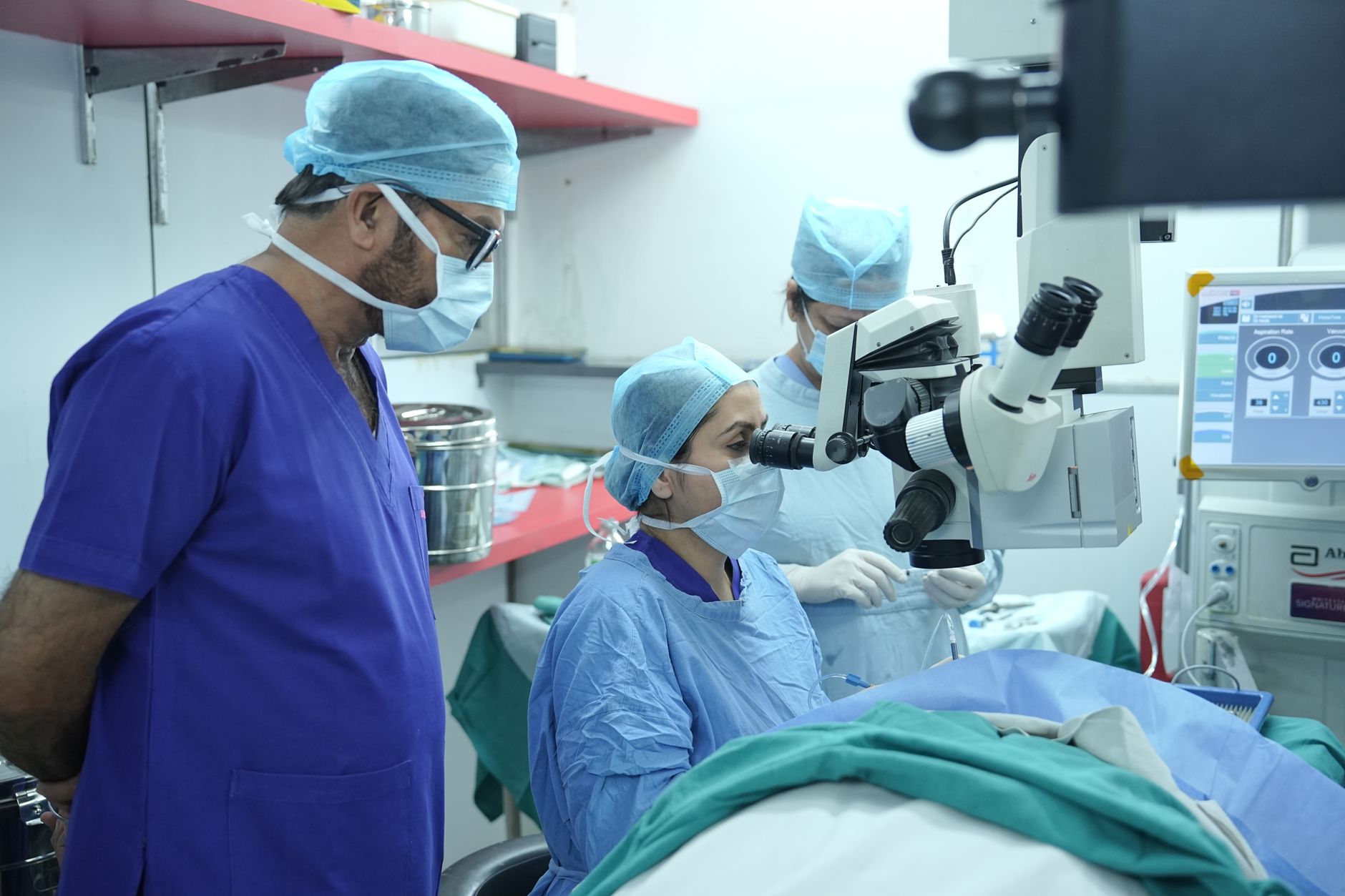
Once in Glasgow, India's medical team would have established a mini-hospital environment within the Games village. This includes:
- 24/7 medical surveillance and support systems
- Immediate access to diagnostic tools and testing equipment
- Stockpiles of medications and preventive supplements
- Isolation protocols for anyone showing illness symptoms
- Continuous monitoring of local health advisories and disease patterns
- Coordination with local healthcare facilities for emergencies
The medical staff doesn't work in isolation. They collaborate closely with physiotherapists, nutritionists, psychologists, and coaches to create an integrated support system addressing every aspect of athlete wellbeing.
Hygiene and Containment Protocols
Strict hygiene measures form the foundation of illness prevention. Athletes receive guidance on hand washing frequency, avoiding shared equipment when possible, and maintaining personal space in common areas. Dining areas require special attention, with medical teams often advising athletes on safe food choices and proper hydration.
When athletes share rooms, medical staff must balance team bonding with infection control. Strategic room assignments can limit exposure if someone does fall ill, and regular health checks help catch problems early.
The Physiological Approach
Beyond preventing infectious diseases, sports medicine teams focus on maintaining athletes' physiological readiness. This involves managing recovery between events, addressing minor injuries before they become major problems, and ensuring proper rest and nutrition.
Cold therapy, massage, stretching protocols, and recovery technologies all fall under the medical team's purview. The goal is keeping athletes at peak physical condition throughout the competition period, which can span several weeks.
Psychological Health Component
Modern sports medicine recognizes that mental health significantly impacts physical performance and immune function. Stress, anxiety, and sleep disturbances can weaken immune responses, making athletes more susceptible to illness.
Medical teams increasingly incorporate psychological support, stress management techniques, and sleep hygiene education into their protocols. Creating a supportive, low-stress environment helps athletes stay healthy and focused.
Data-Driven Decision Making
Contemporary sports medicine relies heavily on data analytics. Wearable technology tracks sleep patterns, heart rate variability, and activity levels. This information helps medical staff identify athletes showing signs of overtraining or declining health markers before symptoms appear.
Regular testing and monitoring create baselines for each athlete, making it easier to spot concerning deviations that might indicate developing illness or injury.
Lessons for Future Competitions
The comprehensive health protection systems developed for events like the Commonwealth Games represent best practices that continue evolving. Each major competition provides learning opportunities, with medical teams refining protocols based on what worked and what didn't.
As India continues developing its sports infrastructure and aiming for better performances at international events, the sophistication of medical support will remain a crucial competitive advantage. Healthy athletes compete better, and keeping them healthy requires expertise, planning, and resources that extend far beyond the playing field.