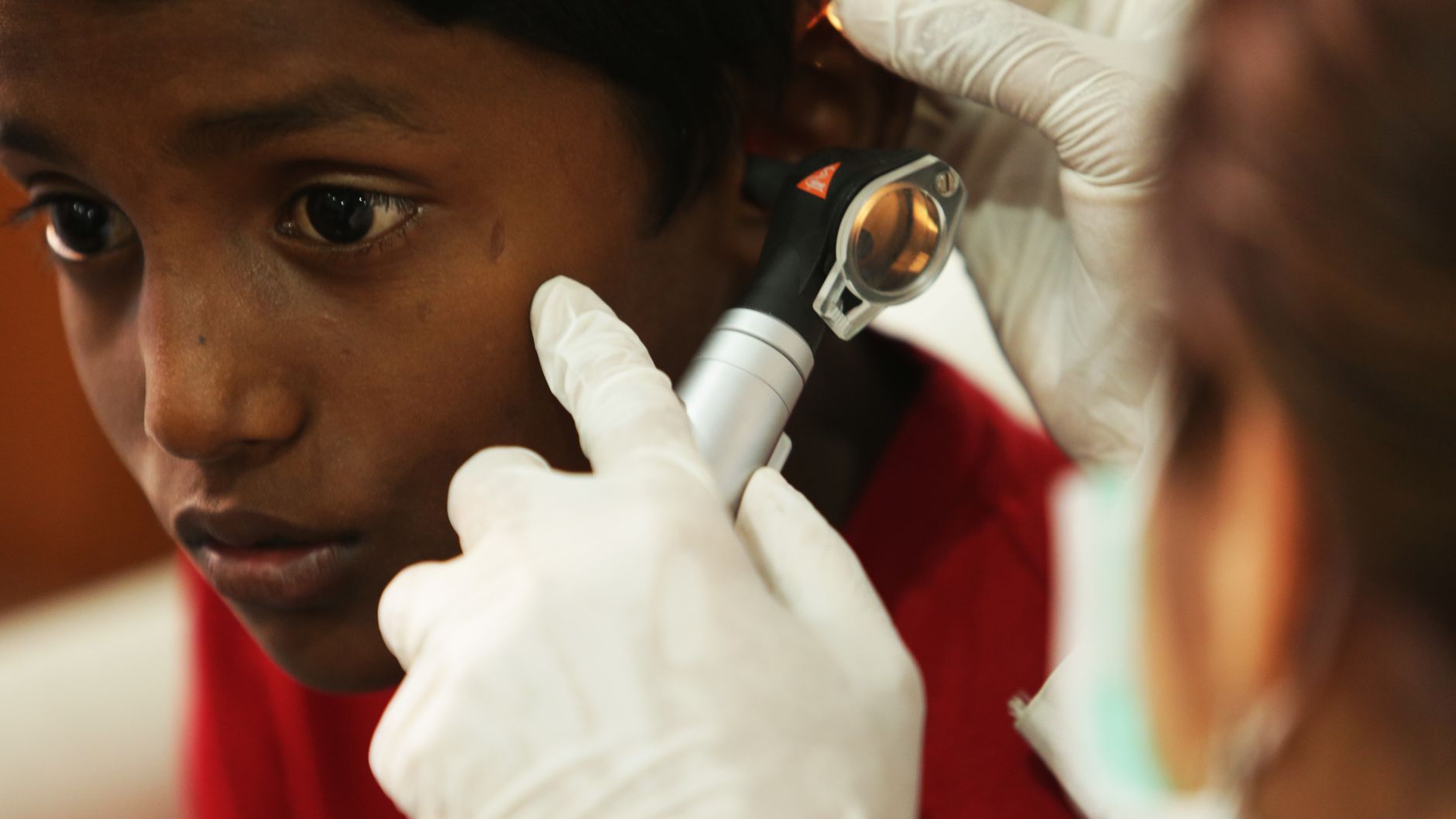
Viral hepatitis remains one of India's significant public health challenges, affecting millions of people across the country. The disease, which causes inflammation of the liver, comes in several forms—Hepatitis A, B, C, D, and E—each with different transmission routes and health implications. India's comprehensive approach to combating this silent epidemic involves prevention, awareness, treatment, and policy initiatives aligned with global health goals.
Understanding the Hepatitis Burden in India
India carries a substantial burden of viral hepatitis, particularly Hepatitis B and C, which are responsible for chronic liver disease, cirrhosis, and liver cancer. Estimates suggest that approximately 40 million people in India live with chronic Hepatitis B, while another 6-12 million are affected by Hepatitis C. These numbers represent not just a health crisis but also an economic challenge, as the disease predominantly affects working-age populations.
The transmission patterns vary across different types. Hepatitis A and E spread primarily through contaminated water and food, making them more prevalent in areas with poor sanitation. Hepatitis B and C transmit through blood and bodily fluids, often through unsafe medical procedures, contaminated needles, or from mother to child during birth.
National Viral Hepatitis Control Program
The Government of India launched the National Viral Hepatitis Control Program (NVHCP) as part of its commitment to eliminate viral hepatitis as a public health threat by 2030. This ambitious program aligns with the World Health Organization's global hepatitis elimination strategy.
Key components of this program include:
- Free screening and diagnostic facilities at government health centers
- Provision of affordable or free antiviral medications for Hepatitis B and C
- Vaccination programs for Hepatitis B, particularly for newborns and high-risk groups
- Capacity building and training of healthcare workers
- Public awareness campaigns about prevention and treatment
Prevention Strategies and Vaccination Efforts
Prevention remains the cornerstone of India's hepatitis control strategy. The universal immunization program includes Hepatitis B vaccination for all infants, with the birth dose being critical to prevent mother-to-child transmission. This single intervention has significantly reduced new infections among children born after the program's implementation.
Beyond infant vaccination, India has expanded coverage to include healthcare workers, family members of infected individuals, and other high-risk populations. Simultaneously, efforts to ensure safe blood transfusions, promote safe injection practices, and improve infection control in healthcare settings have helped reduce transmission rates.
Expanding Access to Treatment
One of India's significant achievements has been making hepatitis treatment more accessible and affordable. The introduction of direct-acting antivirals (DAAs) for Hepatitis C has revolutionized treatment, offering cure rates exceeding 95 percent with shorter treatment durations and fewer side effects compared to older therapies.
Through negotiations with pharmaceutical companies and promotion of generic drug manufacturing, India has dramatically reduced treatment costs. What once cost thousands of dollars is now available for a fraction of that price, making cure accessible to a much larger population.
Challenges in the Fight Against Hepatitis
Despite progress, several challenges persist in India's hepatitis elimination journey:
- Low awareness levels among the general population about hepatitis transmission, symptoms, and available treatments
- Asymptomatic nature of chronic hepatitis, leading to late diagnosis when liver damage is already advanced
- Gaps in screening coverage, particularly in rural and remote areas
- Stigma associated with the disease, preventing people from seeking testing and treatment
- Need for strengthened healthcare infrastructure and trained personnel in underserved regions
The Path Forward
India's strategy moving forward involves strengthening integrated testing and treatment services, leveraging existing health programs, and utilizing technology for better disease surveillance and management. Community-based screening camps, integration with primary healthcare services, and partnerships with private sector entities are expanding reach.
Digital health initiatives, including telemedicine consultations and online treatment monitoring, are helping bridge geographical barriers. Additionally, ongoing research into simplified diagnostic tools and point-of-care testing promises to make screening more accessible in resource-limited settings.
The emphasis on eliminating vertical transmission from mother to child, combined with continued vaccination coverage and treatment scale-up, positions India on a path toward meeting its 2030 elimination goals. Success will require sustained political commitment, adequate funding, continued community engagement, and coordination across various health programs.
This article is for general informational purposes only and should not be considered medical advice. If you have concerns about hepatitis or liver health, please consult qualified healthcare professionals for proper diagnosis and treatment.