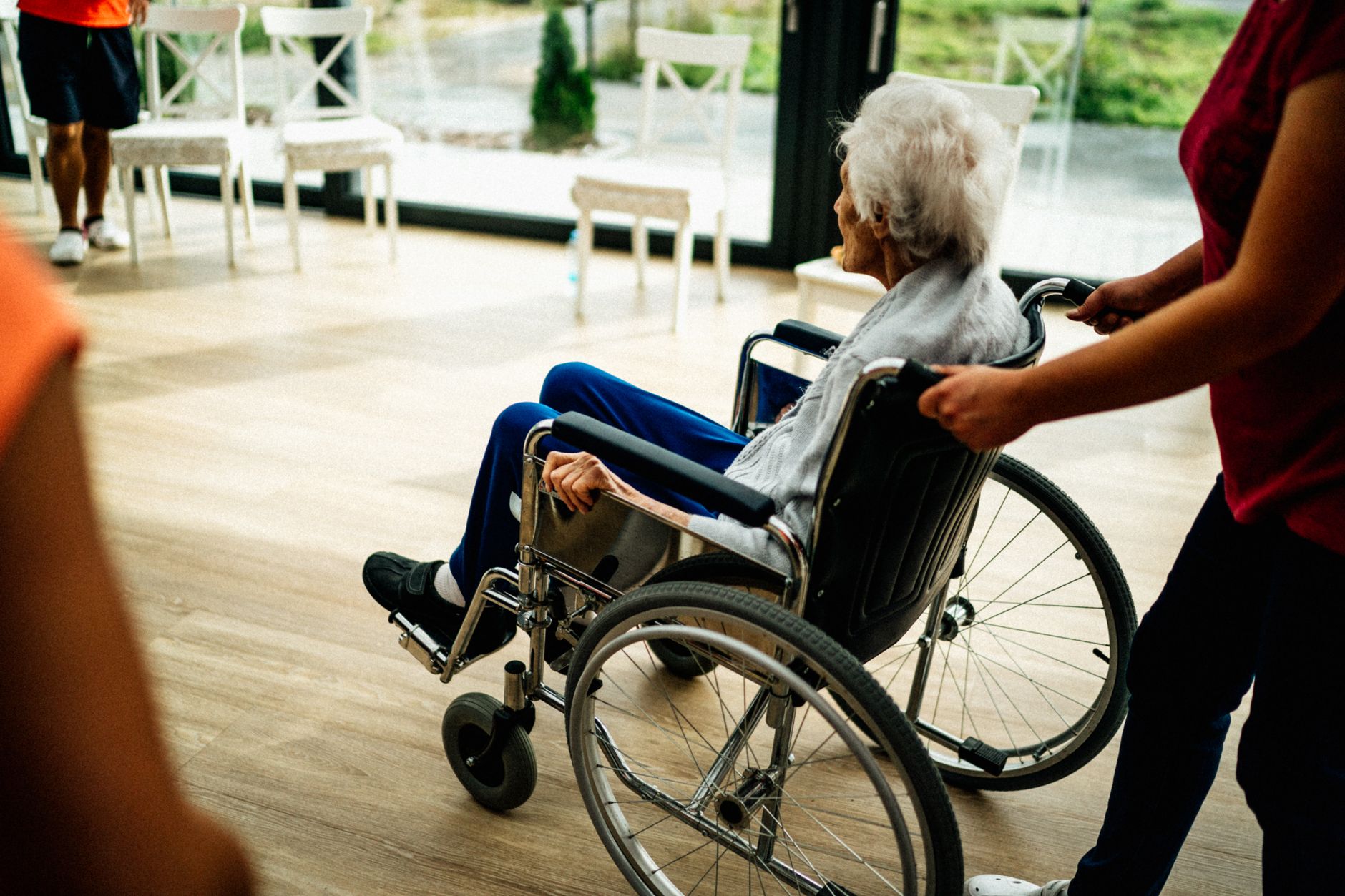
India stands at a demographic crossroads. While still considered a young nation, the country is experiencing rapid ageing that will fundamentally reshape its healthcare landscape. By 2050, approximately 20% of India's population will be above 60 years, up from around 10% today. This transformation demands a radical rethinking of how healthcare is delivered, with home-based care emerging as not just convenient but essential.
The Demographic Shift Underway
India's population pyramid is gradually inverting. Declining fertility rates and increasing life expectancy mean that the country will add roughly 200 million senior citizens over the next three decades. This isn't merely a statistical change but a profound social and economic transformation that touches every aspect of society, particularly healthcare infrastructure.
Unlike developed nations that aged gradually over a century, India is experiencing compressed demographic ageing. This rapid transition leaves little time for health systems, pension frameworks, and family structures to adapt organically.
Why Traditional Hospital-Centric Care Falls Short
The current healthcare model in India remains heavily hospital-centric, designed when the population was younger and health issues more acute than chronic. However, elderly populations face different challenges:
- Multiple chronic conditions requiring ongoing management rather than episodic treatment
- Mobility limitations making frequent hospital visits burdensome
- Higher risk of hospital-acquired infections due to weakened immunity
- Mental health challenges including loneliness and depression
- Medication management complexities with multiple prescriptions
Hospitals are expensive, often inaccessible to rural elderly, and ill-equipped for the long-term care coordination that ageing populations require. An 80-year-old with diabetes, hypertension, and arthritis needs consistent monitoring and lifestyle support, not just periodic hospital visits.
The Home Healthcare Advantage
Home-based healthcare offers multiple benefits that align perfectly with elderly care needs. Patients receive treatment in familiar, comfortable surroundings, reducing stress and anxiety. Family members can participate more actively in care decisions and daily health routines.
From a cost perspective, home healthcare significantly reduces expenses associated with hospital stays, transportation, and caregiver time away from work. Studies globally show that home care can cost 30-50% less than equivalent institutional care while delivering comparable or better outcomes for many conditions.
Building the Infrastructure for Home Healthcare
Several components must converge to make home-based healthcare viable at scale:
- Trained community health workers and home nurses who can deliver basic care, monitor vitals, and identify complications early
- Telemedicine platforms connecting patients with specialists without requiring travel
- Home diagnostic services bringing labs and imaging equipment to patients
- Mobile pharmacies ensuring medication delivery and adherence support
- Geriatric care managers coordinating between various healthcare providers
Technology plays an enabling role. Wearable devices can monitor heart rate, blood sugar, and activity levels continuously. Video consultations allow doctors to assess patients remotely. Digital health records ensure care continuity across providers.
Policy and Economic Considerations
The government has taken initial steps, with programs like Ayushman Bharat attempting to strengthen primary healthcare. However, dedicated policy frameworks for home healthcare remain underdeveloped. Insurance coverage for home-based services is limited, creating affordability barriers.
The private sector has responded faster, with numerous startups offering home healthcare services in urban areas. These range from doctor consultations and nursing care to physiotherapy and post-surgical recovery support. Yet geographic and economic disparities persist, with rural and low-income elderly having minimal access.
The Family Dimension
India's traditionally joint family system, where multiple generations lived together, is eroding with urbanization and migration. Nuclear families often lack the bandwidth to provide intensive elder care. Home healthcare services can bridge this gap, supporting families rather than replacing them entirely.
Training family members in basic caregiving, medication management, and emergency response becomes crucial. Respite care services that temporarily relieve family caregivers can prevent burnout and maintain care quality.
The Path Forward
Making healthcare accessible at home requires coordinated effort across government, private sector, insurance companies, and communities. Medical education must include geriatric specialization. Insurance products need redesign to cover preventive home care, not just hospitalization. Regulatory frameworks should ensure quality standards for home healthcare providers.
India's demographic destiny is clear. The question isn't whether the elderly population will grow but whether the nation prepares adequately to care for its senior citizens with dignity, accessibility, and affordability. Home-based healthcare isn't a luxury or alternative—it's the foundation upon which India must build its healthcare future.
This article provides general information about healthcare trends and should not be considered medical advice. Individuals should consult qualified healthcare professionals for personal medical decisions and treatment plans.