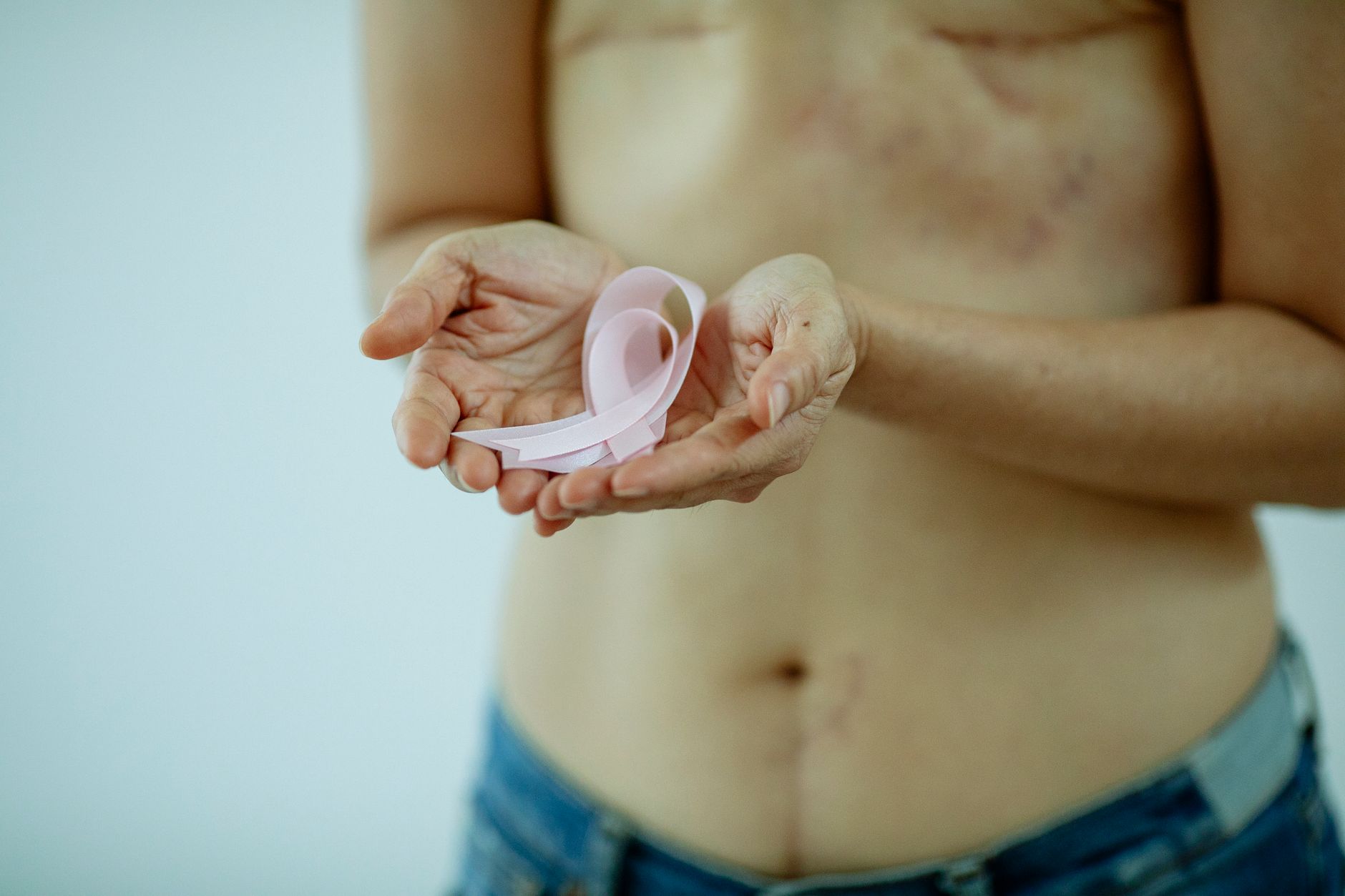
India has achieved a remarkable demographic milestone: women are now living longer than at any point in the nation's history. The average life expectancy for Indian women has climbed to approximately 72 years, a dramatic improvement from just 50 years in the 1970s. However, beneath this seemingly positive statistic lies a troubling reality that challenges our understanding of what longevity truly means.
The Quality of Life Gap
The fundamental issue is not how long Indian women are living, but how they are living those additional years. Research indicates that Indian women spend a significantly larger proportion of their lives in poor health compared to their counterparts in developed nations. While life expectancy has increased, health-span—the period of life spent in good health—has not kept pace.
Many Indian women in their later years battle multiple chronic conditions simultaneously. Diabetes, hypertension, arthritis, and cardiovascular diseases are increasingly common, yet often poorly managed. The result is decades spent not in active, fulfilling retirement, but in a state of persistent illness and dependency.
Healthcare Access Remains Elusive
Despite India's economic growth, healthcare access for women, particularly elderly women, remains inadequate. Several factors contribute to this:
- Rural areas often lack basic healthcare infrastructure and specialists
- Out-of-pocket healthcare expenses can be financially devastating for families
- Preventive health screenings are frequently neglected or unavailable
- Women's health issues are often deprioritized within family healthcare spending decisions
The healthcare system itself is ill-equipped to handle the specific needs of aging women. Geriatric care remains an underdeveloped specialty in India, and conditions particularly affecting older women—such as osteoporosis, urinary incontinence, and menopause-related issues—receive insufficient attention in medical training and practice.
Nutritional Deficits Across the Lifespan
The health challenges faced by older Indian women often have roots in lifelong nutritional deficiencies. Cultural practices that prioritize feeding male family members first, combined with poverty and food insecurity, mean many women grow up undernourished. This childhood malnutrition has lasting consequences that manifest as chronic diseases in later life.
Anemia affects a staggering percentage of Indian women across all age groups. Calcium deficiency leads to weakened bones and higher fracture rates in old age. These deficiencies, accumulated over decades, create a health burden that modern medicine struggles to reverse.
Social Isolation and Mental Health
Longevity without social support creates another dimension of suffering. Widowhood is common among elderly women, and traditional joint family structures are eroding in urban areas. Many older women find themselves isolated, either living alone or functionally isolated within households where younger family members are preoccupied with work and nuclear family concerns.
Mental health issues, including depression and anxiety, are widespread but rarely diagnosed or treated. The stigma surrounding mental health care, combined with the misconception that sadness is a natural part of aging, means countless women suffer in silence.
Economic Vulnerability in Old Age
Financial insecurity compounds health challenges. Many Indian women have limited or no independent income in old age, having spent their lives in unpaid domestic labor. Without adequate pension coverage or savings, they depend entirely on family support. This economic vulnerability directly impacts their ability to access healthcare and maintain dignity in their later years.
The Path Forward
Addressing this crisis requires comprehensive reforms across multiple sectors. Strengthening public healthcare infrastructure, particularly in rural areas, must be a priority. Geriatric care needs to be integrated into medical education and practice. Pension and social security systems must extend meaningful coverage to women who worked in informal sectors or as homemakers.
Equally important is shifting cultural attitudes. Families and society must recognize that caring for elderly women goes beyond basic survival needs—it includes ensuring their physical comfort, mental wellbeing, and social engagement.
Public health initiatives must focus on preventive care throughout women's lives, addressing nutritional deficiencies early and promoting regular health screenings. Only by improving health-span alongside lifespan can India truly celebrate the longevity of its women.
The current situation represents a hollow achievement. Living longer while suffering more is not progress; it is a healthcare crisis disguised as demographic success. Until India addresses the quality of those additional years, increased longevity remains a bittersweet milestone.
This article is for general informational purposes only and should not be considered medical advice. Readers should consult qualified healthcare professionals for personal health concerns and treatment options.