India is set to host the 16th BRICS Health Ministers' meeting in Chandigarh, marking an important moment in the country's diplomatic calendar and its commitment to strengthening healthcare cooperation among emerging economies. The three-day event, scheduled from July 22 to 24, will bring together health ministers and senior officials from Brazil, Russia, India, China, and South Africa, alongside newer members of the expanded BRICS grouping.
Understanding BRICS and Its Health Platform
BRICS represents a coalition of major emerging economies that collectively account for approximately 42 percent of the world's population and nearly a quarter of global GDP. The health ministers' meetings serve as a crucial platform for these nations to coordinate policies, share best practices, and develop joint responses to common health challenges. Given that BRICS countries face similar healthcare infrastructure needs and disease burdens, these collaborative forums have become increasingly significant in shaping global health priorities from a developing nation perspective.
Key Areas of Discussion
The meeting is expected to focus on several critical areas of mutual concern. Primary among these is strengthening healthcare systems to ensure universal health coverage, a goal that all BRICS nations are working toward despite varying levels of progress. The ministers will likely discuss strategies for improving primary healthcare access, particularly in rural and underserved areas where BRICS countries face common challenges.
Antimicrobial resistance represents another urgent topic on the agenda. With BRICS nations accounting for a significant portion of global antibiotic consumption, coordinated action on developing surveillance systems, promoting rational use of antibiotics, and investing in new drug development becomes essential.
The meeting will also address preparedness for future health emergencies and pandemics. The COVID-19 pandemic highlighted both the vulnerabilities in global health systems and the importance of cooperation among nations. BRICS countries played crucial roles during the pandemic, from vaccine development and manufacturing to sharing treatment protocols and medical supplies.
India's Healthcare Priorities
As the host nation, India is likely to showcase its achievements in digital health infrastructure, particularly the Ayushman Bharat Digital Mission and the CoWIN platform that facilitated one of the world's largest vaccination drives. India's emphasis on traditional medicine systems, particularly Ayurveda and Yoga, may also feature in discussions about integrative healthcare approaches.
India has been increasingly positioning itself as the "pharmacy of the world," producing affordable generic medicines and vaccines for developing countries. The meeting provides an opportunity to discuss collaboration on pharmaceutical manufacturing, drug price regulation, and ensuring equitable access to essential medicines across BRICS nations.
Significance of Chandigarh as the Venue
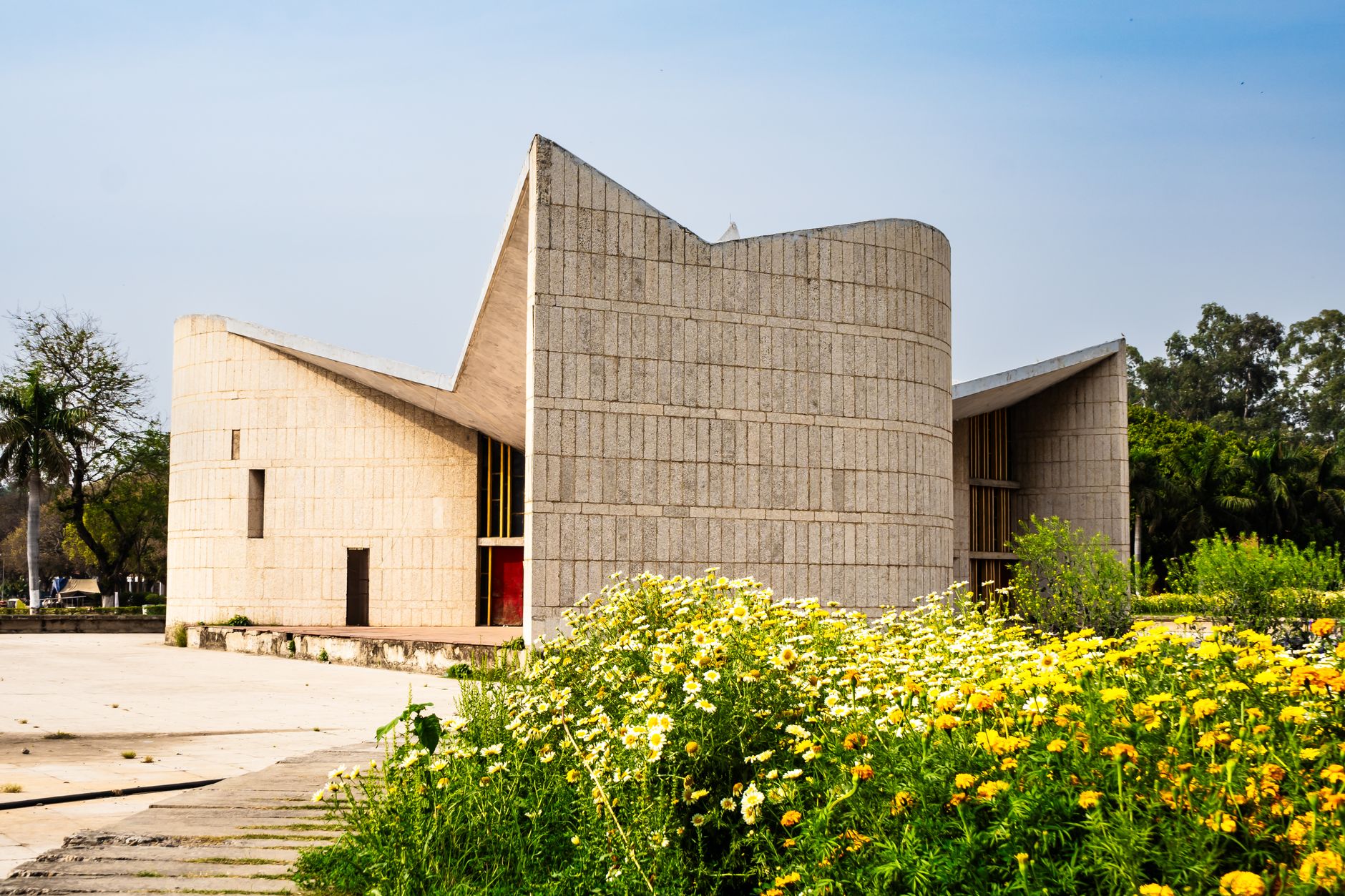
The choice of Chandigarh as the host city is noteworthy. As a planned city with modern healthcare facilities and educational institutions like the Post Graduate Institute of Medical Education and Research, Chandigarh exemplifies India's progress in building healthcare infrastructure. The city's well-organized layout and facilities make it an ideal location for hosting international delegations.
Potential Outcomes and Collaborations
The meeting is expected to produce a joint declaration outlining areas of cooperation and specific action points. These typically include commitments to sharing health data, conducting joint research on diseases of common concern, facilitating the exchange of health professionals for training, and establishing mechanisms for emergency medical assistance among member countries.
One area of growing interest is collaborative research in areas such as tuberculosis, diabetes, and cardiovascular diseases, which impose significant burdens on BRICS populations. Joint clinical trials and sharing of research findings could accelerate the development of affordable treatments tailored to the genetic and environmental factors common in these regions.
Looking Ahead
As BRICS expands to include new members, the health ministers' platform becomes even more significant. The collective purchasing power and manufacturing capabilities of these nations could reshape global health governance, particularly in negotiations around intellectual property rights for medicines and equitable distribution of health technologies.
The Chandigarh meeting represents more than a routine diplomatic gathering; it signals the growing influence of emerging economies in shaping global health priorities. For India, successfully hosting this event reinforces its leadership role within BRICS and its commitment to South-South cooperation in healthcare. The outcomes of these discussions could have far-reaching implications for millions of people across the member nations and beyond.