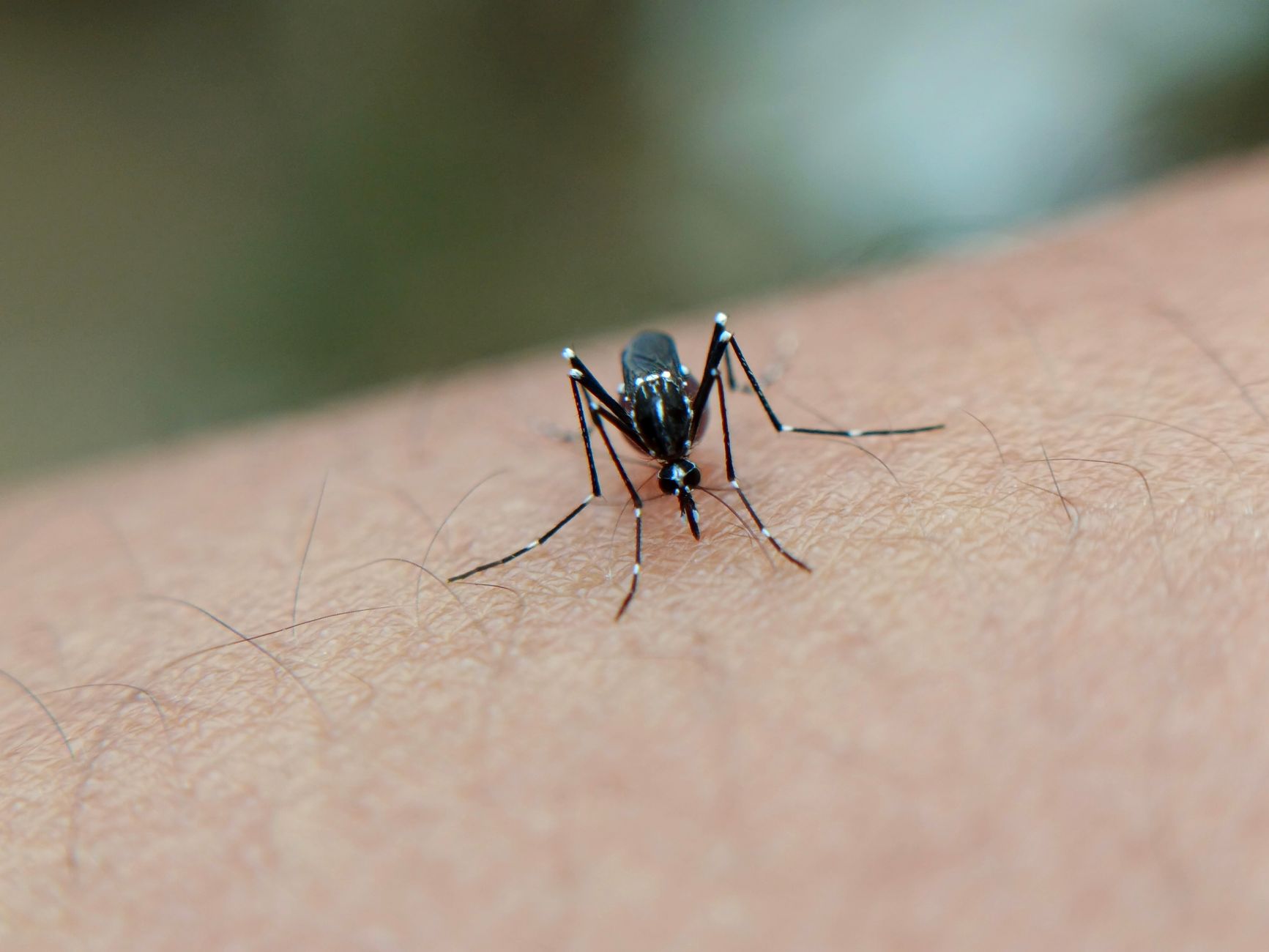
India recorded over 94,000 dengue cases in 2023, though health experts believe the actual number is far higher due to underreporting. The mosquito-borne viral infection causes severe flu-like symptoms and can progress to life-threatening complications. After years of reliance on mosquito control measures alone, India now has access to an approved dengue vaccine, but the question remains: how should the country deploy it effectively?
The Dengue Burden in India
Dengue fever has emerged as one of India's most pressing vector-borne diseases over the past two decades. The infection, transmitted by Aedes mosquitoes, manifests with high fever, severe headache, joint and muscle pain, and in serious cases, hemorrhagic fever that can be fatal. Children and those with repeated infections face heightened risks.
Urban areas with dense populations and inadequate sanitation infrastructure serve as breeding grounds for the Aedes aegypti mosquito. Cities like Delhi, Mumbai, Bengaluru, and Chennai report seasonal outbreaks, typically peaking during and after monsoon months. The disease imposes significant economic costs through medical expenses, lost productivity, and strain on healthcare infrastructure.
Understanding the Vaccine Options
Two dengue vaccines have received regulatory approval globally. The first, Dengvaxia, is recommended only for individuals who have already had a previous dengue infection, as it can increase severity in dengue-naive people. The second, Qdenga, has a broader indication and can be given to individuals regardless of prior infection status.
India's drug regulator has approved Qdenga for use in individuals aged four to sixty years. The vaccine requires two doses administered three months apart and targets all four dengue serotypes. Clinical trials have shown it reduces hospitalization rates and severe disease, though protection varies by serotype and previous infection history.
The Strategy Gap
Having a vaccine available and implementing an effective vaccination program are two different challenges. Several strategic questions need addressing:
- Who should receive priority vaccination: high-risk urban areas, children in dengue-prone regions, or broader population groups?
- How will the vaccine be financed: through government programs, insurance coverage, or out-of-pocket payments?
- What surveillance systems are needed to track vaccine effectiveness and disease patterns?
- How can public awareness campaigns combat misinformation and vaccine hesitancy?
- What role will the private healthcare sector play in vaccine distribution?
Learning from Other Nations
Countries like Brazil, Singapore, and the Philippines have implemented dengue vaccination programs with varying approaches. Brazil initially focused on high-burden municipalities, while Singapore targeted specific age groups in endemic areas. These experiences offer valuable lessons about targeting strategies, public communication, and integration with existing mosquito control programs.
The key learning is that vaccination must complement, not replace, vector control measures. Eliminating mosquito breeding sites, using insecticides judiciously, and community participation in sanitation remain essential components of dengue prevention.
Implementation Challenges
India faces unique obstacles in rolling out a dengue vaccination strategy. The country's vast geography, diverse healthcare infrastructure across states, and varying disease burden patterns require a flexible, localized approach rather than a one-size-fits-all solution.
Cost considerations are significant. While the private market price may be accessible to middle-class families, ensuring equitable access for vulnerable populations requires government subsidization or inclusion in immunization programs. The existing Universal Immunization Programme infrastructure could potentially support dengue vaccine delivery, but would need expansion and resource allocation.
Cold chain requirements, healthcare worker training, and monitoring systems for adverse events all require investment and planning. Additionally, accurate disease surveillance data is essential for identifying priority areas and measuring program success.
The Path Forward
Public health experts suggest a phased approach. Initial rollout could target high-burden urban centers with robust healthcare infrastructure, allowing authorities to refine delivery mechanisms and gather real-world effectiveness data. Simultaneous investment in disease surveillance would help identify additional priority areas for expansion.
Community engagement and transparent communication about vaccine benefits and limitations are crucial. Building public trust requires addressing concerns, providing clear information about who should receive the vaccine, and managing expectations about protection levels.
Integration with existing health programs, collaboration between central and state governments, and partnerships with private healthcare providers could accelerate coverage while maintaining quality standards.
This article is for general informational purposes only and should not be considered medical advice. Consult qualified healthcare professionals for guidance on dengue prevention, vaccination eligibility, and treatment options specific to your circumstances.