India's healthcare transformation is gaining momentum as the country deploys a dual strategy combining grassroots community healthcare workers with cutting-edge digital technology. This approach aims to address persistent challenges in healthcare access, particularly in rural and remote regions where nearly 65 percent of the population resides.
The Community Healthcare Model
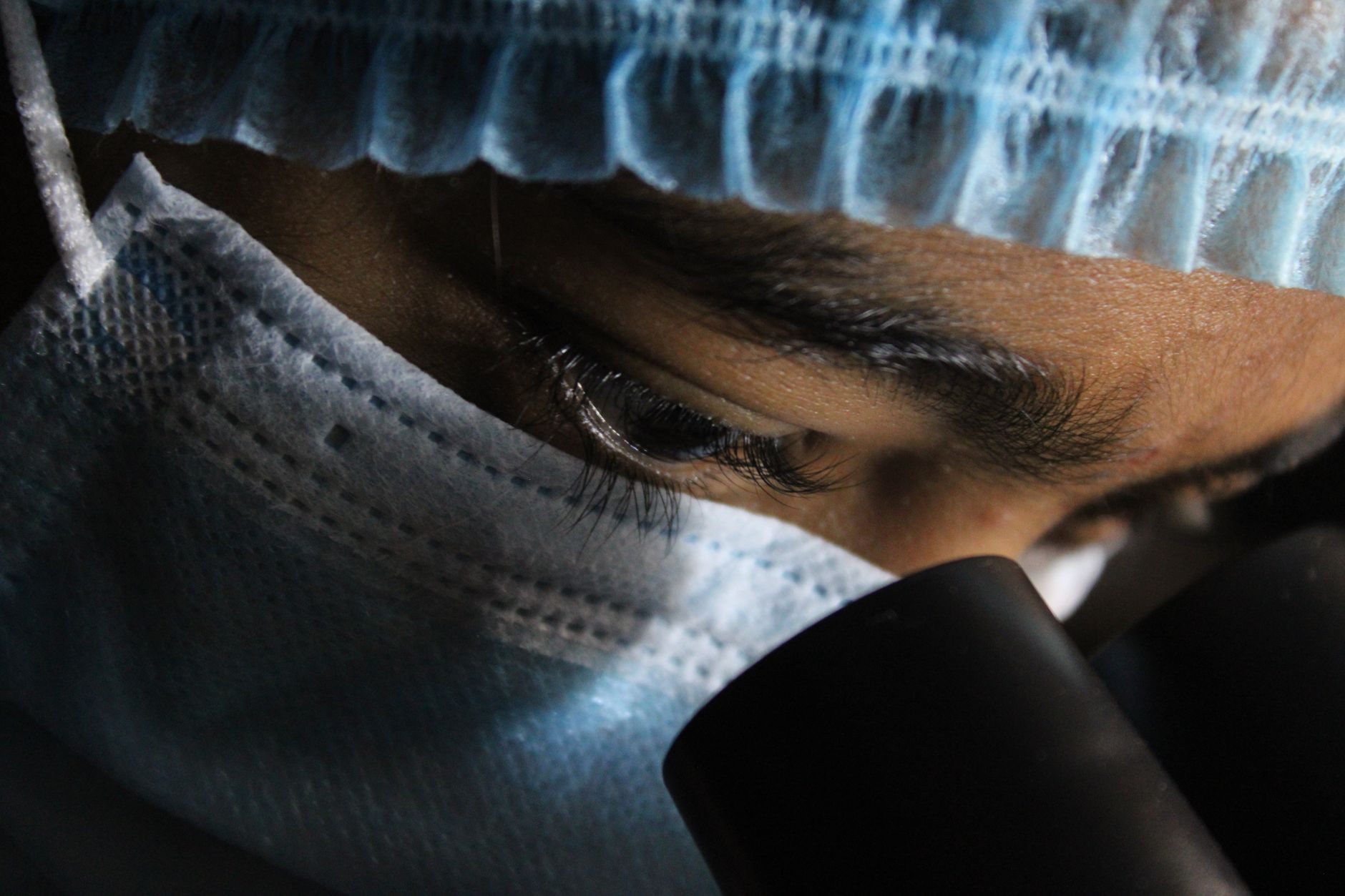
At the heart of India's healthcare expansion lies an army of community health workers, including Accredited Social Health Activists (ASHAs) and Auxiliary Nurse Midwives (ANMs). These frontline workers serve as the crucial link between rural communities and the formal healthcare system, providing basic medical care, health education, and referrals to higher-level facilities.
Community health workers typically operate within their own villages or neighborhoods, making them uniquely positioned to understand local health challenges and cultural sensitivities. They conduct door-to-door visits, organize health camps, and facilitate immunization drives, ensuring that essential healthcare reaches even the most isolated households.
Digital Health Infrastructure
The digital revolution in Indian healthcare is transforming service delivery through several key initiatives. The Ayushman Bharat Digital Mission forms the backbone of this transformation, creating a unified digital health ecosystem that connects patients, healthcare providers, and government facilities.
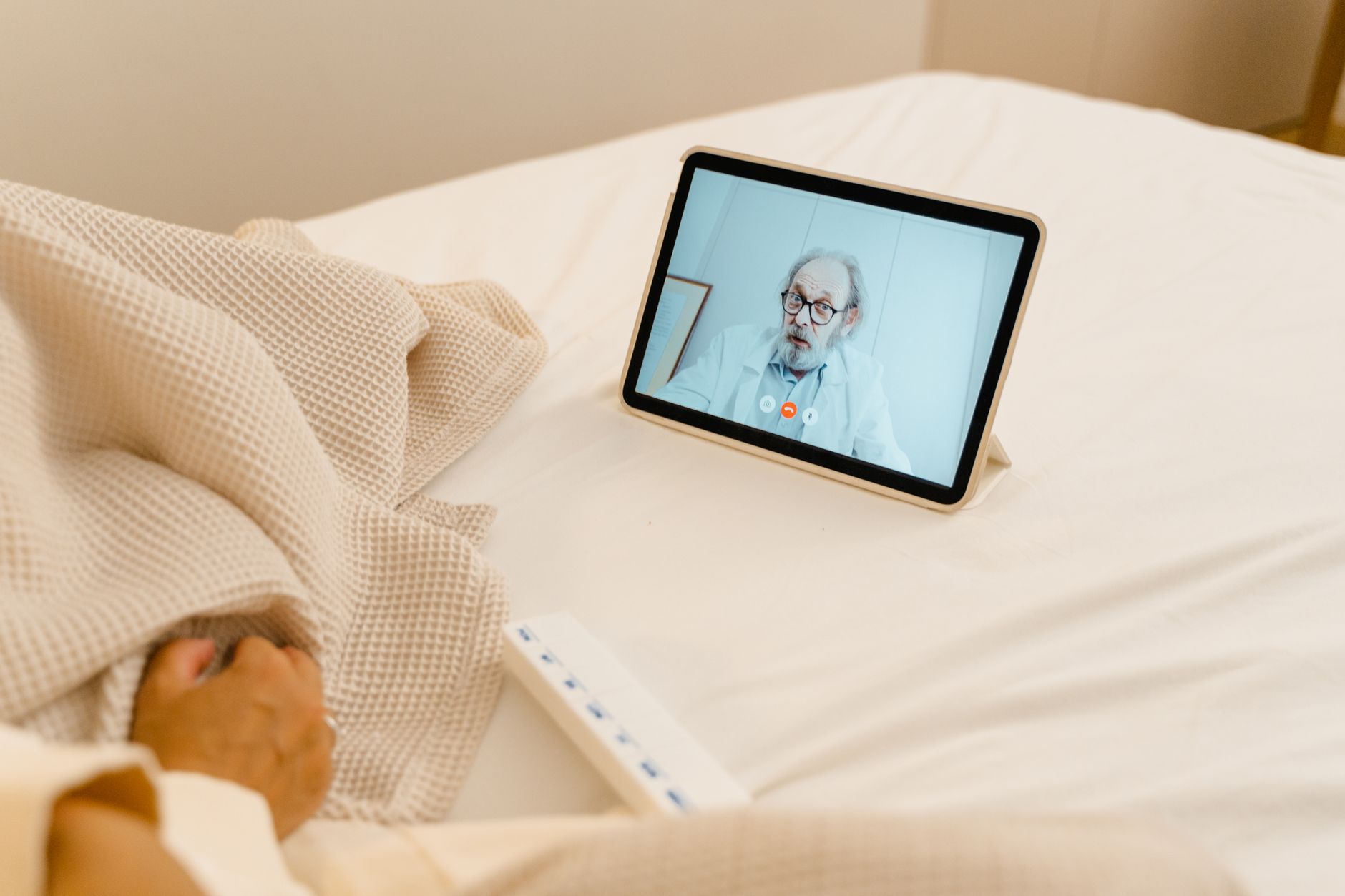
Telemedicine platforms have emerged as game-changers, particularly during and after the pandemic. Through e-Sanjeevani and similar services, patients in remote areas can now consult with specialists located hundreds of kilometers away, eliminating the need for expensive and time-consuming travel. These platforms handle millions of consultations monthly, covering a wide range of medical conditions from routine check-ups to specialized care.
Mobile Health Applications
Smartphone penetration across India has enabled the proliferation of health applications that provide various services:
- Health record management allowing patients to maintain digital copies of prescriptions and test reports
- Medication reminders and health tracking features
- Doctor appointment booking systems
- Online pharmacy services delivering medicines to doorsteps
- AI-powered symptom checkers offering preliminary health assessments
Integration of Traditional and Modern Medicine
India's healthcare expansion strategy uniquely incorporates AYUSH (Ayurveda, Yoga, Unani, Siddha, and Homeopathy) systems alongside allopathic medicine. This integrated approach respects cultural preferences while expanding the pool of available healthcare practitioners, particularly important in areas where modern medical doctors are scarce.
Addressing Urban-Rural Healthcare Divide
The combination of community and digital services specifically targets the stark disparities between urban and rural healthcare access. While cities boast advanced hospitals and specialist doctors, rural areas have historically struggled with basic healthcare availability. Digital platforms help redistribute medical expertise, enabling rural health centers to access specialist consultations remotely.
Health and Wellness Centers, upgraded versions of primary health facilities, now offer comprehensive primary care including screenings for non-communicable diseases, maternal and child health services, and free essential medicines. These centers increasingly integrate digital tools for patient record management and teleconsultations.
Challenges and Solutions
Despite progress, several challenges remain. Internet connectivity issues in remote areas can hamper digital health services, though government initiatives to expand broadband infrastructure are gradually addressing this gap. Digital literacy among older populations and less educated communities requires ongoing training programs.
The quality and standardization of community health workers' training continues to evolve, with digital platforms now providing ongoing education and support. Regular refresher courses and supervision through mobile applications help maintain service quality.
Financial Accessibility
The Ayushman Bharat Pradhan Mantri Jan Arogya Yojana, the world's largest health insurance scheme, complements access initiatives by providing financial protection to over 500 million vulnerable individuals. This ensures that improved access does not remain theoretical due to affordability barriers.
Future Trajectory
India's healthcare access expansion represents a scalable model that other developing nations are studying. The synergy between human touch through community workers and technological reach through digital platforms creates a sustainable framework for universal health coverage.
As artificial intelligence and machine learning capabilities advance, predictive analytics will enable proactive health interventions, identifying disease outbreaks early and targeting preventive care to high-risk populations. The convergence of genomic medicine, personalized treatment protocols, and accessible delivery mechanisms promises to further revolutionize healthcare outcomes.
This article provides general information about healthcare developments in India and should not be considered medical advice. For specific health concerns, always consult qualified healthcare professionals.