India has taken a significant step forward in combating dengue fever with the approval of its first dengue vaccine. The Drug Controller General of India (DCGI) has greenlit Takeda's Qdenga for use in individuals between 4 and 60 years of age, marking a potential turning point in the fight against this mosquito-borne disease that affects millions of Indians annually.
Understanding Dengue in India
Dengue fever remains one of India's most pressing public health challenges. The disease, transmitted by Aedes mosquitoes, causes high fever, severe body pain, headaches, and in severe cases can lead to dengue hemorrhagic fever or dengue shock syndrome, both potentially fatal. India reports hundreds of thousands of dengue cases each year, with numbers often peaking during and after monsoon seasons when mosquito breeding intensifies.
The disease burden is particularly heavy in urban and semi-urban areas where stagnant water accumulation provides ideal breeding grounds for mosquitoes. Despite ongoing vector control measures and public awareness campaigns, dengue continues to strain healthcare systems and cause significant morbidity.
What is Qdenga?
Qdenga is a live-attenuated tetravalent dengue vaccine, meaning it protects against all four serotypes of the dengue virus (DENV-1, DENV-2, DENV-3, and DENV-4). This is crucial because infection with one serotype does not provide immunity against the others, and subsequent infections with different serotypes can actually increase the risk of severe dengue.
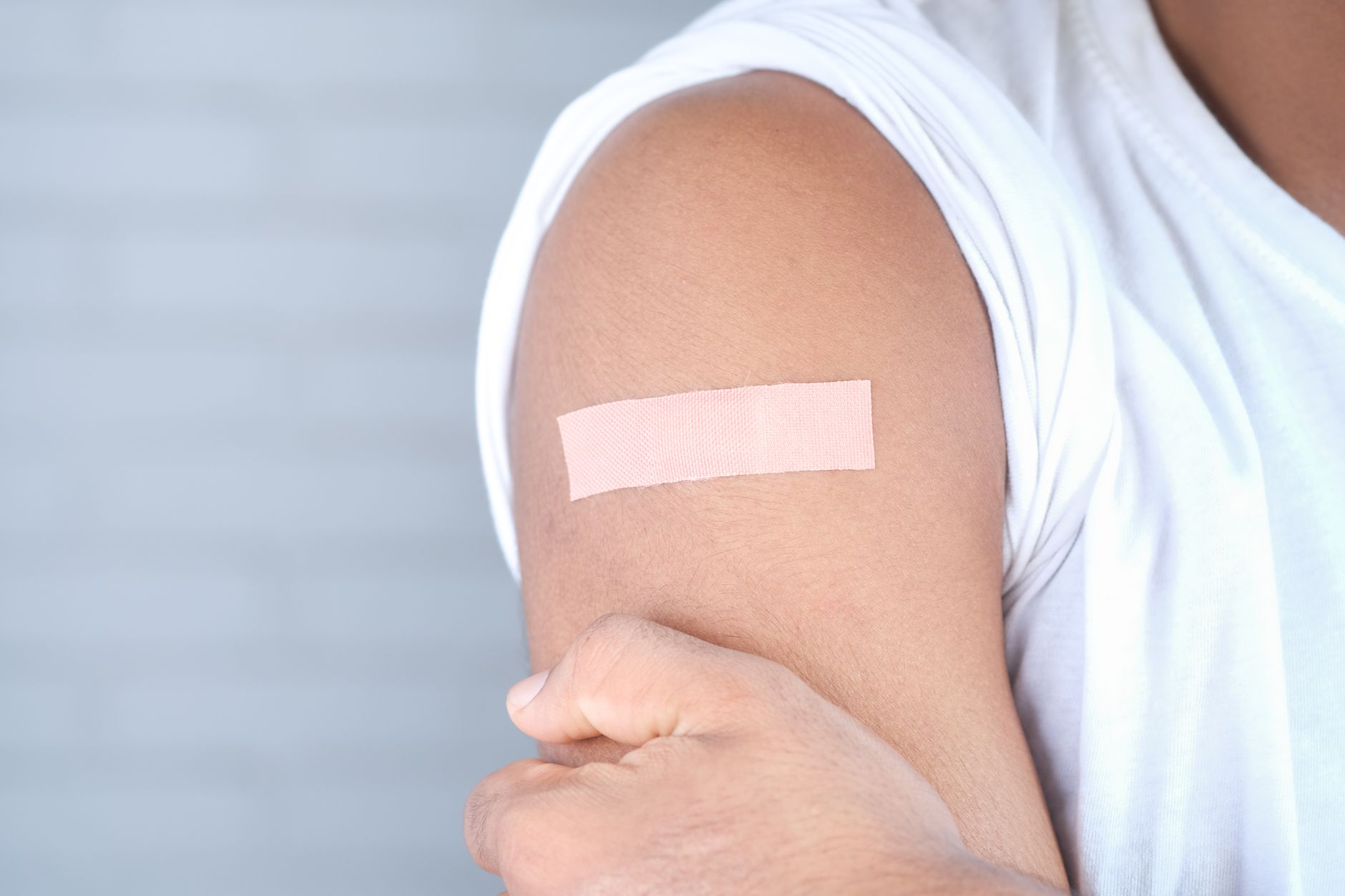
The vaccine is administered as a two-dose regimen, with doses given three months apart. It works by introducing weakened forms of the virus that stimulate the immune system to build protection without causing the disease itself.
How Qdenga Differs from Previous Approaches
This approval is particularly noteworthy because it represents the first dengue vaccine cleared for use in India. While another dengue vaccine exists globally, its use has been restricted due to safety concerns in people who have never been infected with dengue before. Qdenga has been developed with a different approach and has shown efficacy in both previously infected and dengue-naive individuals, making it suitable for broader population use.
The vaccine has already been approved in several other countries, including those in the European Union, Indonesia, Thailand, and Brazil, where real-world experience has been accumulating.
Expected Impact and Accessibility
The approval of Qdenga could potentially reduce the significant disease burden dengue places on Indian families and healthcare systems. Prevention through vaccination is generally more cost-effective than treating dengue cases, particularly severe ones requiring hospitalization.
However, key questions remain about accessibility and affordability. Vaccine pricing, inclusion in government immunization programs, and distribution strategies will determine how many people can actually benefit from this breakthrough. Private healthcare facilities are likely to offer the vaccine first, but public health experts will be watching to see if and how it gets incorporated into broader public health initiatives.
Who Should Consider the Vaccine?
The approved age range of 4 to 60 years covers a significant portion of the population most affected by dengue. Parents of young children living in dengue-endemic areas may particularly want to discuss vaccination with their pediatricians. Similarly, adults who have previously experienced dengue or live in high-risk areas should consult healthcare providers about whether vaccination is appropriate for them.
Certain groups may need to exercise caution or avoid the vaccine, including pregnant women, people with severely compromised immune systems, or those with specific allergies. Individual medical consultation is essential before getting vaccinated.
The Road Ahead
While vaccine approval is a major milestone, it is not a silver bullet. Dengue prevention will continue to require a multi-pronged approach including mosquito control, elimination of breeding sites, use of protective measures like mosquito nets and repellents, and prompt medical care for suspected cases.
The introduction of Qdenga adds a powerful new tool to India's dengue prevention arsenal, but its ultimate impact will depend on implementation strategy, uptake rates, and continued public health vigilance.
This article is for general information purposes only and should not be considered medical advice. Please consult with a qualified healthcare provider to determine if dengue vaccination is appropriate for you or your family members based on individual health status and risk factors.