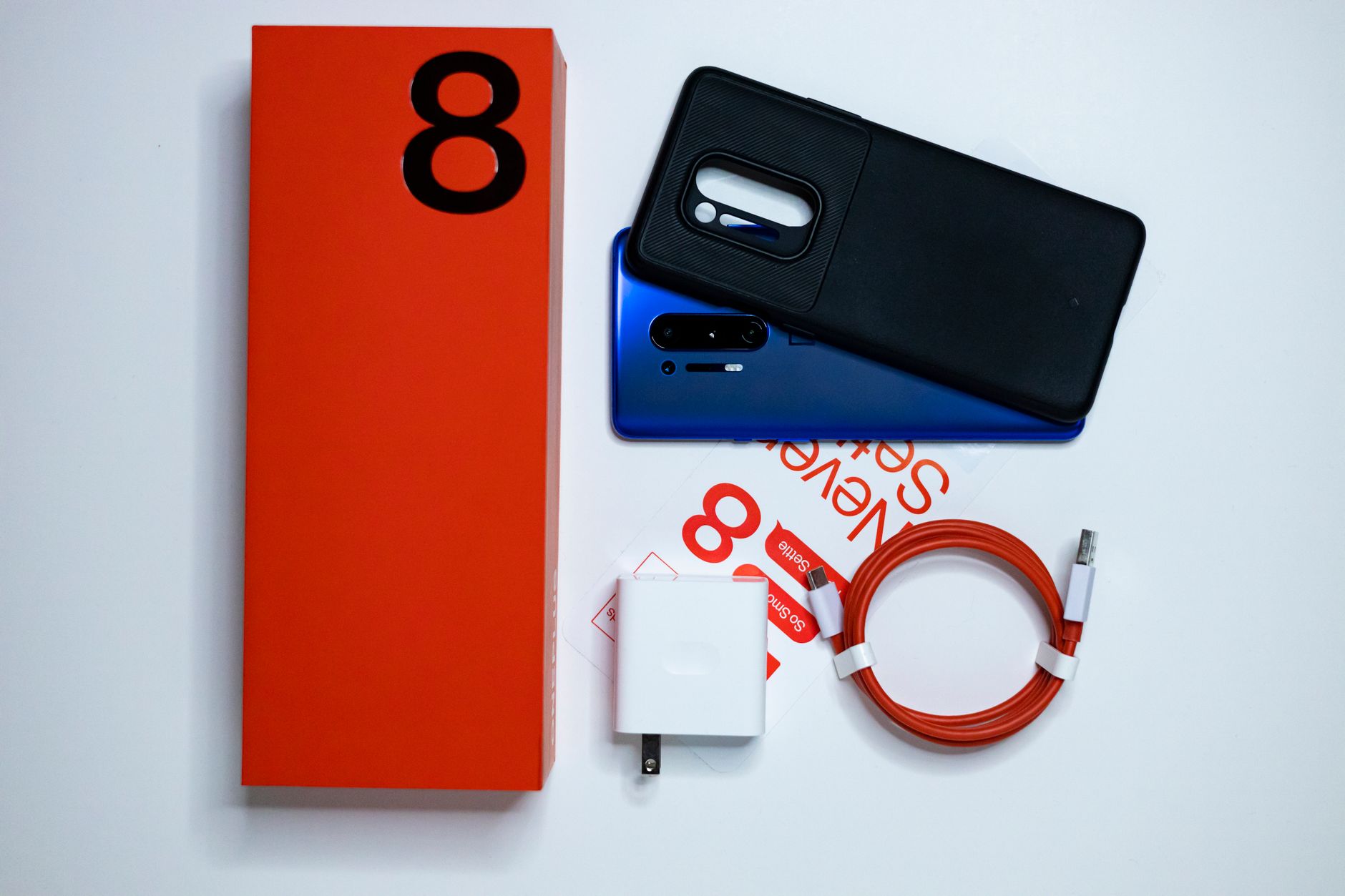
OnePlus burst onto the Indian smartphone scene in 2014 with a revolutionary promise: flagship-level specifications at half the price of premium competitors. The brand's "Never Settle" tagline resonated with tech enthusiasts who wanted Samsung or Apple quality without the hefty price tag. Nearly a decade later, the company has undergone a dramatic transformation that has left many early adopters questioning what happened to the scrappy startup that once challenged industry giants.
The Early Days: Disruption and Hype
OnePlus founded its reputation on an invite-only system that created artificial scarcity and buzz around its OnePlus One device. Priced at approximately Rs 22,000 while offering specifications comparable to phones costing Rs 40,000 or more, the strategy worked brilliantly in India's price-sensitive market.
The company built a passionate community of brand advocates who defended every product decision and eagerly anticipated each launch. Flash sales on Amazon India would sell out within seconds, and owning a OnePlus device became a badge of honor among young professionals and students.
The Gradual Price Creep
The first signs of "settling" appeared when OnePlus began incrementally raising prices with each new model. The OnePlus 2, OnePlus 3, and subsequent models crept upward in price while competitors like Xiaomi and Realme entered the budget flagship space OnePlus had created.
By the time the OnePlus 7 Pro launched at Rs 48,999 in 2019, the brand had crossed into true flagship territory. The OnePlus 9 Pro and OnePlus 10 Pro pushed prices even higher, with top variants exceeding Rs 65,000. The "flagship killer" had become the flagship, competing directly with Samsung's Galaxy S series and even Apple's iPhone.
The Oppo Merger and Identity Crisis
The most significant turning point came with OnePlus's deeper integration with parent company Oppo. In 2021, OnePlus and Oppo announced they would merge their research and development teams, effectively ending OnePlus's independence.
The consequences became immediately visible to users:
- OxygenOS, OnePlus's clean, near-stock Android interface beloved by enthusiasts, began merging with Oppo's ColorOS
- Software updates became slower and buggier
- OnePlus devices started sharing hardware components and design language with Oppo models
- The distinctive OnePlus identity began dissolving into Oppo's broader product lineup
Investment Implications for the Smartphone Sector
From an investment perspective, OnePlus's journey illustrates several important lessons about India's smartphone market. The brand's trajectory shows how difficult it is to maintain a disruptor position in a commoditized industry with razor-thin margins.
BBK Electronics, the Chinese conglomerate that owns both OnePlus and Oppo (along with Vivo and Realme), clearly decided that maintaining separate identities for multiple brands was inefficient. The operational cost savings from shared R&D, manufacturing, and supply chains outweighed the value of OnePlus's distinct brand positioning.
For investors watching the Indian smartphone market, OnePlus's evolution demonstrates why vertical integration and scale matter more than brand loyalty in consumer electronics. Companies like Samsung and Apple, which control both hardware and software ecosystems, maintain better margins and customer retention than brands that compete primarily on specifications and price.
What Remains: The Nord Strategy
OnePlus hasn't entirely abandoned its roots. The Nord series, launched in 2020, attempts to recapture the "value flagship" positioning at price points between Rs 20,000 and Rs 40,000. These devices target the same audience that originally embraced OnePlus, though now they face fierce competition from dozens of Chinese and Indian brands in this crowded segment.
The Nord lineup has achieved modest success, but lacks the cultural cachet and community enthusiasm that surrounded early OnePlus launches. They're good phones that sell reasonably well, but they don't inspire the same passion or generate the same social media buzz.
The Verdict: Why OnePlus Settled
OnePlus ultimately settled because maintaining the "Never Settle" promise proved economically unsustainable. Offering flagship specifications at mid-range prices worked when the company had no legacy to protect and minimal operational overhead. As the company grew, it faced the same margin pressures, supply chain costs, and R&D expenses as every other manufacturer.
Rather than remaining an independent disruptor with uncertain profitability, OnePlus became a premium sub-brand within BBK's portfolio, targeting slightly different market segments than Oppo while sharing most backend infrastructure. For the parent company's investors, this makes perfect business sense. For OnePlus's original fans, it represents the end of an exciting era in Indian smartphone history.