Nelson Mandela once said, "Education is the most powerful weapon which you can use to change the world." These words resonate deeply in India today, where despite significant strides in school enrollment, the education system continues to grapple with challenges of quality, accessibility, and purpose. As India aspires to become a developed nation by 2047, revisiting Mandela's educational philosophy might offer the transformative insights the country needs.
The State of Indian Education Today
India has achieved near-universal enrollment at the primary level, with over 250 million children in schools. However, the Annual Status of Education Report consistently reveals troubling learning outcomes. Many students reach higher grades without mastering basic reading and arithmetic skills. The National Education Policy 2020 acknowledged these gaps, but implementation remains uneven across states.
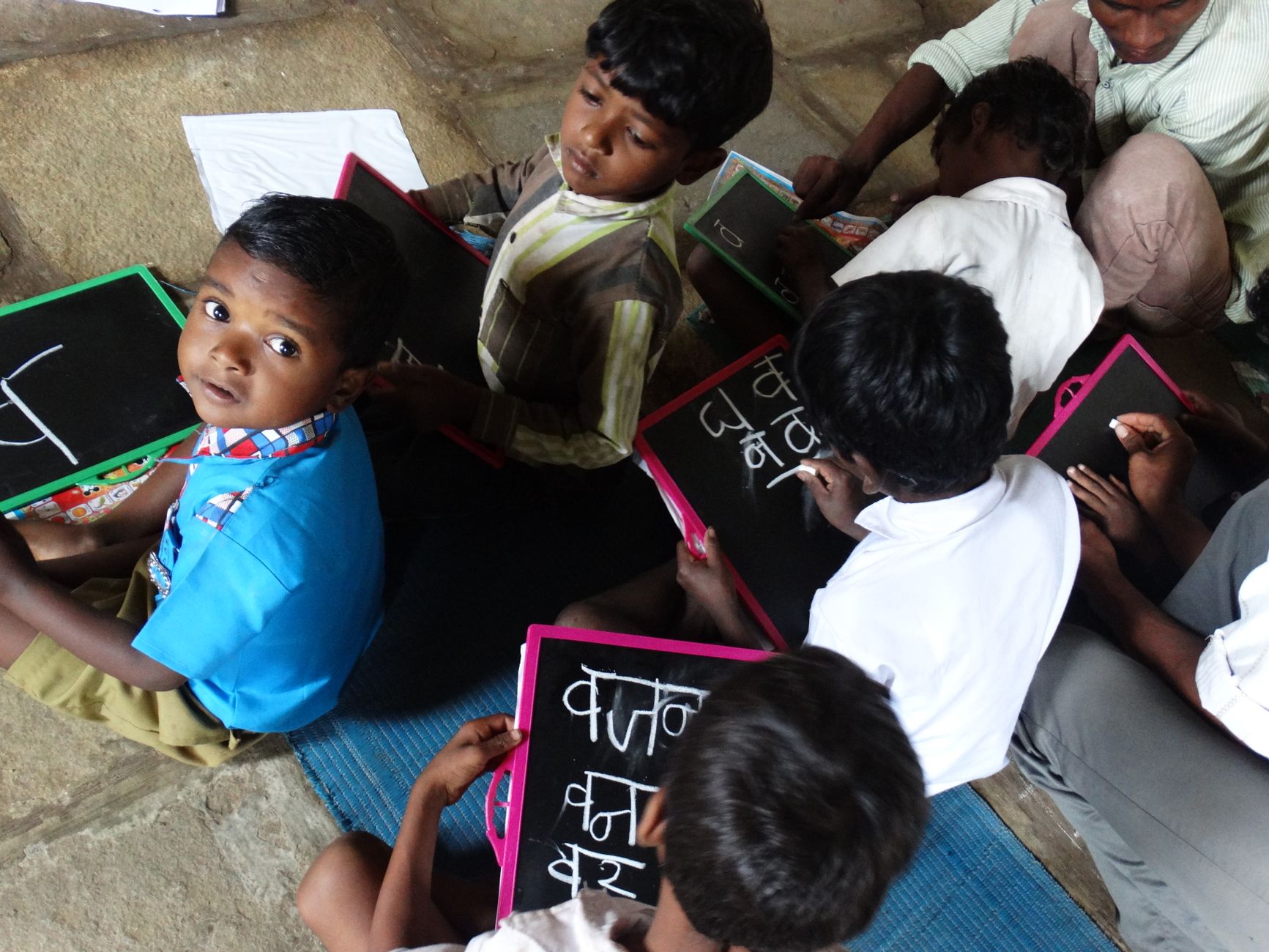
The challenges extend beyond learning outcomes. Educational inequality persists along lines of caste, class, gender, and geography. Rural schools often lack basic infrastructure, qualified teachers, and learning resources. Meanwhile, urban centers witness an increasingly competitive race focused more on examination scores than holistic development.
Mandela's Core Educational Principles
Mandela's approach to education was shaped by his experiences fighting apartheid and his vision for a democratic South Africa. Several key principles defined his educational philosophy that remain relevant globally.
First, he believed education should empower individuals to think critically and question injustice. Rather than rote memorization, learning should develop analytical abilities and moral courage. Second, he emphasized education as a tool for social transformation and equality, not merely individual advancement. Third, Mandela advocated for education that respects diversity while building national unity.
Perhaps most importantly, he understood that quality education requires investment, commitment, and treating teaching as a noble profession worthy of society's best talent.
Lessons for India's Classrooms
India can draw several practical lessons from Mandela's educational wisdom. Moving beyond exam-centric learning to cultivate critical thinking represents a fundamental shift needed in Indian classrooms. The current system often rewards memorization over understanding, compliance over creativity. Students need opportunities to question, debate, and develop independent thought.
Addressing Educational Inequality
Mandela's commitment to equality through education speaks directly to India's challenges. Despite constitutional guarantees, millions of children from marginalized communities receive substandard education. The quality gap between government and private schools continues to widen, creating a two-tier system that perpetuates social divisions.
Following Mandela's example would mean prioritizing resources for the most disadvantaged schools and communities. It would require addressing systemic barriers that prevent Dalit, Adivasi, and minority children from accessing quality education. Inclusive education must move beyond policy documents to classroom reality.
Rethinking Teacher Training and Status
In post-apartheid South Africa, Mandela recognized that transformation required empowering teachers as agents of change. India faces a teacher crisis not just of numbers but of motivation and capacity. Many teachers lack adequate training in pedagogy, subject knowledge, and classroom management.
The profession needs restoration of its social status and dignity. This means competitive salaries, continuous professional development, and creating conditions where talented individuals choose teaching as a first-choice career. Mandela understood that society gets the education system it invests in.
Education for Nation Building
Mandela used education to build a unified nation from deep divisions. India, with its remarkable diversity, faces similar challenges of fostering national identity while respecting pluralism. Education should help students appreciate India's cultural richness, constitutional values, and democratic traditions while developing global citizenship.
This requires curriculum that moves beyond narrow nationalism to embrace critical patriotism—loving one's country while recognizing its challenges and working toward improvement.
The Way Forward
Implementing Mandela's wisdom requires political will, sustained investment, and societal commitment. India spends approximately four percent of GDP on education, below the NEP 2020 target of six percent. Beyond funding, it requires reimagining what education means—shifting from credentialism to capability building, from competition to collaboration, from standardization to celebrating diverse intelligences.
The COVID-19 pandemic exposed and deepened educational inequalities, but also created opportunities for innovation. As India rebuilds and reforms, Mandela's vision offers moral clarity: education must serve human dignity, social justice, and collective progress.
Mandela proved that even the most entrenched systems can transform when guided by clear principles and unwavering commitment. His educational legacy reminds India that improving schools is not merely about economic competitiveness but about shaping the kind of society we wish to become.