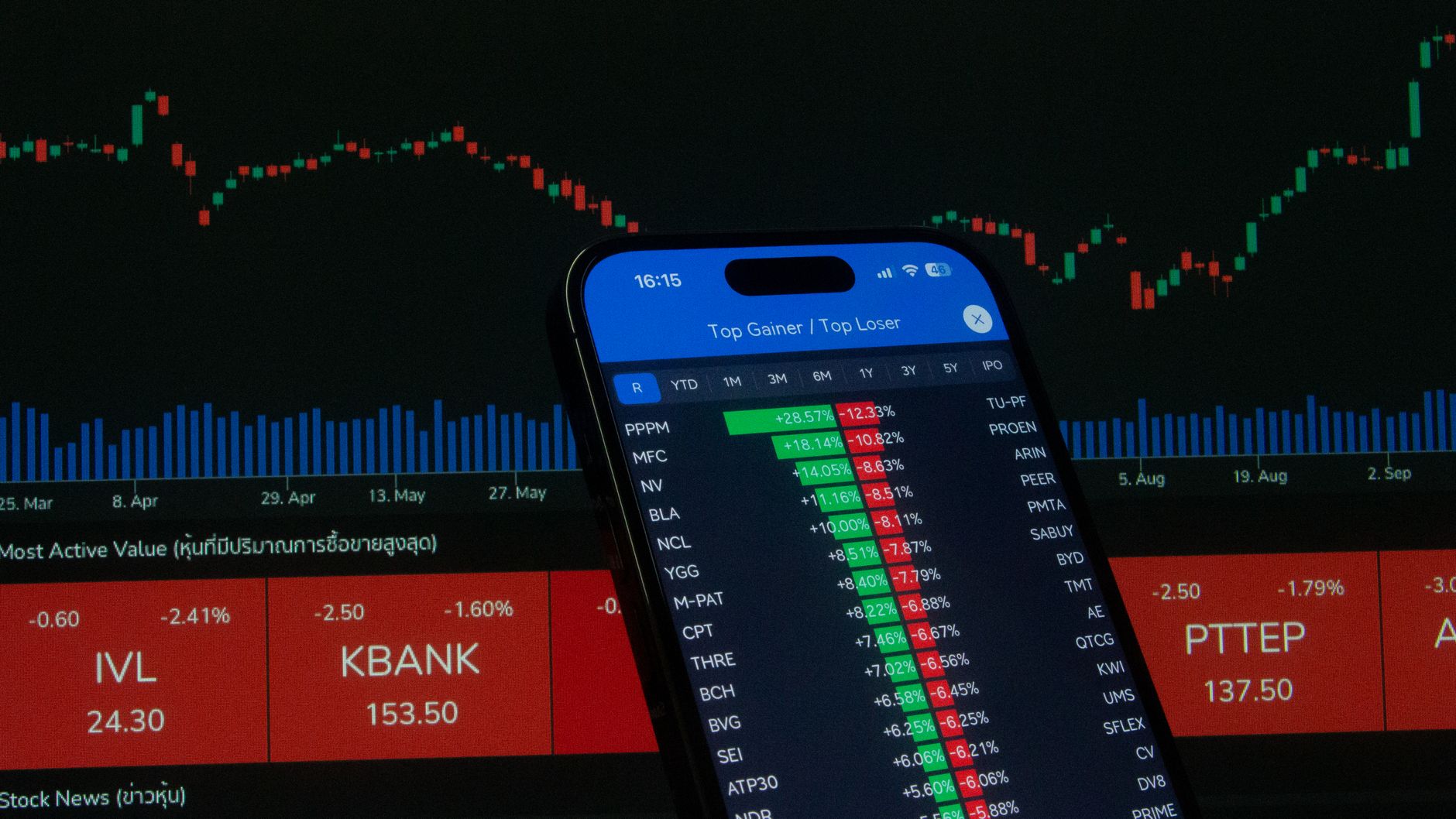
India's investment landscape is witnessing a remarkable transformation as Generation Z investors, particularly from states like Bihar, Rajasthan, and Madhya Pradesh, flood into equity markets. This surge represents not just a demographic shift but a fundamental change in how India saves and invests.
The Gen Z Investment Revolution
Recent data shows that Gen Z investors—those born between 1997 and 2012—now constitute approximately 40% of all new demat accounts opened in India. This is a staggering figure considering this generation only recently entered the workforce. Unlike their predecessors who preferred fixed deposits and gold, these young investors are diving straight into stocks, mutual funds, and even derivatives.
The pandemic accelerated this trend significantly. With increased smartphone penetration, user-friendly trading apps, and abundant time during lockdowns, millions of young Indians took their first steps into the stock market. What started as curiosity has evolved into a sustained investment movement.
Why Tier-2 and Tier-3 Cities Lead the Charge
Bihar, Rajasthan, and Madhya Pradesh emerging as investment hotspots might surprise traditional market watchers, but several factors explain this phenomenon.
- Improved digital infrastructure and affordable internet access have democratized financial information
- Growing disposable incomes among young professionals in smaller cities
- Limited alternative investment avenues compared to metropolitan areas
- Strong peer influence and social media-driven investment communities
- Aspirational mindset to build wealth quickly and achieve financial independence
These states have witnessed rapid expansion of educational institutions and job opportunities, creating a new middle class eager to participate in wealth creation. Additionally, the cost of living in these regions allows for higher savings rates, which young earners channel into equity markets.
The Driving Forces Behind This Trend
Several interrelated factors have created the perfect storm for this investment boom.
Technology has been the great equalizer. Investment platforms offering zero or minimal brokerage fees have eliminated traditional barriers. Educational content through YouTube, Instagram, and dedicated finance apps has made market knowledge accessible to anyone with a smartphone.
The fear of missing out plays a significant role. When friends and family members share stories of portfolio gains, it creates powerful social pressure to participate. Online communities and investment influencers have built massive followings, making stock trading appear both profitable and straightforward.
Financial literacy initiatives, both governmental and private, have also contributed. Young people today are more aware of inflation eroding savings and the importance of equity exposure for long-term wealth building.
The Risk Factor: What If Markets Correct?
While this democratization of investing is largely positive, it carries significant risks, especially given the relatively inexperienced investor base.
Many Gen Z investors entered markets during an unprecedented bull run. They haven't experienced major market corrections or prolonged bear markets. Their strategies often lack risk management fundamentals like diversification, position sizing, and emergency fund maintenance.
A substantial market downturn could have severe consequences. Young investors with limited financial cushions might face forced selling during corrections, locking in losses. Leveraged positions or derivative trading—increasingly popular among new investors—can amplify losses dramatically.
The psychological impact cannot be understated. A generation that associates markets with easy gains might develop lasting risk aversion if they experience significant early losses. This could affect their long-term financial planning and retirement preparedness.
Building Sustainable Investment Habits
For this trend to benefit both individual investors and market stability, several elements are crucial.
Education must extend beyond picking stocks to include risk management, asset allocation, and behavioral finance. Young investors need to understand market cycles, volatility, and the importance of time horizons aligned with financial goals.
Regulatory bodies must balance innovation with investor protection, ensuring platforms provide adequate risk disclosures without overwhelming users. Financial literacy programs should emphasize fundamentals over shortcuts to wealth.
The shift of Gen Z investors into equity markets, particularly from tier-2 and tier-3 cities, represents a positive evolution in India's savings culture. However, sustainable growth requires tempering enthusiasm with education, discipline with diversification, and ambition with realistic expectations.
This article is for general informational purposes only and should not be considered personalized financial advice. Market investments carry inherent risks, and past performance does not guarantee future results. Readers should conduct thorough research and consider consulting qualified financial advisors before making investment decisions.