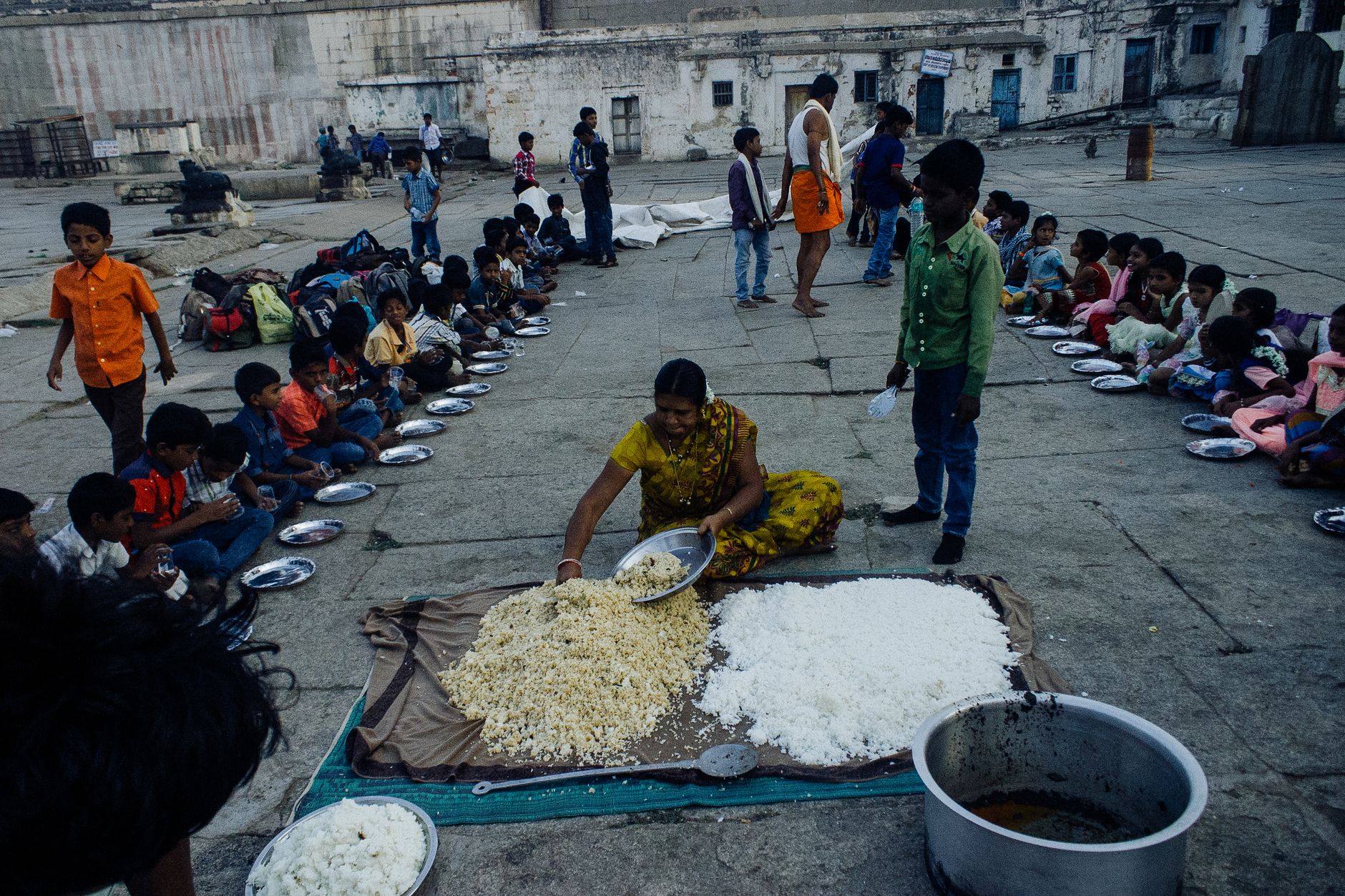
India faces a complex nutrition crisis affecting millions of children, with both undernutrition and rising obesity rates presenting dual challenges for policymakers. A newly launched policy roadmap developed by global health experts aims to tackle these issues through coordinated interventions spanning government programs, food systems, and healthcare delivery.
The Current State of Child Nutrition in India
Despite economic growth over recent decades, India continues to struggle with high rates of child malnutrition. Approximately one-third of children under five years are stunted, meaning their growth has been impaired by chronic undernutrition. Simultaneously, urban areas are witnessing increasing rates of childhood obesity and diet-related diseases, creating a double burden that strains families and health systems alike.
The problem stems from multiple factors including poverty, inadequate access to nutritious foods, poor sanitation, limited health literacy, and gaps in public health infrastructure. Rural and tribal communities face particularly acute challenges, with limited access to diverse food sources and healthcare facilities.
Key Components of the Policy Framework
The expert roadmap addresses child nutrition through several interconnected strategies designed to create lasting systemic change.
- Strengthening supplementary nutrition programs for pregnant women, nursing mothers, and young children
- Improving food fortification standards for staples like rice, wheat, and cooking oil
- Enhancing nutrition education in schools and communities
- Expanding access to clean water and sanitation facilities
- Developing better monitoring systems to track nutritional outcomes
- Creating incentives for production and distribution of nutritious foods
A significant focus involves reforming existing government schemes like the Integrated Child Development Services and Mid-Day Meal programs to ensure better nutritional outcomes rather than simply providing calories. This includes diversifying food baskets, ensuring quality control, and adapting menus to local dietary preferences and agricultural patterns.
Addressing the First 1000 Days
The roadmap places particular emphasis on the critical window from conception through a child's second birthday, often called the first 1000 days. Nutrition during this period has profound lifelong impacts on physical growth, cognitive development, and disease resistance.
Recommendations include expanding antenatal care coverage, promoting exclusive breastfeeding for the first six months, and ensuring timely introduction of diverse complementary foods. Community health workers would receive enhanced training to counsel families on age-appropriate feeding practices and recognize early warning signs of malnutrition.
Tackling the Rising Obesity Crisis
While undernutrition remains the dominant concern, the roadmap also addresses the growing problem of childhood obesity, particularly in middle-class urban populations. Contributing factors include increased consumption of ultra-processed foods, sugary beverages, and sedentary lifestyles.
Proposed interventions include restrictions on marketing unhealthy foods to children, clear front-of-package labeling systems, limits on junk food availability in schools, and promotion of physical activity through sports programs and urban planning that encourages active transportation.
Role of Public-Private Partnerships
The framework recognizes that government efforts alone cannot solve India's nutrition challenges. It calls for structured partnerships with private sector food companies, agricultural producers, technology firms, and non-governmental organizations.
These collaborations could accelerate innovation in affordable nutritious food products, improve supply chain efficiency for perishable foods like fruits and vegetables, and leverage digital technologies for nutrition education and monitoring. However, the roadmap stresses the need for proper governance mechanisms to ensure commercial interests don't undermine public health goals.
Implementation Challenges and Next Steps
Translating policy recommendations into tangible improvements requires substantial investment, political will, and coordination across multiple government departments. Experts estimate that optimal implementation would require increased nutrition-specific spending while also addressing underlying determinants like poverty, education, and water infrastructure.
Success will depend on decentralized approaches that empower state and local governments to adapt strategies to regional contexts, robust monitoring and evaluation systems to track progress, and sustained commitment beyond electoral cycles. International agencies and development partners are expected to provide technical expertise and financial support for pilot programs and capacity building.
The roadmap represents a comprehensive attempt to address one of India's most pressing public health challenges, recognizing that well-nourished children are fundamental to the nation's future prosperity and development.
This article is for general informational purposes only and does not constitute medical or health advice. Parents and caregivers should consult qualified healthcare professionals for specific guidance on children's nutrition and health needs.