Indian patients now have access to an advanced multi-cancer detection technology that uses a simple blood draw to screen for various types of cancer simultaneously. This development marks a significant advancement in India's cancer diagnostic landscape, where early detection remains a critical challenge.
Understanding Multi-Cancer Detection Tests
Multi-cancer early detection tests represent a breakthrough in oncology screening. Unlike traditional methods that test for one specific cancer at a time, these blood-based tests analyze circulating tumor DNA and other biomarkers to identify signals from multiple cancer types in a single sample.
The technology works by detecting fragments of DNA shed by tumors into the bloodstream. Even small, early-stage tumors release these genetic markers, allowing for potential detection before symptoms appear or tumors become visible on imaging scans.
Why This Matters For India
India faces a mounting cancer burden, with estimates suggesting over 1.4 million new cancer cases diagnosed annually. Several factors make multi-cancer detection particularly relevant:
- Late-stage diagnosis remains common, reducing treatment success rates
- Limited awareness about cancer screening in many communities
- Geographic barriers to specialized diagnostic facilities
- High cost and inconvenience of multiple separate screening tests
- Growing cancer incidence across age groups
Early detection dramatically improves survival rates across most cancer types. For instance, five-year survival rates for breast cancer exceed 90% when detected early but drop significantly for late-stage diagnosis.
How Blood-Based Cancer Tests Work
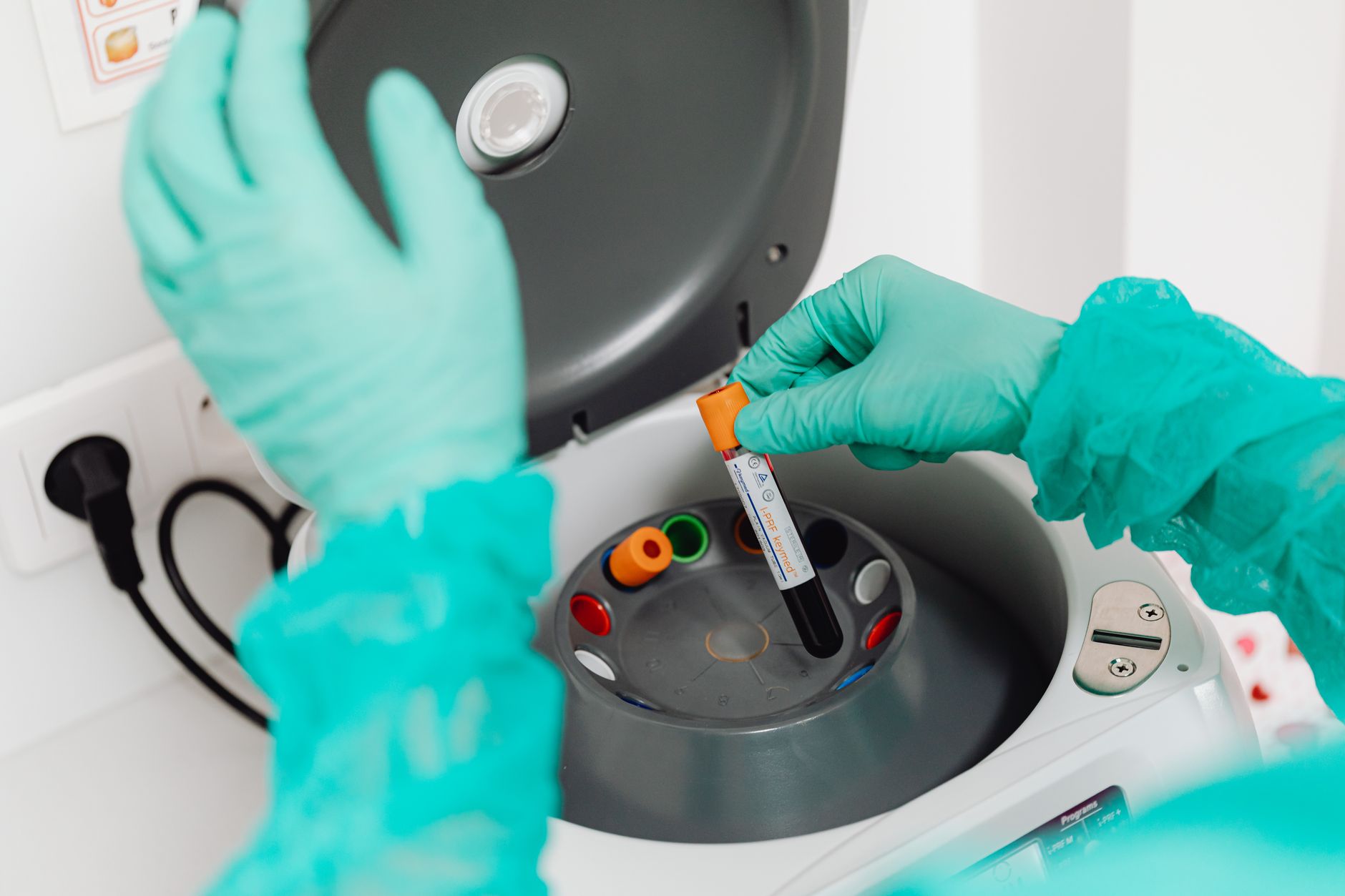
The test typically requires a standard blood sample collected at a diagnostic laboratory. The sample undergoes sophisticated genomic analysis to identify:
Circulating tumor DNA fragments that carry cancer-specific mutations or methylation patterns unique to malignant cells. The test's algorithms analyze thousands of genomic regions to distinguish cancer signals from normal genetic variation.
The technology can often indicate not just the presence of cancer but also the tissue of origin, helping guide further diagnostic workup and imaging to confirm the diagnosis and stage the disease.
Advantages Over Traditional Screening
Conventional cancer screening relies on separate tests for different cancers—mammograms for breast cancer, colonoscopies for colorectal cancer, PSA tests for prostate cancer, and so forth. Multi-cancer detection offers several potential benefits:
- Single blood draw screens for numerous cancer types simultaneously
- Less invasive than procedures like colonoscopy or tissue biopsy
- May detect cancers without established screening protocols
- Potentially identifies cancer at earlier stages
- More convenient, encouraging better screening compliance
Limitations and Considerations
While promising, these tests have important limitations that patients should understand. They are not perfect and work best as part of comprehensive healthcare:
No screening test catches 100% of cancers, and false negatives can occur. Similarly, false positives may lead to anxiety and unnecessary follow-up procedures. The tests typically work better for some cancer types than others, with varying sensitivity across different malignancies.
These tests complement rather than replace established screening methods like mammograms, colonoscopies, and cervical screening, which remain gold standards for certain cancers.
Cost and Accessibility Factors
Advanced diagnostic technologies often face accessibility challenges in price-sensitive markets. The cost of multi-cancer detection tests can be substantial, potentially limiting availability to urban centers and higher-income patients initially.
However, partnerships between established Indian diagnostic chains like Dr Dangs Lab and global innovators may help expand access over time through economies of scale and competitive pricing.
The Future of Cancer Screening
This collaboration represents part of a broader shift toward precision medicine and preventive healthcare. As genomic technologies become more sophisticated and affordable, comprehensive cancer screening may become standard practice rather than exception.
Integration with artificial intelligence and expanding databases of cancer genomic signatures will likely improve test accuracy. Future iterations may detect cancers at even earlier stages and with greater precision regarding tumor location and characteristics.
For India's healthcare system, such technologies offer potential to address the cancer burden more effectively, shifting focus from late-stage treatment to early detection and prevention.
This article provides general information about multi-cancer detection technology and should not substitute professional medical advice. Individuals should consult qualified healthcare providers regarding appropriate cancer screening based on personal and family medical history, risk factors, and current clinical guidelines.