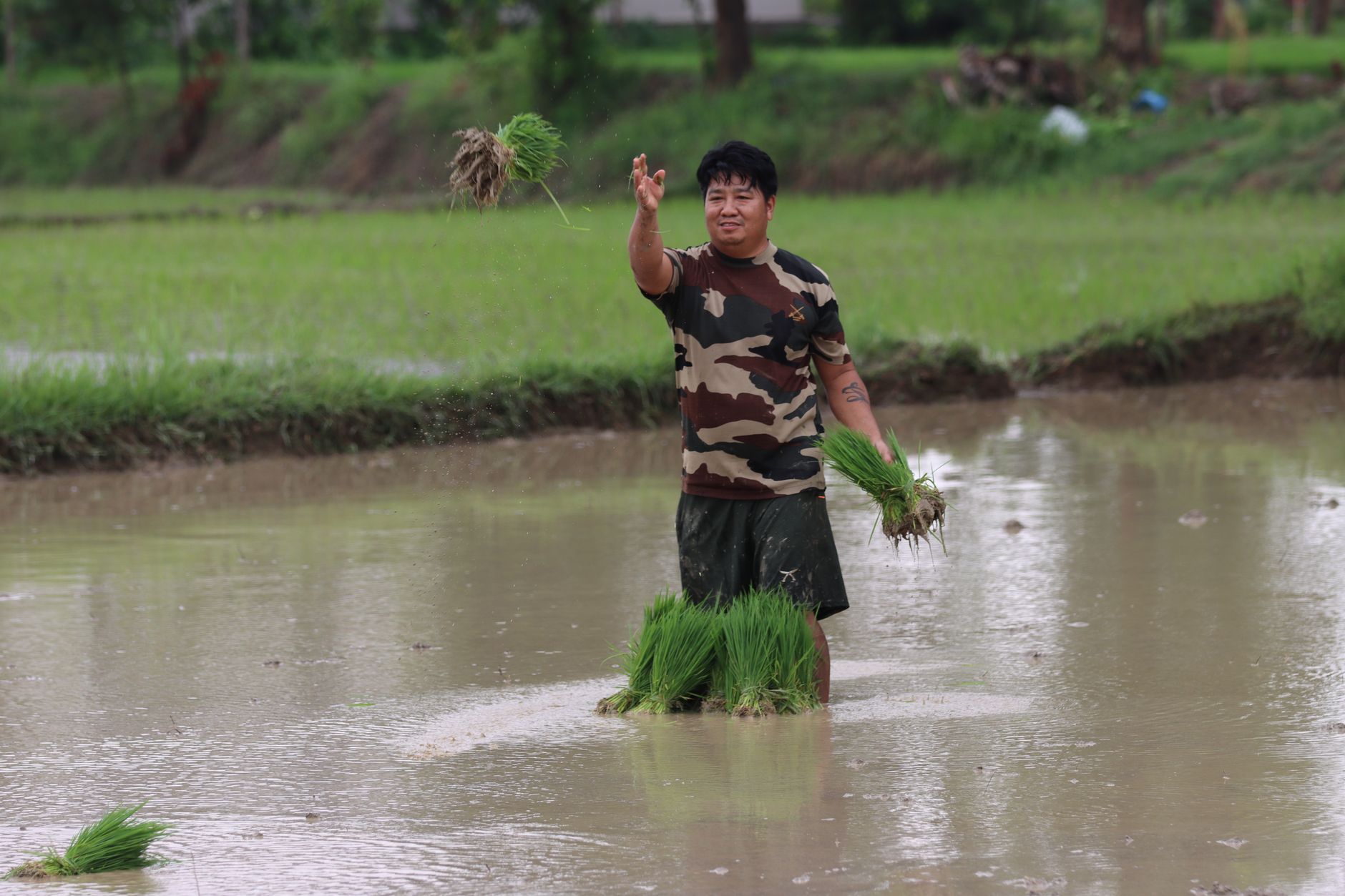
The Indian monsoon, once predictable enough to set calendars by, has become increasingly erratic. Delayed arrivals, extended dry spells, and sudden floods have turned farming into a high-stakes gamble. As millions of farmers face mounting losses, a critical question emerges: can advanced seed technology provide a reliable solution to monsoon uncertainty?
The Growing Crisis of Monsoon Unpredictability
India's agricultural sector employs nearly half the country's workforce and contributes approximately 18 percent to the GDP. Yet this massive sector remains heavily dependent on monsoon rains, with roughly 52 percent of cultivated land relying on rainfall rather than irrigation. When monsoons fail or arrive late, the economic ripple effects extend far beyond farm gates, affecting food prices, rural incomes, and overall economic growth.
Recent years have witnessed alarming patterns. Some regions experience delayed monsoon onset by weeks, forcing farmers to miss optimal sowing windows. Others face mid-season dry spells that stress crops during critical growth phases. These disruptions have made traditional farming practices increasingly untenable, creating urgent demand for adaptive solutions.
The Promise of Improved Seed Technology
Agricultural biotechnology companies and research institutions have developed seed varieties engineered to withstand monsoon variability. These improved seeds offer several advantages over traditional varieties:
- Drought-tolerant varieties that can survive extended dry periods with minimal irrigation
- Early-maturing crops that complete their lifecycle before late-season moisture stress
- Flood-resistant varieties that can withstand waterlogging better than conventional seeds
- Climate-resilient hybrids that maintain yields across varying rainfall patterns
These technologies represent decades of research combining traditional breeding with modern genetic techniques. Some varieties can reduce water requirements by 20-30 percent while maintaining comparable yields, making them particularly valuable when monsoons underperform.
Investment Opportunities in Agricultural Technology
The intersection of farmer needs and seed technology has created substantial investment opportunities. Agricultural technology companies, particularly those focused on seed development, have attracted significant capital from venture funds and institutional investors. The Indian seed market, valued at over 15,000 crores, continues growing as farmers increasingly adopt hybrid and genetically modified varieties.
Investors are particularly interested in companies that combine seed technology with digital agriculture platforms. These integrated approaches use weather forecasting, soil analysis, and crop advisory services to help farmers select appropriate seed varieties and optimize planting schedules based on monsoon predictions.
Public sector involvement remains significant, with government initiatives supporting seed development and distribution. The National Seed Policy and various agricultural research programs provide both direct funding and market support for seed innovation. This government backing reduces investment risk while expanding market access for successful technologies.
Challenges Beyond the Seed
However, improved seeds alone cannot solve the monsoon problem entirely. Several constraints limit their effectiveness:
- High costs that make premium seeds unaffordable for small and marginal farmers
- Limited awareness about proper seed selection and planting techniques
- Inadequate irrigation infrastructure that prevents optimal seed performance
- Soil health degradation that reduces the effectiveness of even the best varieties
- Supply chain inefficiencies that prevent timely seed availability during narrow planting windows
Additionally, some farming communities resist adopting new seed technologies due to concerns about cost, debt, or preference for traditional varieties whose seeds can be saved and replanted.
The Holistic Investment Thesis
Forward-thinking investors recognize that addressing India's agricultural challenges requires comprehensive solutions. Successful agricultural technology investments increasingly target integrated platforms that combine improved seeds with complementary services such as crop insurance, credit access, and market linkages.
The most promising investment opportunities focus on companies that acknowledge seed technology as one component within a broader agricultural transformation. This includes investments in irrigation technology, soil health management, weather forecasting systems, and farmer education platforms that help maximize the benefits of improved seeds.
Looking Ahead
Better seeds represent a crucial tool for managing monsoon uncertainty, but they function best within an ecosystem of supportive services and infrastructure. For farmers, the decision to adopt improved varieties must consider local conditions, economic constraints, and available support systems. For investors, the agricultural technology sector offers growth potential, provided investments target sustainable, farmer-centric solutions rather than technology alone.
This article provides general information only and should not be considered investment advice. Readers should conduct their own research and consult with qualified financial advisors before making investment decisions in agricultural technology or any other sector.