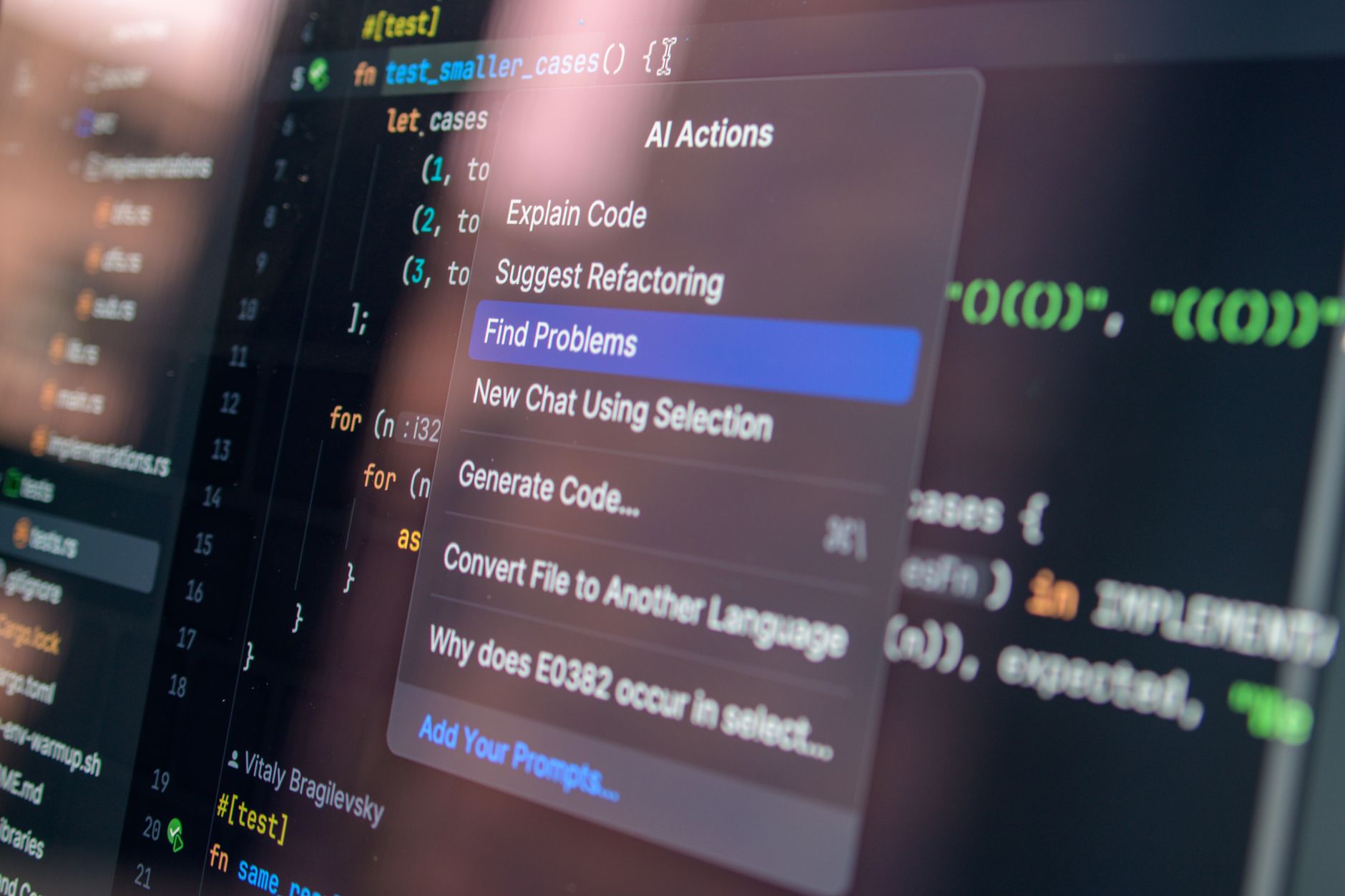
India's banking industry, long considered a bastion of stable employment, is experiencing a fundamental shift in how it identifies, recruits, and develops talent. Artificial intelligence is not merely replacing routine tasks—it's creating an entirely new paradigm for what banking careers look like in the 21st century.
The Changing Face of Bank Recruitment
Traditional bank hiring in India followed predictable patterns: mass recruitment drives for clerical positions, promotional pathways through seniority, and emphasis on foundational banking knowledge. Today's landscape looks markedly different. Banks are deploying AI-powered recruitment platforms that screen thousands of applications within minutes, identify skill gaps, and even conduct preliminary video interviews using natural language processing.
Major public and private sector banks have begun partnering with technology firms to streamline their hiring processes. These systems analyze candidate responses, assess communication skills, and evaluate problem-solving abilities without human intervention in the initial stages. This shift allows HR teams to focus on cultural fit and strategic roles rather than administrative screening.
New Skills for a New Era
The skill sets banks seek have evolved dramatically. While traditional banking knowledge remains valuable, employers now prioritize digital literacy, data interpretation, and customer experience design. Technical roles that barely existed a decade ago—such as AI trainers, chatbot managers, and blockchain specialists—are becoming standard positions in large banking institutions.
Banks are increasingly looking for candidates with hybrid capabilities. A relationship manager today needs not only interpersonal skills but also proficiency in CRM software, data analytics tools, and digital communication platforms. Credit analysts must understand machine learning models that assess loan risk. Even branch managers require familiarity with automated systems that handle routine transactions.
Upskilling and Reskilling Initiatives
Recognizing that wholesale replacement of existing staff is neither practical nor desirable, Indian banks have invested heavily in reskilling programs. Many institutions have established internal academies focused on digital transformation, offering courses in Python programming, data science, and AI fundamentals to existing employees.
These initiatives serve dual purposes: maintaining employee morale while building internal capabilities. A cashier trained in digital customer service can transition to roles supporting mobile banking customers. Back-office staff learning data analytics can move into credit risk assessment positions. This approach preserves institutional knowledge while building tech-forward capabilities.
The Reality Beyond the Headlines
While concerns about job losses dominate public discourse, the reality is more nuanced. Yes, certain repetitive roles—particularly in data entry, basic customer service, and transaction processing—have diminished. However, banks are simultaneously creating positions that didn't exist previously.
Customer experience specialists who optimize digital journeys, fraud detection analysts who work alongside AI systems, and regulatory technology experts who ensure compliance in automated environments represent growth areas. The Reserve Bank of India's push toward financial inclusion has also created demand for professionals who can bridge technology and accessibility.
Regional and Demographic Impacts
The AI transformation isn't uniform across India's banking sector. Metropolitan banks and private sector institutions are leading adoption, while regional rural banks and cooperative banks move more gradually. This creates a two-tier employment market where tech-savvy candidates gravitate toward urban centers and digital-first institutions.
Younger job seekers, particularly those with engineering or computer science backgrounds, find expanded opportunities in banking technology roles. However, mid-career professionals without technical training face challenges adapting to new requirements, highlighting the importance of accessible reskilling programs.
What Job Seekers Should Know
Aspiring banking professionals should cultivate technical fluency alongside domain knowledge. Familiarity with financial technologies, understanding of data privacy regulations, and adaptability to new tools are becoming baseline expectations. Soft skills—critical thinking, complex problem-solving, and emotional intelligence—matter more than ever, precisely because these are areas where humans retain advantages over AI.
Continuous learning is no longer optional. The half-life of technical skills continues shrinking, making ongoing education essential for career longevity. Fortunately, online learning platforms, industry certifications, and bank-sponsored training programs make skill development more accessible than ever.
Looking Ahead
India's banking sector will likely see continued AI integration, but the most successful institutions will balance automation with human judgment. The future belongs to professionals who view AI as a collaborative tool rather than a threat—those who can leverage technology to deliver superior customer outcomes while exercising the judgment and empathy that machines cannot replicate.
This article is for general informational purposes only and does not constitute career advice. Individuals should assess their personal circumstances and consult with career counselors or industry professionals when making employment decisions.