The workplace landscape in India is undergoing a fundamental transformation as artificial intelligence becomes increasingly integrated into business operations. Recent analysis suggests that while a significant portion of work tasks will be exposed to AI technologies, the overall impact may be more nuanced than the simple job-loss narrative often portrayed in headlines.
Understanding the AI Exposure Numbers
When we talk about 17% of work being exposed to AI, this doesn't necessarily mean those jobs will disappear. Exposure refers to tasks that could potentially be automated or augmented by artificial intelligence. This includes routine data entry, basic customer service interactions, simple analytical tasks, and repetitive administrative functions. However, exposure and replacement are two different concepts entirely.
The prediction that 48% of jobs will benefit from AI suggests a more optimistic scenario where workers use AI as a tool to enhance productivity rather than being replaced by it. Think of how calculators didn't eliminate accountants but made them more efficient, or how email didn't end communication jobs but transformed how we work.
Which Sectors Face the Most Change
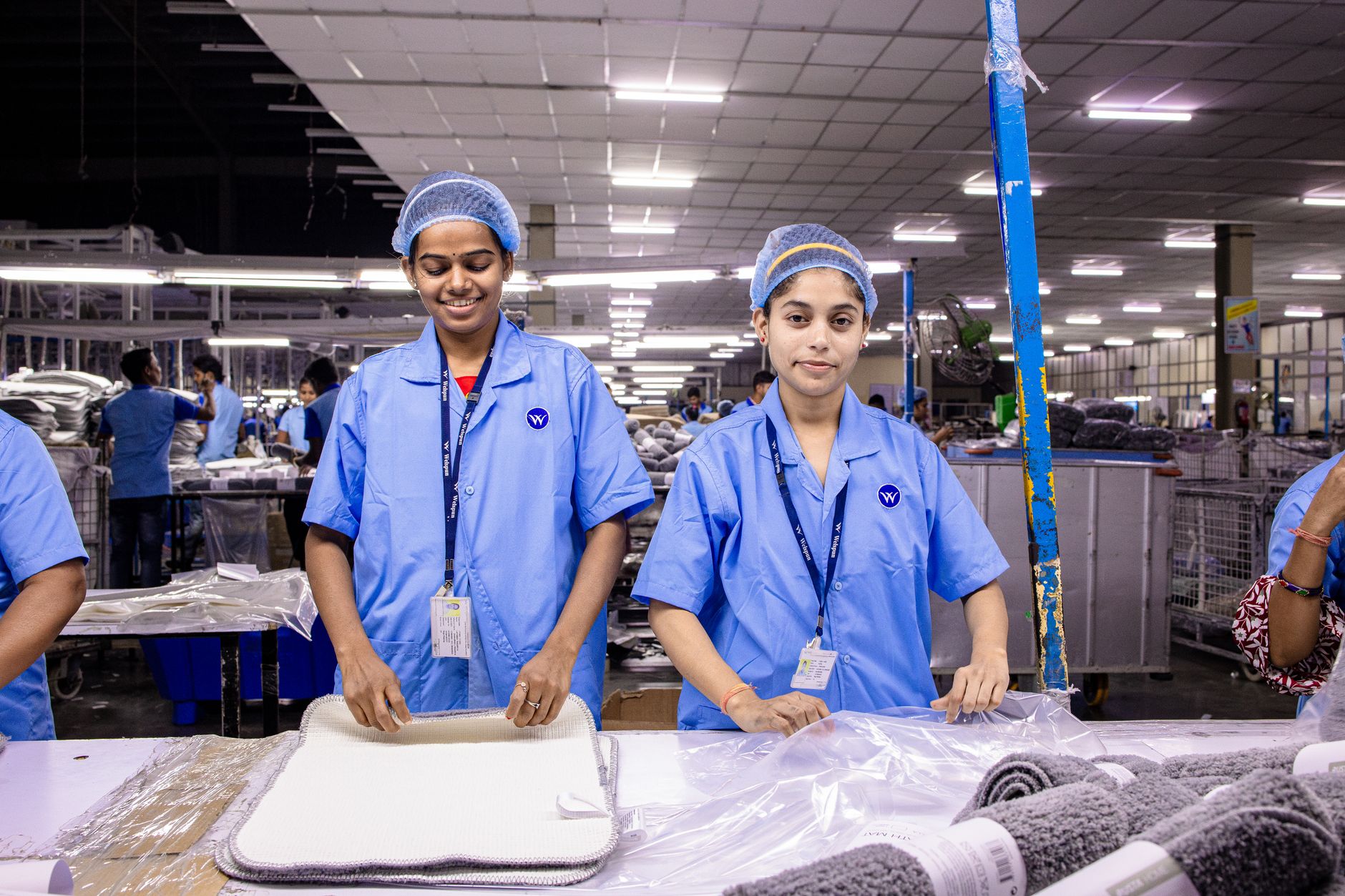
Several industries in India are experiencing rapid AI integration. Business process outsourcing, IT services, customer support, content creation, and financial services are seeing significant technological shifts. Manufacturing facilities are adopting smart automation, while healthcare providers are implementing AI diagnostic tools.
The key difference lies in how AI is deployed. In many cases, AI handles routine components while human workers focus on complex problem-solving, relationship management, and strategic decision-making that requires emotional intelligence and cultural understanding.
Financial Planning in an AI-Influenced Economy
For individuals concerned about their financial security, several practical steps can help navigate this transition:
- Build an emergency fund covering 6-12 months of expenses to provide cushion during career transitions
- Invest in skill development, particularly in areas where human judgment remains irreplaceable
- Diversify income sources by exploring side ventures or passive income opportunities
- Consider upskilling in AI-adjacent fields rather than competing against automation
- Stay informed about industry trends affecting your specific sector
The Opportunity Perspective
The 48% benefit projection highlights genuine opportunities emerging from AI adoption. Indian professionals who embrace AI tools can potentially increase their earning capacity by becoming more productive. A content creator using AI writing assistants might produce more work. An analyst using AI data tools might serve more clients. A designer leveraging AI image generation might explore more creative options faster.
Early adopters of AI skills often command premium salaries because they bridge the gap between technology and practical application. Learning to manage, prompt, audit, and improve AI systems represents a genuine career opportunity.
Preparing for Hybrid Work Environments
Future workplaces will likely feature human-AI collaboration as the standard model. This means developing complementary skills becomes essential. Creativity, emotional intelligence, complex communication, ethical reasoning, and strategic thinking remain difficult for AI to replicate.
Focus on developing skills in areas where humans maintain clear advantages. Leadership, negotiation, cultural sensitivity, innovative thinking, and building genuine relationships will continue to hold value regardless of technological advancement.
What This Means for Different Career Stages
Early-career professionals should consider AI literacy as essential as computer literacy was for previous generations. Mid-career workers might need to reassess their skill portfolios and identify areas for strategic upskilling. Senior professionals can leverage experience and judgment while adopting AI tools to enhance efficiency.
Students entering the workforce should choose educational paths that emphasize critical thinking and adaptability over memorization and routine task execution.
The Income Inequality Question
One concern with AI integration is potential income inequality. Those who successfully adapt to AI-enhanced work environments may see income growth, while those in purely routine roles may face wage pressure. This makes proactive career management and continuous learning more important than ever for maintaining financial stability.
Geographic location within India also matters. Metro areas with strong tech ecosystems may offer more AI-adjacent opportunities than smaller towns, though remote work capabilities could help balance this disparity.
Taking Action Today
Rather than viewing AI as a threat, consider it an inevitable workplace evolution requiring adaptation. Assess which of your current job tasks could be augmented by AI and learn those tools. Identify uniquely human skills you possess and find ways to strengthen them. Stay curious about technological changes in your industry.
The 48% benefit projection suggests that more Indian workers will gain from AI than lose to it, but individual outcomes will depend largely on how proactively people prepare for this shift.